Is a Brush Pen Better Than a Marker for Modern Lettering and Sketching?
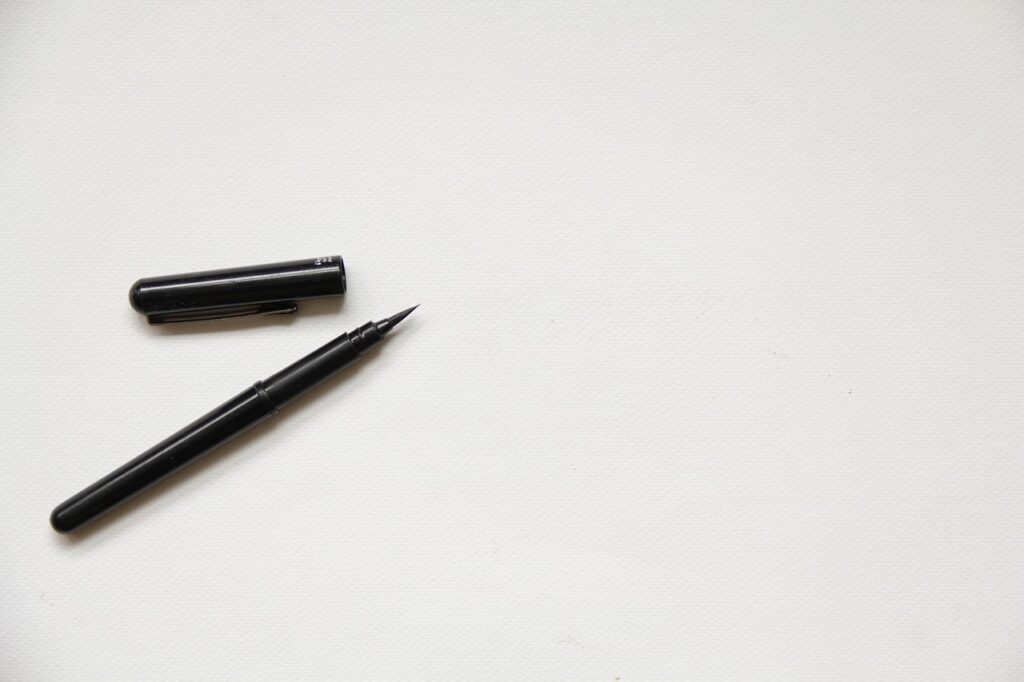
A brush pen can feel like a tiny paintbrush packed inside a pen body. You get thick downstrokes, thin upstrokes, quick color, and less setup than bottled ink or watercolor. If you are comparing tools for lettering, planners, classroom art, retail stock, or gift sets, the right choice starts with the tip, ink, and paper. For related writing tools, you can browse the Pen collection before building a full set.
Market interest is not just a craft trend. Grand View Research reported in its Writing Instruments Market report that the global writing instruments market was estimated at USD 19.2 billion in 2025, with pens holding 36.3% of product share that year. That report does not split brush pens into a separate public category, so any claim about exact brush pen market size should be treated carefully. The safer conclusion is simple: pens remain a large, active category, and brush-style tools sit inside a wider demand for creative, tactile writing.

What Makes a Brush Pen Different from a Regular Marker?
A regular marker usually gives one main line width. A brush pen is built for movement. The tip bends, springs back, and changes line weight as your hand pressure changes. That one detail affects lettering, sketching, coloring, and even how tired your hand feels after a long page.
Flexible Tip Shape
The tip is the biggest difference. A brush tip may be made from felt, nylon fiber, or individual synthetic bristles. Felt tips often feel firm and predictable, which helps beginners. Bristle tips feel closer to a real brush, so they can make lively strokes, dry-brush texture, and soft curves. For small planner lettering, a firm small tip is easier. For large names on cards or posters, a longer soft tip has more drama.
Ink Flow and Line Variation
With a brush pen, ink flow should keep up with broad strokes without flooding thin lines. Good flow gives clean contrast between a heavy downstroke and a light upstroke. Too little ink makes streaks. Too much ink can bleed through thin notebook paper. That is why a pen that looks beautiful on marker paper may act messy in a school notebook. Paper choice matters more than many buyers expect.
Hand Feel on Paper
A marker often feels blunt. A brush pen feels more responsive, almost springy. That response lets you build rhythm, especially in brush lettering. You press, release, turn the pen slightly, then press again. It can feel odd for the first ten minutes. After that, the hand starts to learn. Not in a perfect way, just enough to make the strokes look less stiff.
Which Brush Pen Tip Should You Choose?
The best tip depends on the job, not the prettiest package. A student, a wedding calligrapher, and a warehouse buyer ordering school supplies may all need different tips. Start with control, then think about color range and price.
Soft Tips for Expressive Strokes
Soft brush tips are good for bold lettering, illustration, and modern calligraphy. They bend more, so they create wider downstrokes with less effort. The tradeoff is control. A beginner may press too hard and get shaky shapes or frayed tips. If you are choosing for adult hobby kits, soft tips feel premium. For young children or busy classrooms, they may wear too fast.
Firm Tips for Cleaner Control
Firm tips are usually better for beginners, notes, small labels, and bullet journals. They do not bend as much, so the line changes are smaller but easier to manage. A firm tip also helps when writing on small sticky notes, calendar boxes, and flashcards. It is not as showy as a soft brush, but it saves frustration. Sometimes that matters more than a fancy stroke sample.
Dual Tips for Faster Layouts
Dual-tip brush pens usually pair a brush tip with a fine point or bullet tip. That makes them useful for study notes, craft labels, and layout work. You can write a heading with the brush side, then add small dates or borders with the fine side. For retail packs, dual tips also feel like better value because one pen handles more tasks. Check caps carefully, though. Loose caps dry tips faster.
How Do You Pick Ink and Paper That Behave Well Together?
Ink and paper can make the same pen feel wonderful or cheap. Before a large order, test the pen on the paper your customer will actually use. A smooth coated practice pad is forgiving. A thin office pad is not. The left edge of a planner page can be the place where feathering suddenly shows up.
Water-Based Ink for Everyday Pages
Most brush pens for lettering and school use are water-based. They are easy to clean, often low odor, and good for blending. They also suit planners and classrooms better than strong solvent markers. The downside is water reaction. If you add watercolor, glue, or a wet highlighter over the top, lines may smear. For note-taking, let the ink dry before closing the book.
Pigment Ink for Longer-Lasting Work
Pigment ink can offer better fade resistance than basic dye ink, though performance depends on the formula. It is useful for art prints, certificates, archival-style notes, and black linework under light washes. Do not assume every black brush pen is pigment ink. Product labels should say it clearly. If no reliable public test data is available for a specific pen, avoid making permanent or archival claims.
Smooth Paper to Cut Feathering
Smooth, heavier paper reduces feathering and tip wear. For practice, many lettering users like marker paper or smooth 100 gsm to 160 gsm paper. Thin copy paper can still work for quick drafts, but it may cause bleed-through. Rough paper is worse for brush tips because it grabs fibers and slowly frays the point. That damage is hard to fix once the tip loses its sharp shape.
Is a Brush Pen Better for Lettering, Drawing, or Notes?
A brush pen is not better at everything. It is better when line emotion matters. If the task needs one exact technical line, a fineliner may win. If the task needs a lively heading, shaded sketch, or color-coded page, the brush pen earns its space in the pencil case.
Lettering Needs Pressure Control
Brush lettering depends on contrast. Press down for thick strokes. Lift gently for thin strokes. This basic movement can make a birthday card look handmade in a good way, not messy. Beginners should start with short words, not full quotes. A simple word like love or thanks gives enough curves to practice without turning the page into a chore.
Sketching Benefits from Fast Lines
For sketching, a brush pen gives speed. You can block a shadow, pull a thin contour line, then fill a dark corner without switching tools. Black brush pens are common in comic-style drawing because they can move from hairline to heavy black quickly. Colored brush pens help with loose florals, travel notes, and product mockups. The result is less mechanical than a marker line. See also: Gift Guide.
Notes Need Clear Color Coding
In notes, brush pens work best for headings, key terms, and color blocks. They are not always ideal for long paragraphs because the tip is wider and more flexible. A practical study set might include five to twelve colors, not fifty. Too many colors slow the page down. A small, balanced palette is easier to carry and easier to use during a real class or meeting.
What Should Buyers Check Before Ordering Brush Pens in Bulk?
Bulk buying needs a different checklist. Color is important, but safety labels, packaging, customs naming, and shelf life matter just as much. A brush pen that writes well can still cause trouble if the carton arrives with crushed tips or unclear product details.
Safety Labels for School and Craft Use
For the United States, art materials often reference ASTM D-4236. The U.S. Consumer Product Safety Commission states in its art materials guidance that a statement such as “Conforms to ASTM D-4236” should be placed on the product or packaging when practicable. ASTM describes D-4236 as a practice for labeling art materials for chronic health hazards. For children, the Art & Creative Materials Institute says its AP Seal identifies products reviewed by a toxicologist and found to contain no materials in enough quantity to be toxic or injurious, including to children.
Packaging That Protects Tips
Brush tips are easy to damage in transit. Look for tight caps, inner trays, and cartons that stop pens from rattling. For retail, caps should snap firmly but not require too much force. For online sales, a clear color chart on the pack helps reduce returns. If a set includes skin tones, grays, or pastels, printed names or numbers make repeat buying easier.
Trade Codes and Clear Product Names
For import paperwork, the product name should match the real item. The U.S. International Trade Commission Harmonized Tariff Schedule in 2026 lists heading 9608 for writing instruments, including felt tipped and other porous-tipped pens and markers. It also lists 9608.20.00.00 for felt tipped and other porous-tipped pens and markers. This is not a final customs ruling for every brush pen, but it shows why clear descriptions help brokers classify goods faster.
How Can You Make a Brush Pen Last Longer?
A brush pen is a consumable tool, yet daily habits change its life. Storage, pressure, and paper surface decide whether the tip stays sharp or turns fuzzy after a week. Better habits also keep color sets consistent, which matters when you return to the same planner or art project later.
Store Pens Flat or Tip-Ready
Many brush pens store well horizontally because ink stays balanced between tips, especially dual-tip styles. Some single-tip pens can sit tip-down if the maker suggests it. Avoid hot windowsills and car dashboards. Heat can expand ink, loosen caps, and shorten shelf life. For shops, rotate stock so older cartons sell first.
Match Pressure to Tip Softness
Heavy pressure is the fastest way to ruin a brush tip. Let the flexible tip do the work. If you need a very thick stroke, choose a larger brush pen rather than crushing a small one. For practice sheets, slow down on curves and lift earlier than feels natural. The stroke may look too thin at first, but the tip will last longer.
Clean Habits After Heavy Use
Cap the pen right after use. Wipe ink from the grip if it builds up near the tip. Do not dip a regular brush pen into water unless the product is designed for that. If colors are blended tip-to-tip, scribble on scrap paper until the original color returns. A small scrap card in the pencil case is a boring item, but it saves many tips.
FAQ
Q1: Is a Brush Pen Good for Beginners? A: Yes, especially a small or firm-tip brush pen. It gives enough line variation to learn pressure control without making every stroke too wild.
Q2: Does a Brush Pen Bleed Through Paper? A: It can. Bleed-through depends on ink, paper thickness, and how slowly you write. Test one corner first, especially in planners and school notebooks.
Q3: What Is the Best Brush Pen for Calligraphy? A: For beginners, a firm small tip is often best. For larger modern calligraphy, a softer and longer tip gives stronger thick-to-thin contrast.
Q4: Are Brush Pens Safe for Children? A: Check the label. For U.S. craft and school use, look for ASTM D-4236 conformance and, when suitable, the ACMI AP Seal. Age guidance still matters.
Q5: Can You Use a Brush Pen for Daily Notes? A: Yes, but use it for headings, highlights, icons, and color blocks. For long text, pair it with a gel pen, fineliner, or ballpoint pen.