Which Pen Is Best for Smooth Writing and Everyday Work?
A Pen looks simple until you need one that writes smoothly, dries fast, feels good after two pages, and does not leak in a bag. For school, office, warehouse, reception desk, event giveaway, or retail display, the right choice can save small daily trouble. You can explore more stationery and writing ideas at UP Yueping.
This guide helps you choose a pen with a buyer’s eye. It covers ink types, tip sizes, comfort, paper match, safety, sustainability, and bulk testing. The goal is practical: pick a pen people will actually use, not one that sits in a drawer with a cracked cap and a mystery stain.
Why Does the Right Pen Still Matter?
Digital tools are everywhere, yet pens keep showing up in classrooms, clinics, offices, retail counters, banks, logistics desks, and trade show bags. A pen is fast. It needs no login. It works during a power cut. That plain usefulness is why writing instruments still have a real market.
Handwriting Still Supports Learning
For students and note takers, a pen can change how notes are made. A 2014 study in Psychological Science found that laptop note takers often wrote more words but tended to copy speech more directly, while longhand note taking pushed people to process ideas in their own words. That does not mean every typed note is poor, but it does explain why many teachers and students still trust pen-and-paper study sessions. (psychologicalscience.org)
Daily Work Still Needs Quick Marks
In many workplaces, you still need a quick signature, a box checked on a packing list, a price written on a sample tag, or a name added to a visitor badge. A good office pen should start cleanly, write at odd angles, survive a shared cup, and stay readable after handling. It is a small tool, but it touches many tasks.
Global Demand Remains Strong
Demand is not just habit. Fortune Business Insights reported in 2026 that the global writing instrument market was valued at USD 47.64 billion in 2025 and was projected to reach USD 50.1 billion in 2026. The same report projected USD 77.97 billion by 2034, with pens, pencils, coloring instruments, and highlighters included in the category. (fortunebusinessinsights.com)
Which Pen Type Fits Your Task?
There is no single best pen for every user. A warehouse clerk, a student, a hotel receptionist, and a gift buyer may all need different ink behavior. Before choosing by looks, match the pen type to the job.
Ballpoint Pens for Long Carry
Ballpoint pens use oil-based ink, so they are usually reliable, long-lasting, and less likely to smudge than wetter ink styles. They suit everyday carry, shared office cups, checklists, forms, and bulk promotional orders. If you need a pen that can stay in a drawer for weeks and still write, start with a ballpoint.
Gel Pens for Clean Color
Gel pens feel smoother because the ink flows with less pressure. They also give stronger colors, which helps with study notes, planner layouts, greeting cards, and creative office work. The tradeoff is dry time. Left-handed users and fast note takers should test smudge behavior before buying a large batch.
Rollerball and Fountain Pens for Flow
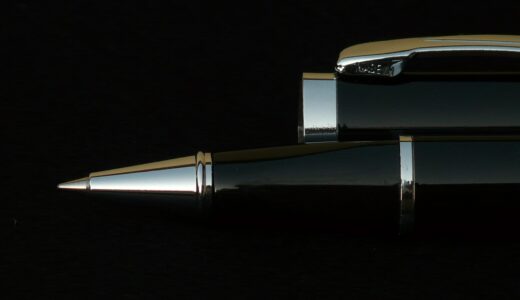
Rollerball pens use liquid ink and often feel closer to a fountain pen, with less hand pressure needed. Fountain pens add a more personal feel and can be refill friendly, but they need better paper and more care. For executive gifts or premium stationery sets, these styles feel more special than a basic click pen.
What Should You Check Before Buying a Pen?
A pen can look fine in a product photo and still fail in real use. The better test is simple: write a full page, sign your name several times, draw small boxes, and leave the page for a minute. You will see most problems quickly.
Tip Size and Line Control
Tip size changes the whole writing feel. A 0.5 mm tip gives a finer line for small handwriting and forms. A 0.7 mm tip feels balanced for daily notes. A 1.0 mm tip gives bold writing but may look heavy on cheap paper. If the pen is for office sharing, 0.7 mm is often the safest middle ground.
Grip Comfort and Barrel Balance
Comfort matters after five minutes, not five seconds. A thick grip may feel soft at first but bulky later. A very slim barrel may look neat but cause finger pressure during long writing. Choose a barrel that sits naturally between the fingers, with no sharp clip edge rubbing the hand.
Ink Dry Time and Paper Match
Paper can make a good pen look bad. Thin notebook paper may show bleed-through with wet ink. Coated receipt paper may reject some inks. For buyers, test the pen on the paper your users actually touch: notebooks, copy paper, envelopes, labels, and forms. A tiny smudge test saves complaints later.
How Can You Choose Pens for School, Office, and Promotion?
Buying one pen for yourself is easy. Buying pens for a classroom, company, shop, or campaign needs more care. The pen should fit the budget, but it also has to fit the people who use it all day.
School Packs Need Safety and Value
For school use, safety and price matter together. ISO 11540:2021 covers cap design for writing and marking instruments likely to be used by children up to age 14, aiming to reduce asphyxiation risk. For younger users, choose sturdy caps, avoid tiny detachable decorative parts, and pick ink that does not bleed through common exercise books. (iso.org)
Office Desks Need Refill Discipline
Office pens disappear. That is not a scandal, just office life. Keep the model simple, easy to reorder, and consistent across departments. If the pen is refillable, make refills visible in the supply cabinet. A refillable pen with no refill stock becomes disposable in practice.
Promotional Pens Need Real Daily Use
A promotional pen should not only carry a logo. It should write well enough to stay on a desk. Matte barrels hide fingerprints. Dark blue or black ink suits most business forms. The print area should be clear, but do not make the pen too heavy or oddly shaped. Novelty gets attention once; comfort earns repeat use.
Are Eco Friendly Pens Worth It?
Eco claims can be useful, but they need plain proof. Recycled plastic, paper barrels, metal bodies, replaceable refills, and less packaging may all help. Still, the best choice depends on how long the pen lasts and whether users can replace the ink.
Refills Cut Repeat Waste
A refillable pen can reduce repeat barrel disposal, especially in offices and schools that use the same model for months. The trick is behavior. If users cannot find the refill or do not know which refill fits, the benefit drops. Put the refill code on the product page, carton, or purchasing sheet.
Simple Materials Beat Fancy Claims
Look for clear material descriptions. Recycled plastic content, aluminum barrel, kraft paper barrel, and replaceable cartridge are easier to judge than vague green wording. Avoid a pen that uses mixed materials in a way that makes repair or refilling hard. Sometimes the plain pen with a refill beats the flashy eco story.
Packaging Choices Matter Too
Packaging is part of the footprint. The U.S. Environmental Protection Agency reported that plastic containers and packaging made up more than 14.5 million tons in U.S. municipal solid waste generation in 2018. Pens are only one small product group, but bulk buyers can still cut avoidable plastic sleeves, oversized blister packs, and unnecessary inner bags. (epa.gov)
How Do You Test a Pen Before a Bulk Order?
A bulk order should not be based on a pretty sample alone. Give the pen a short real-world trial. Ten users over three days can reveal more than a long product description.
A One Page Writing Trial
Ask testers to write one full page, not just a signature. Include numbers, small letters, capital letters, quick circles, and a few lines written fast. This shows skipping, grip fatigue, line consistency, and ink flow. A pen that performs well for a whole page is more likely to satisfy daily users.
A Smudge and Bleed Check
Run a finger across the line after 3 seconds, 10 seconds, and 30 seconds. Then check the back of the paper. For planners, school notebooks, and double-sided forms, bleed-through can be a deal breaker. Gel and rollerball pens need extra testing here because their richer ink can stay wet longer.
A Small User Feedback Round
Keep feedback short, or people will not fill it out. Use a simple list:
- Does the pen start on the first stroke?
- Is the grip comfortable after one page?
- Does the ink smudge on your normal paper?
- Would you keep this pen on your desk?
- Is the clip strong enough for a notebook or pocket?
If most users answer yes, the pen is likely safe for a larger order. If the answers split, choose the model that fits the main user group, not the loudest opinion in the room.
FAQ
Q1: What Is the Best Pen for Everyday Writing? A: A 0.7 mm ballpoint pen is usually the safest everyday choice because it balances smooth writing, quick drying, and long ink life.
Q2: Is a Gel Pen Better Than a Ballpoint Pen? A: A gel pen is often smoother and brighter, but a ballpoint pen usually dries faster and lasts longer. Choose gel for color and comfort, ballpoint for daily reliability.
Q3: What Pen Tip Size Should You Choose? A: Choose 0.5 mm for small writing, 0.7 mm for general notes, and 1.0 mm for bold lines or signatures. Always test on your usual paper.
Q4: Are Refillable Pens Good for Offices? A: Yes, if refills are easy to buy and easy to match. A refillable office pen works best when the refill code is clear and stock is kept nearby.
Q5: How Should You Test Pens Before Ordering in Bulk? A: Test the pen with a one-page writing trial, a smudge check, a bleed-through check, and short feedback from real users before placing a large order.