How Does a Quill Pen Work and Can You Still Write With One?
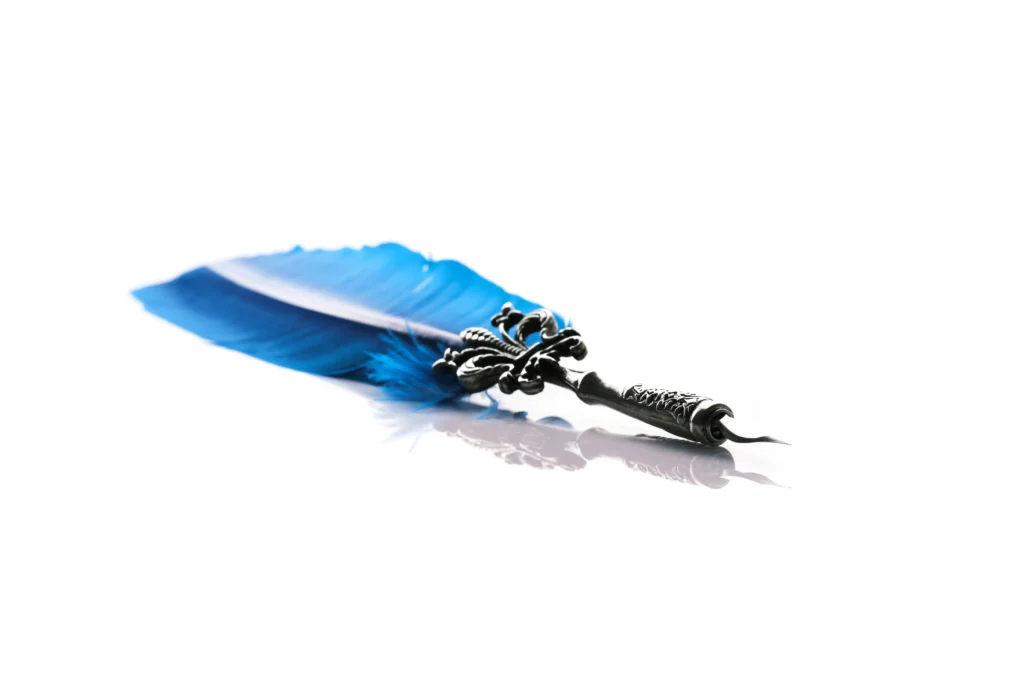
A quill pen is more than a relic of the past; it’s a fully functional writing tool that shaped centuries of literature, law, and art. Made from large feathers—typically goose or swan—it operates by channeling ink through a hollow shaft to the tip. Despite being replaced by metal nibs and fountain pens, a properly prepared quill still writes smoothly on parchment or paper. Experts in calligraphy continue to use them for their tactile precision and historical authenticity.
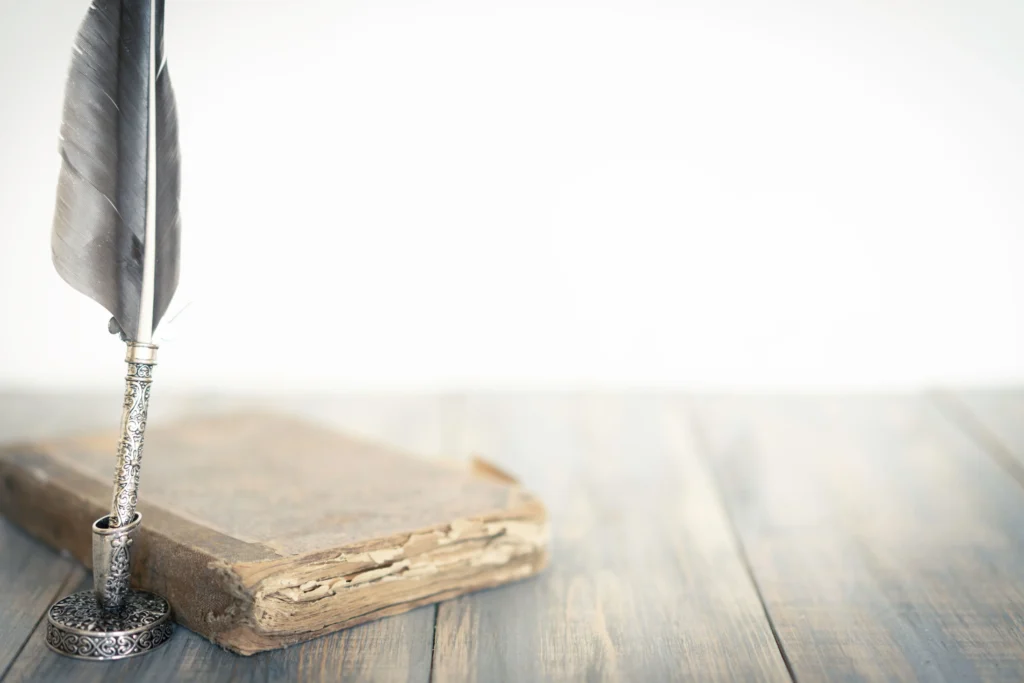
What Is the Structure of a Quill Pen?
The anatomy of a quill pen determines its performance. Each part contributes to how ink flows and how the writer controls line variation.
Feather Shaft and Barrel
The feather’s hollow shaft, or calamus, acts as an ink reservoir. When cut at an angle, it allows capillary action to draw ink toward the tip. The natural flexibility of keratin provides a spring-like quality similar to modern nibs but softer in feedback.
Nib Formation
Crafting the nib requires heating the feather gently to harden it before cutting. The slit down the center regulates ink flow, while shaping the tip defines stroke thickness. Skilled artisans often re-cut nibs after wear, maintaining precision over time.
Ink Retention and Flow
A quill holds less ink than a fountain pen but enough for several sentences per dip. The ink’s viscosity affects performance; thicker inks can clog while thinner ones may bleed. Historically, iron gall ink was favored for its balance between fluidity and permanence.
How Does Ink Flow Through a Quill Pen?
Ink movement inside a quill relies on physics as much as craftsmanship. The process appears simple yet depends on subtle interactions between surface tension and gravity.
Capillary Action Mechanism
When dipped into ink, liquid rises within the slit due to capillary attraction. This self-feeding action continues as long as contact with paper draws ink outward, making writing continuous until depletion.
Role of Pressure During Writing
Applying pressure widens the slit slightly, allowing more ink release for bolder strokes. Light pressure restricts flow for fine lines. This dynamic control explains why calligraphers favor quills—they respond intuitively to touch.
Environmental Factors Affecting Flow
Temperature and humidity influence viscosity and absorption rate. In dry air, ink thickens quickly; in humid conditions, paper fibers swell and alter absorption patterns. Experienced users adjust dipping frequency accordingly.
Why Did Writers Transition Away From Quills?
Despite their elegance, quills demanded maintenance and skill that industrial tools later simplified.
Durability Limitations
A quill’s tip softens after repeated use or exposure to acidic inks. Frequent re-cutting shortens lifespan dramatically—sometimes lasting only days under heavy writing workloads such as clerical copying or manuscript transcription.
Emergence of Metal Nibs
By the early 19th century, steel nibs offered uniformity and longevity at low cost. They could be mass-produced without sacrificing line consistency, making them ideal for education and commerce where efficiency mattered more than artistry.
Changing Writing Practices
As literacy expanded, speed became essential. Dip pens with standardized nibs supported faster cursive styles suited for correspondence or bookkeeping—tasks ill-suited for fragile feathers requiring constant care.
Can You Still Write With a Quill Pen Today?
Modern practitioners continue using quills both for artistic expression and historical reenactment. Their appeal lies not just in nostalgia but in sensory engagement with writing itself.
Preparation Techniques
Before use, feathers are cured by heating sand until hot enough to harden keratin without burning it. Once cooled, artisans carve the nib with small knives called penknives—a term that originated from this craft tradition.
Suitable Inks and Papers
Contemporary calligraphers select pigment-based inks formulated for dip pens rather than fountain pens to prevent clogging. Smooth cotton papers or vellum surfaces allow controlled flow without feathering at edges.
Applications in Modern Calligraphy
Quills remain popular among professional scribes replicating medieval manuscripts or producing ceremonial documents like diplomas or wedding certificates where authenticity enhances aesthetic value.
What Are the Advantages of Using a Quill Pen?
Although technologically surpassed, quills offer tactile benefits difficult to replicate with modern tools.
Expressive Line Variation
Because pressure directly influences width, writers achieve organic transitions between thick and thin strokes—ideal for scripts such as italic or copperplate styles emphasizing rhythm over uniformity.
Historical Connection
Using a quill connects present-day users with centuries-old traditions practiced by figures like Shakespeare or Jefferson who drafted foundational texts using similar instruments—a tangible link across time rather than mere symbolism.
Sustainability Factor
Feathers are biodegradable byproducts requiring minimal processing compared with metal manufacturing processes involving mining and smelting—making quills arguably more eco-conscious when sourced ethically from molted feathers.
How Do You Maintain a Quill Pen Properly?
Maintenance determines longevity; neglect leads quickly to dullness or cracking at the tip.
Cleaning After Use
After each session, rinsing with lukewarm water removes residual ink that could harden within channels. Drying upright prevents warping while keeping internal surfaces clean for consistent future flow.
Re-Cutting Worn Tips
Once edges fray or lose sharpness, trimming restores precision. Expert users employ small angled cuts guided by magnification under steady light—a delicate process requiring practice yet rewarding accuracy afterward.
Storage Conditions
Quills should be stored horizontally away from direct sunlight or moisture fluctuations which can soften keratin fibers leading to deformation over time; archival boxes lined with acid-free tissue provide optimal preservation environments used by museums housing historical manuscripts.
FAQ
Q1: Can any feather be turned into a quill pen?
A: Large flight feathers from geese, swans, or turkeys work best due to their sturdy shafts capable of holding ink effectively without collapsing under pressure during writing sessions.
Q2: How long does one quill typically last?
A: Depending on frequency of use and care quality, an individual quill may endure several weeks before requiring replacement though professional scribes historically re-cut tips daily during intensive work periods.
Q3: Are modern inks safe for traditional quills?
A: Not all; fountain pen inks often contain additives unsuitable for open-air nibs causing corrosion or poor adhesion whereas dip-pen formulations maintain proper viscosity balance essential for smooth operation.
Q4: Is it difficult to learn writing with a quill?
A: Beginners face challenges controlling pressure sensitivity but consistent practice yields mastery quickly since feedback from feather flexibility guides hand movement naturally unlike rigid ballpoint pens lacking tactile nuance.
Q5: Where can authentic quills be purchased today?
A: Specialist calligraphy suppliers online offer handcrafted options made from sustainably sourced feathers often pre-cut ready for immediate use along with compatible inks designed specifically for dip-style instruments.