Is Cheap Printer Ink Really Safe for Your Printer?
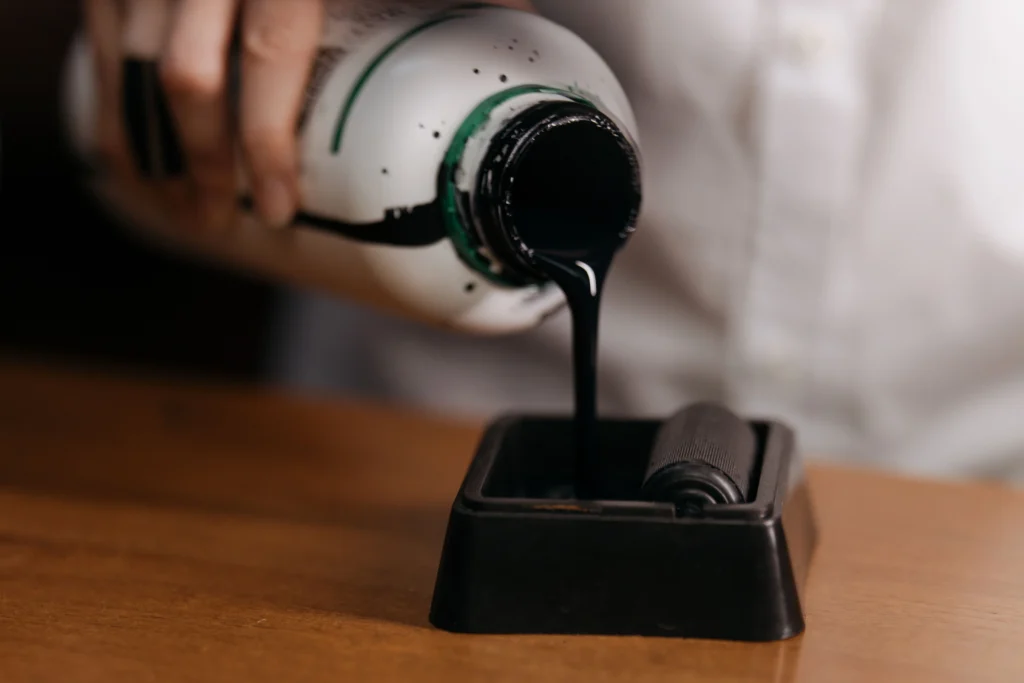
Printer ink is one of the most expensive liquids per milliliter, which naturally pushes many users toward cheaper alternatives. Yet, while cheap printer ink may appear to save money upfront, it can bring hidden costs and long-term damage to printers. From clogged nozzles to inconsistent color reproduction, low-cost ink often compromises performance and reliability. The short answer: cheap printer ink isn’t always safe for your printer, especially if you rely on consistent print quality or use high-end printing equipment.

What Makes Cheap Printer Ink Different from Branded Ink?
The debate over cheap printer ink usually begins with its formulation and manufacturing process. Original Equipment Manufacturer (OEM) inks are carefully engineered for specific printer models, ensuring compatibility and consistent results. Cheap alternatives—often third-party or refilled cartridges—lack that precision.
Chemical Composition and Additives
Cheap printer ink often contains lower-grade dyes or pigments mixed with higher water content. This imbalance can affect viscosity and drying time, leading to smudging or uneven application on paper. OEM inks typically include stabilizers and anti-clogging agents that maintain nozzle health over thousands of prints, something budget inks rarely replicate.
Manufacturing Standards and Quality Control
Reputable brands follow strict ISO standards during production, testing each batch for consistency in color density and flow rate. In contrast, many low-cost suppliers skip these steps entirely or operate without certification. This inconsistency means two cartridges from the same vendor may perform differently.
Cartridge Design and Chip Compatibility
Modern printers use smart chips to monitor ink levels and authenticate cartridges. Cheap printer ink refills sometimes bypass these systems through cloned chips or firmware hacks. While this might work temporarily, firmware updates can disable non-genuine cartridges entirely, leaving users with unusable stock.
Can Cheap Printer Ink Damage the Printer?
Damage from cheap printer ink doesn’t always happen immediately—it often builds up over time through residue accumulation or chemical reactions within the printhead.
Printhead Clogging and Corrosion
Low-quality ink tends to leave behind microscopic residues that harden inside nozzles when exposed to air. Over time, this buildup restricts flow and causes streaking or missing lines in prints. Some inks also have pH levels that corrode metal components inside the printhead, shortening its lifespan.
Sensor Malfunctions and Error Codes
Printers rely on optical sensors to detect cartridge presence and ink levels. Counterfeit or poorly designed cartridges can interfere with these sensors, triggering false error messages such as “cartridge not recognized.” Frequent sensor errors disrupt workflow and may require service resets.
Warranty Void Risks
Using third-party inks can void manufacturer warranties in certain regions if proven as the cause of damage. While consumer protection laws vary by country, most manufacturers explicitly warn against non-OEM supplies in their warranty documentation.
Are There Reliable Alternatives to OEM Ink?
Not all third-party inks are inherently bad; some independent brands invest heavily in research to produce high-quality compatible cartridges at lower prices.
Certified Compatible Cartridges
Brands like LD Products or 123Ink.ca offer ISO-certified compatible inks that meet industry standards for color accuracy and viscosity. These products undergo similar testing as OEM counterparts but cost significantly less.
Remanufactured Cartridges with Quality Assurance
Remanufactured cartridges reuse original shells but replace internal components like sponges and seals before refilling them with tested inks. When sourced from certified vendors, they balance affordability with reliability.
Bulk Refill Systems for High-Volume Users
Continuous Ink Supply Systems (CISS) provide refillable tanks connected directly to printheads via tubes. When paired with high-grade refill ink designed for specific models, they drastically reduce cost per page without compromising quality—ideal for office environments printing thousands of pages monthly.
How Does Cheap Ink Affect Print Quality?
Print quality degradation is one of the most visible consequences of using cheap printer ink. Even small deviations in pigment concentration can result in dull colors or poor gradients.
Color Inconsistency Across Prints
Cheap inks often fail to reproduce accurate hues across different batches due to unstable dye formulas. This inconsistency becomes problematic in professional environments like photography studios where precise color matching is essential.
Fading Resistance Over Time
OEM inks are formulated with UV-resistant compounds that prevent fading when exposed to sunlight or humidity. Budget inks lack these additives, causing prints to lose vibrancy within months—especially on glossy photo paper.
Paper Compatibility Issues
Some low-cost inks bleed excessively on standard copy paper because their viscosity doesn’t match the absorption rate intended by the manufacturer’s design specifications. This leads to feathering around text edges and reduced sharpness in fine details.
What Are the Hidden Costs of Using Cheap Printer Ink?
While cheap printer ink reduces immediate expenses, it introduces hidden costs related to maintenance, replacement parts, and wasted materials.
Increased Maintenance Frequency
Frequent cleaning cycles become necessary when printheads clog more easily. Each cleaning consumes additional ink—ironically wasting both cheap refills and any remaining OEM supply mixed within the system.
Shortened Hardware Lifespan
Prolonged exposure to substandard chemicals accelerates wear on internal seals, rollers, and sensors. Replacing a damaged printhead can cost nearly as much as a new printer itself.
Reduced Productivity Due to Downtime
Every misprint or error message interrupts workflow efficiency. Businesses relying on continuous printing may find downtime costs outweigh any initial savings from cheaper supplies.
How Can Consumers Choose Safe Low-Cost Options?
Choosing affordable yet safe alternatives requires careful evaluation of product certifications, customer reviews, and supplier reputation rather than price alone.
Look for ISO 9001 or STMC Certification
These certifications indicate adherence to international manufacturing standards ensuring consistent performance metrics such as yield capacity and color density across batches.
Check Vendor Transparency
Legitimate suppliers disclose detailed compatibility lists along with chemical composition data sheets (MSDS). Lack of transparency is often a red flag indicating unreliable sourcing practices.
Test Small Batches Before Bulk Purchase
For offices managing multiple printers, testing one cartridge before committing to bulk orders helps identify potential clogging or color issues early without risking entire fleets of machines.
FAQ
Q1: Can using cheap printer ink void my warranty?
A: Yes, if damage is proven linked directly to non-OEM supplies; manufacturers often specify this condition within warranty terms.
Q2: Why do some third-party inks perform well despite being cheaper?
A: Certain certified manufacturers follow strict quality control processes comparable to OEMs but save costs through direct distribution channels rather than brand marketing overheads.
Q3: How can I tell if my cartridge is counterfeit?
A: Counterfeits usually lack holographic seals or serial numbers found on genuine packaging; inconsistent labeling fonts also signal imitation products.
Q4: Is remanufactured ink environmentally friendly?
A: Yes; reusing cartridge shells reduces plastic waste significantly compared with single-use disposables while maintaining acceptable quality levels when properly refurbished.
Q5: What’s the best practice for storing extra cartridges?
A: Store them upright in a cool environment away from sunlight; extreme heat accelerates evaporation causing premature drying even before installation.