Which Printer Ink Cartridges Last the Longest?
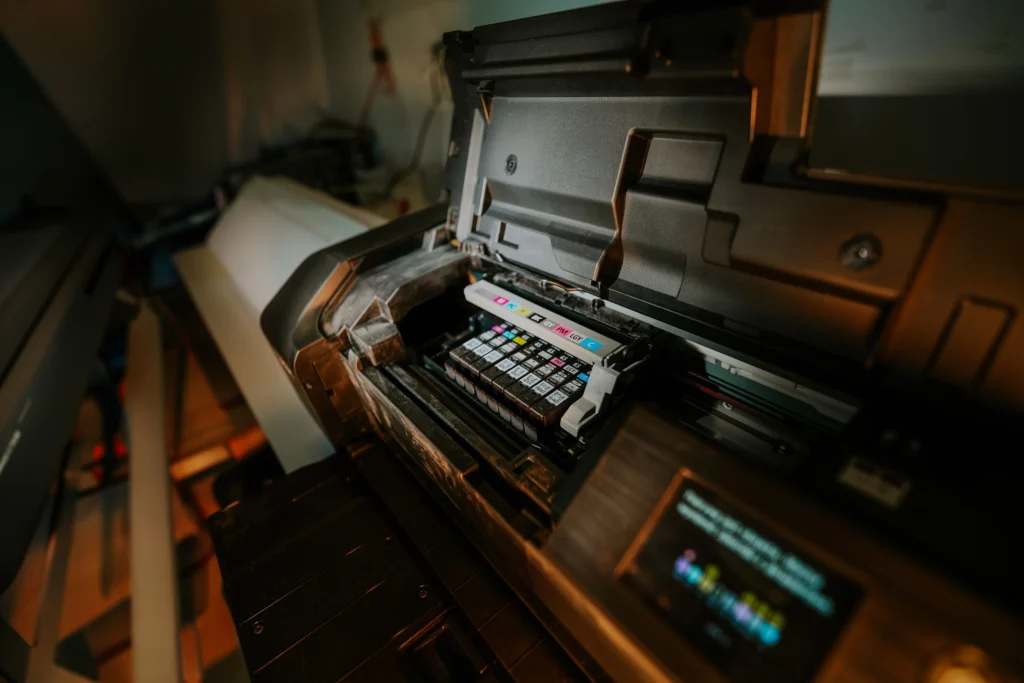
Printer ink cartridges vary widely in how long they last, depending on brand, printer model, cartridge size, and usage patterns. Among the major brands, high-yield or XL cartridges from HP, Canon, and Epson tend to provide the longest lifespan per unit. For professionals printing regularly in color or high volume, pigment-based inks also show better longevity than dye-based ones. In short, cartridges like HP 950XL, Canon PGI-280XL, and Epson 252XL are widely regarded as the longest-lasting options for both cost efficiency and print durability.
What Factors Determine How Long an Ink Cartridge Lasts?
The life of a printer ink cartridge is more than just the number of pages printed. The technical characteristics of a cartridge as well as a number of external factors determine its shelf life. Although manufacturers indicate the print yield of a cartridge in printed pages under standardized test conditions, actual printed output can vary greatly from these values.
Cartridge Capacity and Page Yield
When describing a printer cartridge’s capacity it will be measured in milliliters of ink or printed page yield. Cartridges that are labeled as High-Yield or XL contain more ink than their standard counterpart, up to double the amount of ink. This allows for a longer print time before the cartridge will need to be replaced. For example the HP 950XL black cartridge can print approximately 2,300 printed pages before it needs to be replaced. In comparison the standard HP 950 black cartridge would print approximately 1,000 pages before it would need to be replaced. For businesses that print a lot this High-Yield option can be a cost effective solution.
Print Density and Color Usage
Printing habits strongly affect how long a cartridge lasts. Text-heavy documents use less ink than full-color graphics or photos. Printers that mix colors to produce black (common in photo printing) consume color inks faster than those using a dedicated black cartridge. Businesses printing invoices or reports in grayscale will find their cartridges lasting significantly longer.
Printer Maintenance and Environment
Every time you do a cleaning cycle, it uses up some ink even if you haven’t printed any pages in the meantime. And if your printer is in a very dusty environment, or you don’t use it for long periods of time, the nozzles can clog up and the printer will go into cleaning mode. The best thing to do to ensure that your ink is used efficiently is to keep your printer in a constant temperature and print at least once a week.
Which Brands Offer the Longest-Lasting Ink Cartridges?
Cartridges are also different to other manufacturers products, some more focused on color accuracy whereas others focus on durability and cost-per-page over time.
HP’s High-Yield Cartridges
The HP XL version is designed for longer usage without losing quality. This is why most of the HP XL versions, for example HP 952XL or HP 63XL, are widely used in small offices to print continuously and produce high quality printing. HP XL versions contain pigment-based black ink, which is known to provide less fading compared to the dye-based inks.
Canon’s MegaTank and XL Options
Canon MegaTank printers have replaced the traditional printing cartridges with tanks that can be refilled. Thousands of pages can be printed from a single refill, which is great for people who are after a long-term solution with lots of value, as opposed to something that is convenient to use. Traditional cartridge printing is still available with Canon’s PGI-280XL cartridges that print a high number of pages and are suitable for printing text and photos.
Epson’s EcoTank and DURABrite Systems
Epson offers printers which use refillable large ink reservoirs, referred to as EcoTank. These allow users to print approximately 7,500 black and white A4 pages or 6,000 color A4 pages from a refill, depending on usage. DURABrite Ultra pigment inks are used in Epson’s cartridge-based printer models. These printed documents are designed to last longer and are resistant to smudging and water damage.
How Do Pigment-Based Inks Compare to Dye-Based Inks?
The chemical makeup of your ink affects both how well your prints look and how long they last. Thus, the type of printer you choose to print with may be determined by the chemical makeup of your ink.
Pigment-Based Ink Durability
Pigment particles are deposited on the surface of paper fibers. While absorbance into fiber is typical for dyes, pigment-based inks are more UV and moisture resistant than dyes making them suitable for archival quality documents as well as for outdoor signage where fading is unacceptable.
Dye-Based Ink Vibrancy
Dye-based inks are dissolved in liquid, thus creating very bright colors. These inks are often used for photo printing because of their color intensity. Although they dry very fast, they can bleed on non-coated paper surfaces. Their biggest drawback is their low lightfastness.
Hybrid Systems in Modern Printers
While there are printers that contain a mix of a pigment black for the text and dye colors for the images. A hybrid print solution that offers a reasonable balance between durability and color intensity for the different types of documents.
Are Third-Party Cartridges Worth Considering?
Although Third-party or remanufactured cartridges can be an attractive option for the buyer due to the lower purchase price, they have some trade-offs in terms of reliability and lifespan compared to the new original cartridges.
Cost Savings vs Longevity
While third-party cartridges may cost half as much as OEM versions, they often contain less ink or use lower-quality materials that reduce effective yield. Leakage risks are higher too, which can damage print heads over time.
Quality Control Variations
OEM manufacturers maintain strict testing standards ensuring consistent droplet size and color balance across batches. Aftermarket suppliers vary widely; some reputable brands perform well while others deliver inconsistent results that shorten cartridge life.
Warranty Considerations
Using non-OEM supplies may invalidate the manufacturer’s warranty should a problem occur with a print head leak or clog. Businesses that require to operate 24/7 may find the initial cost savings of non-OEM supplies are offset by subsequent repairs.
What Printing Habits Help Extend Cartridge Life?
Even with premium cartridges installed, user behavior plays a major role in determining actual lifespan per unit of ink consumed.
Regular Printing Schedules
By running small print jobs on a weekly basis you prevent nozzle clogging due to ink drying in the nozzles. Also waste of ink during the cleaning cycles after long idle periods is prevented. The internal components are kept lubricated with the fresh ink flow.
Choosing Draft Mode Wisely
For internal documents where perfect clarity isn’t essential, enabling draft mode reduces ink density by up to 50%. However, this mode shouldn’t be used for client-facing materials since it produces lighter text tones.
Proper Storage Practices
Storing spare cartridges upright and in a cool room will extend the shelf life of the cartridge. Air bubbles can form in the nozzles of cartridges that are stored with their nozzles down. In addition, avoid storing spare cartridges with their nozzles exposed to direct sunlight. Pigment can degrade rapidly in sunlight before it is used in printing, resulting in print quality problems.
How Does Cartridge Technology Influence Longevity?
Many modern printers have smart chips in them as well as pressure systems that aid in efficient use of ink in printing operation.
Smart Monitoring Chips
OEM cartridges that include an embedded chip, will accurately track the amount of ink / toner remaining in the cartridge, to prevent unnecessary replacement. By extracting the maximum capacity from each cartridge, the risk of a dry run, which could potentially damage the print head, is avoided.
Pressure-Regulated Delivery Systems
Advanced printers are able to dynamically control the pressure in the printer to ensure that each and every drop of ink is printed where it is intended. This means that printing at high speed, or using different print settings, or printing in different humidity levels will all result in more efficient use of ink, i.e. more print output per milliliter of ink consumed in the long run.
Anti-Clogging Formulations
Manufacturers have recently added surfactants to cleaners which help to reduce residue left in spray nozzles. These improvements extend the usable life of articles between replacements reducing waste during maintenance cycles.
FAQ
Q1: Which printer brand offers the best value for long-lasting cartridges? A: The best value for long-lasting cartridges is offered by Epson’s EcoTank series. Even after thousands of prints, the value of prints made with the EcoTank series remains. Prints of very high quality can be made in large quantities.
Q2: Do XL cartridges dry out faster than standard ones if unused? A: No, larger capacity doesn’t increase drying risk; proper storage conditions matter more than size when preventing evaporation inside sealed units.
Q3: Are pigment inks always better than dye inks? A: Not necessarily—pigment inks excel at durability whereas dye inks produce richer colors ideal for photography applications requiring tonal depth rather than archival permanence.
Q4. Will using third-party inks damage my printer? A. Third-party, poorly made items can cause leakage or clog problems. However, most remanufacturers, operating within the ISO standards, are not likely to cause any problems. It’s a case of making sure that you source your products responsibly.
Q5. How Often To Run Printer Cleaning Cycles? A. Automatically Every Few Weeks Is Sufficient For The Average Office. Manually Excessively Cleaning Will Only Wasting A Large Amount Of Ink And Gain No Quality Improvement.