
Can Journaling on Paper Beat an App for Focus and Better Habits?
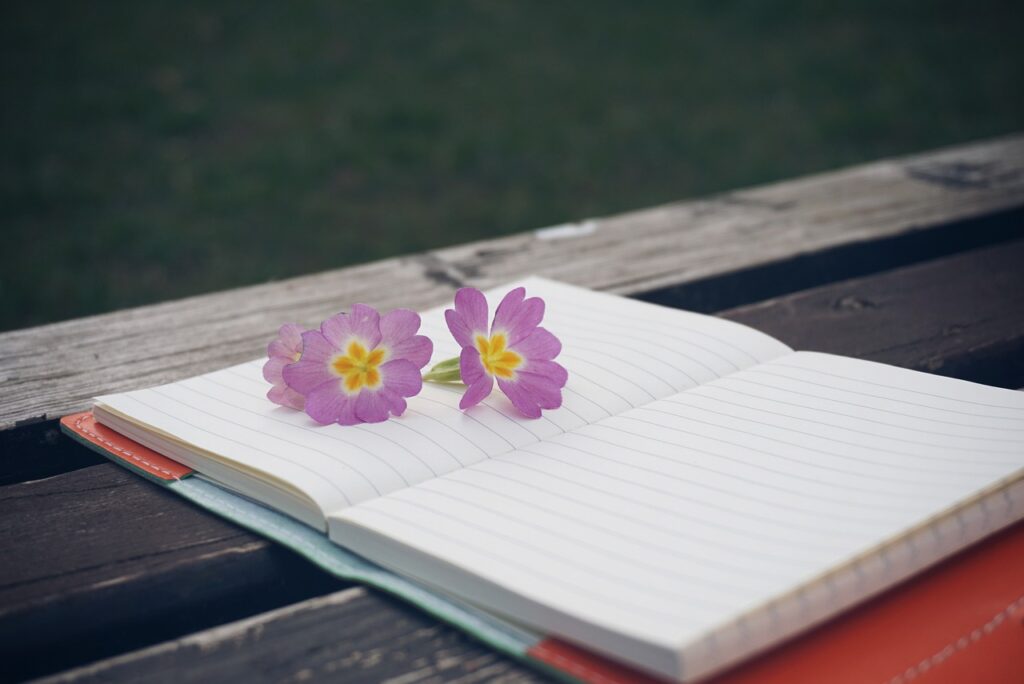
Journaling is one of those habits that sounds simple until you sit down and face a blank page. A good notebook can help you slow the day, sort a messy thought, remember what matters, and plan tomorrow without another app asking for attention. This Journaling guide looks at paper versus digital writing, useful notebook features, starter prompts, and public research that gives the habit a real base instead of vague wellness talk.
Why Does Journaling Still Matter in a Screen-Heavy Day?
Phones are useful, no question. They hold calendars, photos, messages, maps, and sometimes your shopping list from last Tuesday. Still, a paper journal gives you a quiet place that does not blink, buzz, or refresh. That matters because the habit is less about writing perfect pages and more about creating a short pause you can trust.

A Private Place for Loose Thoughts
Your journal can hold half-formed plans, small worries, odd ideas, and notes that would look strange in a shared document. That private feel is important. People often stop writing because they think every entry needs a lesson. It does not. A sentence such as, “Today felt crowded, but lunch outside helped,” is enough. The page becomes a low-pressure record, not a school assignment.
A Small Screen Break
Pew Research Center surveyed 1,453 U.S. teens and their parents from September 26 to October 23, 2023. In its 2024 report, 72% of teens said they often or sometimes feel peaceful when they do not have their smartphone, while 44% said phone-free time can make them anxious. The useful conclusion is not that screens are bad. It is that a paper journal gives you a short, controlled break from a device that carries mixed feelings. (pewresearch.org)
A Habit That Fits Real Schedules
Journaling works best when it fits an actual day. A long evening routine may sound nice, but many people only have five minutes before work, after class, or before bed. Paper helps because there is no login, battery, or update. Open the cover, write the date, add three lines. That tiny action is not glamorous, but it keeps the habit alive.
What Benefits Can You Expect from Journaling?
Journaling should not be sold as a cure for stress, anxiety, or health problems. It is a tool, not a therapist. The strongest public research often studies expressive writing, gratitude writing, or positive affect journaling, not every kind of diary. Even with that limit, the evidence gives useful hints for everyday journal users.
Clearer Thinking After Busy Moments
Writing by hand forces you to choose words. That small delay can help when your mind is jumping between tasks. Instead of keeping ten loose thoughts in your head, you place them somewhere visible. A simple page split into “Now,” “Later,” and “Let Go” can turn mental noise into a short list. Not magic, just neat enough to act on.
Better Emotional Sorting
James W. Pennebaker’s 2018 article in Perspectives on Psychological Science describes early expressive writing work where students wrote about difficult experiences for 15 minutes a day over four days. The same article notes that later research across more than 100 studies found a small average health effect, around Cohen’s d of .16. The practical takeaway is modest but useful: writing can help some people process emotion, especially when expectations stay realistic. (journals.sagepub.com)
Stronger Goal Follow Through
A journal also helps goals move from vague hope to visible action. Instead of writing “get healthier,” write “walk for 20 minutes after dinner on Monday, Wednesday, and Friday.” That wording gives the goal a place, time, and size. At the end of the week, check what happened without drama. A missed day is data, not failure.
Is Paper Journaling Better Than Digital Journaling?
Paper and digital journals both have a place. A phone is fast, searchable, and always close. Paper feels slower, more physical, and less distracted. The better choice depends on what you need from the session. For memory, reflection, and calm, paper has a strong case. For capture speed, travel notes, and photo records, digital wins some days.
Slower Writing Can Help You Filter
Mueller and Oppenheimer’s 2014 Psychological Science study, indexed by PubMed, found that students taking laptop notes tended to transcribe more words verbatim, while longhand note takers did more processing and reframing. The study focused on note taking, not private diaries, so the conclusion should stay narrow. Still, it supports a common journaling reason: slower writing can push you to choose what matters. (pubmed.ncbi.nlm.nih.gov)
Apps Win When Speed Matters
If a thought arrives on a train platform or during a trip, a notes app may be the best tool. It catches the idea before it disappears. You can also search digital entries by keyword. For many people, a mixed system works fine: capture quick notes on a phone, then copy the important ones into a paper journal later. Slightly messy, but very human.
Paper Adds a Simple Ritual
The feel of a pen, the date at the top, and the turn of a page create a small ritual. That ritual tells your brain, “this is a slower space.” A paper journal also reduces the risk of drifting from a notes app to messages, short videos, or email. One minute you are writing a mood note, then somehow buying socks. Paper avoids that little trap.
What Journal Setup Works Best for Beginners?
A beginner setup should be easy to carry, pleasant to write in, and simple enough that you do not spend more time decorating than writing. The stationery market also shows that paper products are far from old-fashioned. Grand View Research estimated the global stationery products market at USD 112.15 billion in 2023 and reported that paper-based products made up 30.6% of revenue that year. Demand is still broad, and journals sit right in that practical paper culture. (grandviewresearch.com)
The Notebook Size You Will Carry
A5 is a safe choice for many users because it gives enough space for real entries while still fitting in many bags. Pocket notebooks are better for quick notes but can feel tight for reflection. Large notebooks look beautiful on a desk, yet they often stay on that desk. The best size is the one you will actually open on a normal Tuesday.
Paper That Matches Your Pen
If you use gel pens, fountain pens, or markers, paper quality matters. Thin paper may show ink on the back. Smooth paper can make writing feel easy, while toothier paper gives pencil or fine liner users more control. A notebook around 80 to 100 gsm works for many everyday pens. Fountain pen fans may prefer thicker or coated paper, depending on ink.
A Layout With Room to Breathe
Lined pages suit long entries. Dotted pages work for mixed journaling, small charts, and habit trackers. Blank pages feel open but can intimidate beginners. If you are unsure, choose dotted or lightly lined paper. Leave margins. Skip packed pages. White space helps you return to old entries without feeling like you are reading a wall.
How Should You Start a Daily Journaling Routine?
The best routine is usually smaller than the one you imagine. A daily hour sounds serious, but it may collapse after three days. A daily five-minute page can last for months. Start with a low bar, then add more when the habit feels natural. No gold stars required, though a nice pen does make it more pleasant.
A Five-Minute Start
Set a timer for five minutes and stop when it ends. This removes the pressure to fill pages. Write the date, then answer one prompt: “What is taking up the most space in my head?” If the answer is a grocery list, write the grocery list. If it is a worry, write that. The point is contact with the page.
Prompts That Remove Blank-Page Panic
Keep three prompts inside the cover. Try: “What went better than expected today?” “What needs attention tomorrow?” “What am I avoiding?” These prompts cover gratitude, planning, and honesty without sounding too formal. Rotate them. A journal prompt should open the door, not force a speech.
A Weekly Review That Stays Short
Once a week, read the last few entries and circle repeated words, tasks, or moods. If “tired” appears four times, sleep or workload may need a real look. If the same task keeps moving forward, break it smaller. A weekly review should take ten minutes, not become a life audit. Keep it light enough to repeat.
What Should You Write When Your Mind Feels Blank?
Blank-page moments are normal. They do not mean journaling is failing. Sometimes the brain is tired, or the day was boring, or nothing wants to become a full paragraph. Use a fixed format on those days. Structure gives you a way in.
One Line About the Day
Write one plain sentence: “Today was slow but not bad.” That line counts. Over time, one-line entries create a surprisingly useful record. You may notice seasons, energy patterns, work cycles, or small joys that were easy to miss at the time.
Three Bullets for What Mattered
Use three bullets: one event, one feeling, one next step. For example: “Client call finished,” “felt relieved,” “send final file by 10 a.m.” This format is quick and practical. It is also good for students, office workers, and anyone who does not want a dramatic diary voice every night.
A Small Plan for Tomorrow
End with one task that would make tomorrow easier. Pack a bag. Reply to one email. Put the gym shoes by the door. Small plans reduce morning friction. If the entry starts messy and ends with one clear action, the page did its job.
FAQ
Q1: Is Journaling Better in the Morning or at Night? A: Morning journaling works well for planning, while night journaling works well for reflection. Choose the time you can repeat most easily.
Q2: How Many Minutes Should You Journal Each Day? A: Five to ten minutes is enough for most beginners. Longer sessions are fine, but consistency matters more than page count.
Q3: Can Journaling Help With Stress? A: Journaling may help you sort thoughts and emotions, but it is not medical care. If stress feels unmanageable, contact a licensed professional or local emergency support.
Q4: Should You Keep Old Journals? A: Keep them if they feel useful, meaningful, or safe. If old entries make you feel stuck, store them out of sight or keep only selected pages.
Q5: What Is the Best Notebook for Journaling? A: The best notebook is comfortable to carry, pleasant with your pen, and simple enough to use daily. For many beginners, an A5 lined or dotted notebook is a smart start.