Which Notebook Is Best for School, Office, and Creative Work?
Which Notebook Is Best for School, Office, and Creative Work?
A Notebook looks simple until you need one that survives a semester, keeps meeting notes neat, or handles sketches without ink bleeding through. The right choice depends on size, paper, binding, ruling, cover, and how often you carry it. For shoppers comparing stationery for school, office, or daily planning, Upyueping stationery and sports supplies is a useful place to start because notebook choices should match real tasks, not just a pretty cover.
Paper notebooks still matter in a digital world. They are quick, low-cost, easy to share, and free from battery stress. A teacher can check pages at a glance. A buyer can mark samples during a factory visit. A designer can rough out five ideas before opening software. This guide walks through the main buying points so you can choose notebooks with less guessing and fewer half-used books sitting in a drawer.
What Makes a Notebook Good for Daily Use?
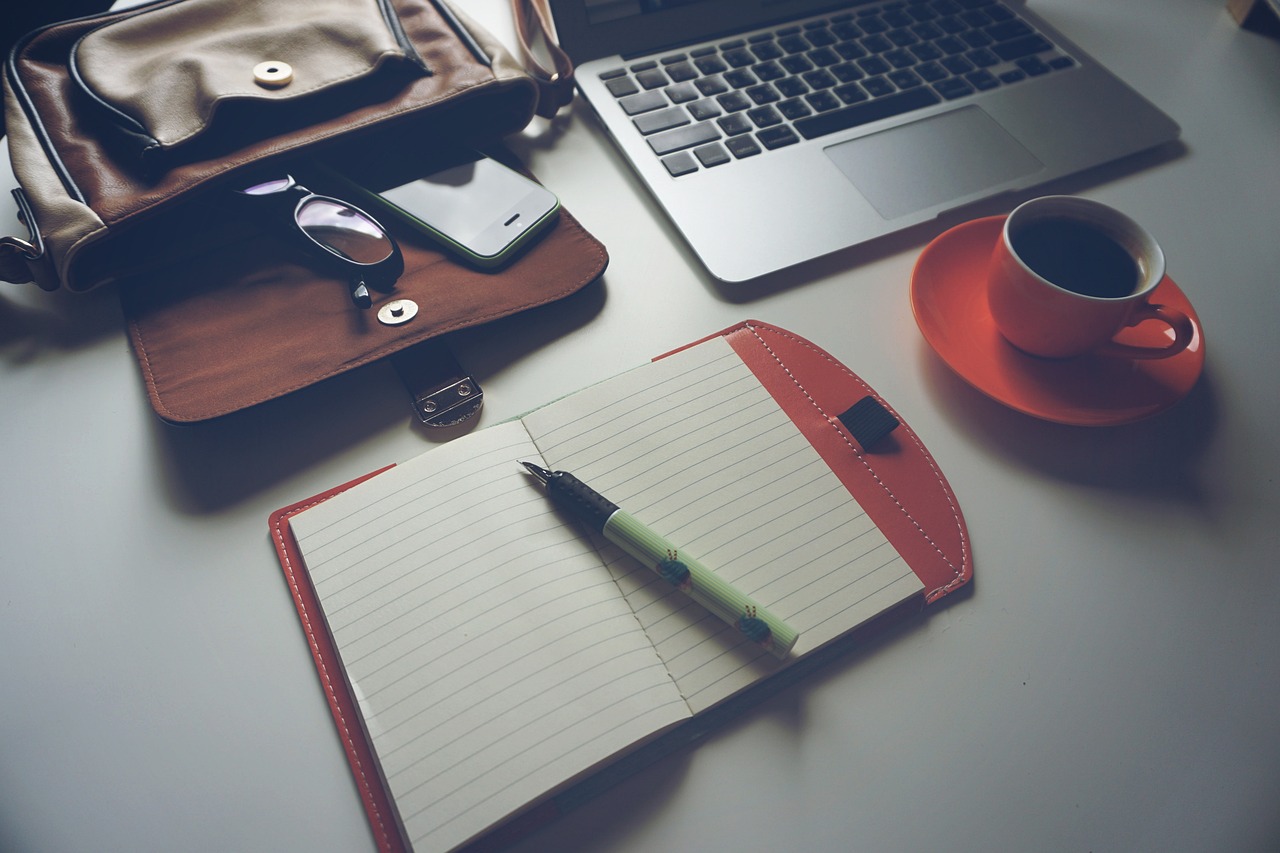
A good notebook is not always the most expensive one. It is the notebook you actually use until the last page. That means it opens well, feels right in your hand, suits your writing tool, and has enough structure for your work. The small details sound boring, but they are what decide whether a notebook becomes part of your routine.
Comfortable Paper for Common Pens
Paper quality shapes the writing feel more than most buyers expect. If you use ballpoint pens, standard writing paper usually works fine. If you use gel pens, fountain pens, markers, or highlighters, look for thicker paper and a smoother surface. Many everyday notebooks use paper around 60 to 80 gsm, while premium study or office notebooks often move higher. There is no single official global rule for the best notebook gsm, so treat it as a practical buying detail rather than a fixed standard.
A quick test helps. Write one line, highlight it, and check the back of the page. Light ghosting is normal. Heavy bleed-through is annoying, especially when you need both sides. For students, this matters during long classes. For offices, it matters when notes must stay clean for records, follow-ups, or client meetings.
Binding That Fits How You Write
Binding decides how the notebook behaves on a desk. Spiral notebooks fold back fully, which helps in small lecture halls, sales counters, and fieldwork. Stitched or sewn notebooks feel tidy and often last well in bags. Glue-bound notebooks look clean, but cheap glue can crack if the book is forced flat too often.
If you write with one hand while standing, a spiral notebook is usually easier. If you want a polished book for meetings, a case-bound or sewn notebook feels more professional. For school supply programs, spiral binding is popular because it is practical and familiar. For corporate gifts, a hardcover notebook often gives a better first impression.
Cover Strength for Bag Life
A notebook cover is not only decoration. It protects corners, keeps pages from curling, and helps the book survive backpacks, lockers, briefcases, and warehouse shelves. Thin paper covers are fine for short projects. Poly covers resist moisture better. Hardcover notebooks are heavier, but they can handle daily transport.
Here is the simple rule: if the notebook stays on a desk, choose comfort. If it travels every day, choose protection. Anyone who has found a notebook crushed beside a lunch box knows this is not a tiny issue.
Which Notebook Size Should You Choose?
Size affects writing space, portability, shipping cartons, shelf display, and the way a product feels in the hand. For international buyers, size also matters because paper standards vary by market. ISO 216:2007 specifies trimmed A and B series paper sizes for administrative, commercial, and technical use. In practice, A4, A5, and B5 are the common notebook sizes many shoppers compare.
A4 for Full Pages and Structured Work
A4 is 210 × 297 mm under the ISO system. It gives plenty of room for class notes, diagrams, worksheets, meeting minutes, and project plans. If you often paste handouts, draw tables, or write across a wide page, A4 is comfortable. It also works well for teachers and office teams because the page size is close to printed documents in many countries.
The tradeoff is weight. An A4 notebook with many pages can feel bulky in a backpack. For young students, too many large books become a daily burden. For office use, A4 works best when the notebook stays at a desk or moves between meeting rooms.
A5 for Portability and Personal Planning
A5 is roughly half of A4, so it is easier to carry. It fits handbags, work totes, and some large coat pockets. A5 is a strong choice for journaling, task lists, meeting action points, travel notes, and language practice. It gives enough page space without feeling like school homework.
For business gifts, A5 is also a safe size. It looks neat, ships efficiently, and feels useful to a wide group of people. If you are buying notebooks for mixed users, A5 often has the least risk.
B5 for a Balanced Writing Area
B5 sits between A4 and A5 in feel. Students often like it because it gives more room than A5 but is less bulky than A4. It works well for math notes, science diagrams, language classes, and exam review. Some markets prefer B5 for school use because the page feels roomy without taking over the desk.
If you are building a notebook range, B5 can fill the gap between compact planning and full-page study. It is not always the first size people name, but it often becomes the one they keep using.
How Do Ruling Styles Change the Writing Experience?
Ruling is more than lines on paper. It guides the way you think, plan, and review. A notebook that is perfect for math may feel wrong for journaling. A blank sketch notebook may frustrate someone who wants tidy meeting notes. Before choosing a cover design, match the ruling to the user’s task.
Lined Pages for Notes and Writing
Lined notebooks are the everyday choice for school, office, and personal writing. They keep paragraphs neat and make quick scanning easier. Narrower line spacing works for older students and adults with small handwriting. Wider spacing helps younger students and anyone who writes larger letters.
For English writing practice, ruled pages provide visual control. For meeting notes, they keep action items readable. If you need one general notebook style for bulk purchase, lined pages are usually the safest choice.
Grid Pages for Numbers and Layouts
Grid notebooks are useful for math, engineering, charts, habit trackers, tables, and layout planning. The squares create structure without forcing long lines of text. They are also handy for people who mix words, arrows, and small sketches on the same page.
For office teams, grid paper can make planning clearer. A buyer can compare prices in columns. A warehouse supervisor can sketch shelf space. A student can solve equations with cleaner alignment. It is a small design choice with a big effect on page order.
Blank Pages for Sketching and Free Thinking
Blank notebooks suit drawing, brainstorming, storyboarding, and visual notes. They give freedom. Of course, that freedom can be messy if the user mainly writes sentences. Blank pages are best when the notebook is clearly meant for ideas, sketches, or creative work.
If the target customer includes artists, designers, architects, or children, blank options make sense. Just make sure the paper is thick enough for pencils, colored pencils, and light markers. A blank notebook with thin paper can disappoint fast.
What Paper and Sustainability Details Should Buyers Check?
Notebook paper comes from a larger paper and forestry chain, so sustainability claims should be specific. Nice green wording on a cover is not enough. Look for recycled content, responsible forest certification, and practical packaging choices. Public data can help you judge why these details matter.
Recycled Paper With Clear Claims
The U.S. Environmental Protection Agency reported that about 46 million tons of paper and paperboard were recycled in 2018, with a recycling rate of 68.2 percent. The same EPA data set describes paper and paperboard as a major part of municipal solid waste by material weight. The background is clear: paper is widely recovered, but large volumes still move through waste systems. The buying conclusion is simple. If you choose recycled paper notebooks, ask suppliers to state recycled content clearly, such as post-consumer or pre-consumer fiber, rather than using vague eco labels.
Recycled paper can be slightly different in shade and surface feel. That is not a defect. Some buyers even prefer the warmer tone because it feels less harsh under bright classroom or office lights.
Forest Certification for Paper Sources
The Forest Stewardship Council says it certifies forests and forest products through an independent system, and FSC public information has reported certified forest coverage at more than 160 million hectares worldwide in recent years. The useful point for notebook buyers is not the logo alone. It is traceability. Certification helps show that the paper source follows defined forestry rules.
If you buy notebooks for schools, public programs, or corporate branding, certification can support procurement requirements. It also makes product descriptions more credible. Still, buyers should request current certificate details from suppliers because certification status can change over time.
Packaging That Avoids Waste
Notebook packaging needs balance. Too little protection causes bent corners and returns. Too much plastic feels wasteful and raises costs. For retail, shrink wrap may protect single notebooks, but multipacks can often use paper bands, cartons, or reduced plastic sleeves.
The best packaging choice depends on the sales channel. E-commerce needs stronger corner protection. Classroom supply packs need easy counting. Gift notebooks need a cleaner display. Sustainability is not only about the page. It also includes the way notebooks are packed, shipped, stored, and opened.
How Can You Match Notebooks to School, Office, and Creative Tasks?
The same notebook cannot serve every user equally well. A student, a project manager, and a sketch artist judge value in different ways. When you choose by use case, the decision becomes much easier and the product feels more useful from day one.
School Notebooks for Classes and Review
For school, durability and page layout matter most. Students need notebooks that open flat, hold up in bags, and keep subjects separate. The National Retail Federation reported in 2025 that families with elementary through high school students planned to spend an average of $858.07 on clothing, shoes, school supplies, and electronics. That background shows why school supply choices are budget-sensitive. Parents and schools want products that work, not notebooks that fall apart halfway through the term.
Subject notebooks, color-coded covers, and label spaces can reduce daily confusion. For younger students, wider ruling and strong covers help. For older students, B5 or A4 pages give room for diagrams, formulas, and class summaries.
Office Notebooks for Meetings and Records
Office notebooks should look tidy and support quick review. A5 hardcover notebooks work well for client meetings. A4 pads help with planning sessions and training notes. Numbered pages can help when notes need to be referenced later, though not every office needs that feature.
For business use, paper should handle common gel pens without heavy smearing. A simple elastic band, ribbon marker, or inside pocket can be useful, but too many extras raise cost. The best office notebook feels professional without becoming fussy.
Creative Notebooks for Ideas and Drafts
Creative users need paper that lets ideas move. Blank, dot-grid, or light grid pages work better than heavy ruled lines. Designers may prefer thicker paper. Writers may want smooth cream paper that is easy on the eyes. Makers, coaches, and event planners often like mixed formats with checklists and open space.
Do not overdesign creative notebooks. Too many printed prompts can get in the way. A good creative notebook gives gentle structure, then steps back.
What Should You Check Before Buying Notebooks in Bulk?
Bulk notebook buying is different from grabbing one book at a store. You must think about consistency, carton strength, product labeling, and the users who will receive the notebooks. A small mistake repeats across hundreds or thousands of pieces, so samples matter.
Samples That Match the Final Order
Always check a physical sample before a large order when possible. Review paper shade, line darkness, binding strength, cover thickness, and corner finish. If the sample feels good, ask whether the final order will use the same materials. A nice sample means little if mass production changes the paper or cover board.
Write on several pages, not just the first one. Open the notebook flat. Fold the cover back if it is spiral. Put it in a bag for a day. Simple tests reveal problems faster than a long spec sheet.
Page Count and Cost per Usable Page
Price per notebook can be misleading. A 40-sheet notebook and an 80-sheet notebook may look similar in photos, but the value is different. Count usable pages, paper weight, cover quality, and binding type. For schools and offices, cost per usable page is often the fairer comparison.
Also check whether the page count is listed by sheets or pages. One sheet has two pages. This sounds obvious, yet it is a common source of buying confusion.
Branding Space and Retail Presentation
If notebooks are for resale or promotion, the cover must have clear branding space. Matte covers look modern but may show scratches. Gloss covers feel bright but can catch fingerprints. Kraft covers suggest a natural style, while black or navy covers feel more formal.
For retail, spine visibility and barcode placement matter. For gifts, a clean logo area and neat packaging matter more. The notebook has to work as a product before it works as a message.
FAQ
Q1: What Is the Best Notebook Size for Everyday Use? A: A5 is often the best everyday size because it is portable but still comfortable for notes, lists, and planning. If you need more writing room, choose B5 or A4.
Q2: Is a Spiral Notebook Better Than a Bound Notebook? A: A spiral notebook is better when you need pages to fold back or lie flat in tight spaces. A bound notebook looks cleaner and often suits office, journal, or gift use.
Q3: What Paper Weight Should You Choose for Gel Pens? A: Many gel pen users prefer paper above basic thin writing stock, often around 80 gsm or higher. Test your pen first because ink formula and paper coating both affect bleed-through.
Q4: Are Recycled Paper Notebooks Good for School? A: Yes, recycled paper notebooks can work well for school if the paper is smooth enough, the lines are clear, and the binding is strong. Check recycled content claims before bulk buying.
Q5: How Many Notebooks Does a Student Need? A: It depends on the number of subjects and school rules. A common approach is one notebook per main subject, plus one spare notebook for review, homework, or mixed notes.