Which Notebook Is Best for School, Office, and Daily Writing?
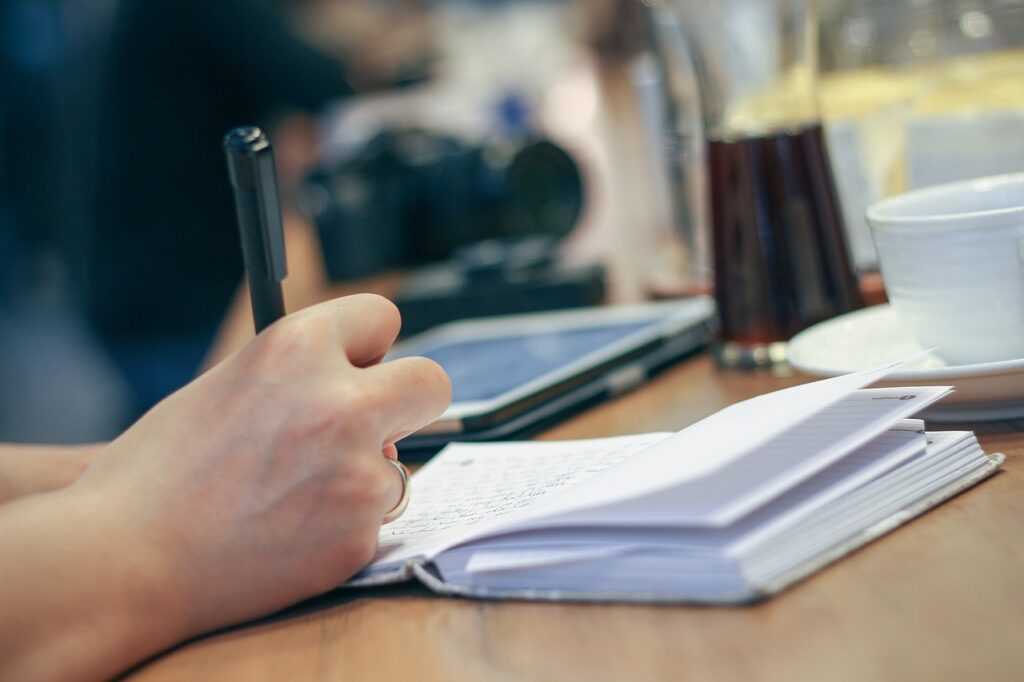
A good Notebook looks simple on the shelf, yet the wrong one can make daily writing feel messy, cramped, or oddly tiring. If you are comparing everyday stationery for school, work, study, or planning, the Upyueping stationery collection is a useful starting point for matching paper products with real writing habits. The best choice is not always the thickest cover or the prettiest design. It is the notebook that fits your pen, your bag, your desk space, and the way you actually take notes on a busy day.
This guide breaks the choice into practical parts: size, binding, page layout, paper feel, durability, and value. It also uses public data where it helps. For example, the Deloitte 2026 Back-to-School Survey, conducted from May 22 to May 29, 2026 with 1,207 U.S. parents of K-12 children, reported that school supply spending was expected to stay flat while families stuck closer to required lists. That tells a simple story: people still buy notebooks, but they want fewer mistakes and better value.
What Makes a Notebook Worth Buying?
A notebook earns its place in your bag when it removes small daily annoyances. It should open without a fight, take ink without ugly bleed-through, survive corners getting bumped, and give you enough pages for the job. A cute cover is nice, no shame in that, but the real test happens after two weeks of use.
Paper That Fits Your Pen
Your pen decides more than many buyers expect. Ballpoint pens work on almost any paper, while gel pens, rollerballs, and fountain pens need better surface control. If paper is too thin or too absorbent, ink can feather, show through, or stain the next page. For general school and office notes, many buyers find 70 to 80 gsm paper practical. For heavier gel ink or sketching, thicker paper usually feels safer. The goal is not luxury; it is clean writing you can read later.
Binding That Matches Your Bag
Binding affects comfort. Spiral notebooks fold back and sit flat on small desks, which helps in classrooms and meetings. Sewn or case-bound notebooks look neater for records, journals, and project logs. Glue-bound pads are quick and affordable, but pages may loosen if you bend them often. If you carry a notebook in a backpack with a water bottle, snacks, cables, and maybe one forgotten receipt from last month, choose binding that can take pressure.
Covers That Survive Daily Handling
Cover material matters when the notebook moves around. A hardcover protects pages and feels stable on your lap. A softcover saves weight and slips into a crowded bag. Poly covers resist splashes better than standard card covers, but some buyers prefer paper-based covers for a cleaner, more traditional stationery feel. Match the cover to the environment. A desk notebook can be elegant. A school notebook needs to be tougher.
Which Notebook Size Should You Choose?
Notebook size shapes how you think on the page. Large pages invite full notes and diagrams. Smaller pages push you to write short points. International paper sizes also matter for buyers serving different markets. ISO 216, last reviewed and confirmed as current by ISO in 2021, specifies A and B series trimmed paper sizes for administrative, commercial, and technical use. In plain terms, A4 and A5 are not random labels; they follow a global sizing system.
A4 for Full Class Notes
A4 works well when you need space. It is useful for school subjects with formulas, vocabulary tables, meeting notes, training sessions, or project planning. You can divide a page into sections without feeling boxed in. The trade-off is carry weight. An A4 notebook with many sheets can feel bulky by Friday, especially if you already carry textbooks or a laptop.
A5 for Meetings and Journals
A5 is the middle-ground favorite for many office users and daily writers. It fits most bags, gives enough room for action lists, and still feels personal. For trade customers, A5 often makes sense as a general-purpose format because it can serve students, office staff, journaling buyers, and promotional gift sets. It is also easier to store on shelves than large-format notebooks.
Pocket Sizes for Quick Lists
Pocket notebooks are not for full lectures. They are for quick capture: a phone number, a stock count, a reminder, a measurement, or a sudden idea while standing in a hallway. Choose rounded corners if the notebook goes in a pocket. Choose a firmer cover if it will be used in warehouses, shops, gyms, or outdoor events.
How Do Page Layouts Change the Way You Write?
Page ruling is not just decoration. It changes speed, order, and even mood. A student writing fast notes does not need the same layout as a designer sketching packaging ideas. A manager building a weekly task list may want more structure than a journal writer. Exact open, primary data for global notebook sales by ruling style is not publicly available in a clean source; most precise ranking claims sit in paid market reports, so treat them carefully unless the method is shown.
Lined Pages for Fast Notes
Lined notebooks are the safest choice for school, meeting notes, language learning, and daily writing. Lines keep handwriting straight, which helps when you review notes days later. Wide ruling suits younger students or larger handwriting. Narrow ruling gives more words per page, but it can feel crowded if you write quickly. When in doubt, lined pages sell because they solve the most common writing job.
Grid Pages for Planning and Tables
Grid pages suit numbers, charts, habit trackers, technical notes, and small sketches. They help you draw straight boxes without reaching for a ruler. For math, science, logistics, and inventory work, grids often feel more useful than lines. A 5 mm grid is common because it balances writing and drawing, though smaller grids can look cleaner for detailed planning.
Dotted Pages for Flexible Thinking
Dotted pages feel lighter than grids but still guide the hand. They work well for bullet journaling, mind maps, product ideas, and mixed notes. If you dislike heavy printed lines, dots are easier on the eye. They also photograph well for people who share notes or planning pages online, which is a small but real modern buying detail.
Is a Hardcover Notebook Better Than a Spiral Notebook?
Hardcover and spiral notebooks solve different problems. There is no universal winner. The right answer depends on where you write, how often you tear pages out, and whether the notebook is a temporary tool or a record you want to keep.
Hardcover for Long Term Records
A hardcover notebook feels more formal. It suits journals, project records, meeting books, travel notes, and client-facing use. Because the cover protects the block better, pages stay cleaner over time. If you want one notebook to last several months and still look presentable, hardcover is a good pick. It also feels better when writing away from a desk.
Spiral for Flat Desk Writing
Spiral binding is practical. It lies flat, folds back, and handles fast classroom writing. Left-handed writers often like top-bound spiral pads because the coil does not press into the hand. The weak point is the wire or plastic coil. Low-quality coils bend, snag inside bags, and make the notebook look worn before the pages are full.
Softcover for Light Daily Carry
Softcover notebooks are easy to carry and often cost less. They are good for short courses, temporary projects, trade show notes, and daily lists. The lighter body also helps when buyers purchase notebooks in bulk for schools, offices, or events. Just check corner strength and cover thickness. A softcover that is too thin can curl quickly.
What Paper Details Matter More Than the Cover?
Paper is where the user experience lives. Two notebooks can look similar from the outside and feel completely different after one page of writing. If you sell, source, or buy notebooks in volume, ask for paper samples and test them with the actual pens your customers use. That five-minute test can prevent a lot of returns.
Weight and Bleed Resistance
Paper weight, often shown as gsm, tells you the mass per square meter. It does not tell the whole story, but it gives a useful clue. Higher gsm paper usually feels thicker, though coating, fiber, and finish also affect ink behavior. For school use, moderate paper weight keeps costs and bulk down. For premium journals, thicker paper supports a better writing feel and reduces show-through.
Smoothness and Drying Time
Very smooth paper feels pleasant, but wet ink can dry more slowly. Slightly toothy paper grips pencil and ballpoint better. If your customer base uses gel pens, test dry time by writing a line and swiping after five seconds. It is a simple shop-floor test, not a laboratory method, but it catches many problems quickly.
Perforation and Page Removal
Perforated pages are helpful for assignments, meeting handouts, and shared notes. But weak perforation can tear too early. Strong perforation should remove cleanly only when pulled with intent. For office pads, page removal matters. For journals or long-term records, fixed pages may feel more secure.
How Can You Buy Notebooks with Better Value?
Value is not just the lowest shelf price. A cheap notebook with poor paper can waste pages. A premium notebook may be too expensive for short-term school use. Good buying means matching quality to use, then checking the cost per usable page.
Price per Usable Page
Divide the price by the number of sheets you will actually use. If heavy bleed-through makes you write on only one side, a 100-sheet notebook acts like a 50-sheet notebook. Suddenly the bargain is not so cheap. For school lists, compare sheet count, paper weight, and binding strength before choosing the lowest price.
Seasonal Buying and School Lists
Back-to-school buying is list-driven. Deloitte 2026 data shows parents planned flat spending on school supplies while clothing spending rose and tech spending fell. The conclusion is useful for notebook buyers: families still need basic paper goods, but they are paying attention. Clear packs, simple formats, and reliable page counts are easier to choose than confusing assortments.
Sustainability Claims with Proof
Sustainability matters, but vague claims are not enough. The U.S. Environmental Protection Agency reported that paper and paperboard made up 67.4 million tons of U.S. municipal solid waste in 2018, with about 46 million tons recycled, a 68.2 percent recycling rate. FSC Global Consumer Recognition Study data also reported that 62 percent of consumers who recognize FSC say they would choose an FSC-certified product over an equivalent non-certified one. For notebooks, that points to a clear buying lesson: recycled content, certified fiber, and plain packaging claims should be easy to verify on the product or carton.
FAQ
Q1: What Is the Best Notebook Size for Everyday Use? A: A5 is often the easiest everyday size because it fits bags well and gives enough space for lists, meeting notes, and journaling. Choose A4 if you need full class notes or diagrams.
Q2: Is 70 gsm Paper Good for a Notebook? A: Yes, 70 gsm paper can work well for pencil and ballpoint writing. If you use gel pens, markers, or fountain pens, test for bleed-through or choose thicker paper.
Q3: Are Spiral Notebooks Better for Students? A: Spiral notebooks are great for students who need pages to lie flat or fold back. For long-term records, a sewn or hardcover notebook may last better.
Q4: What Page Layout Should You Pick? A: Pick lined pages for fast writing, grid pages for charts and numbers, and dotted pages for flexible planning or bullet journaling.
Q5: How Do You Know If a Notebook Is Good Quality? A: Check paper feel, ink bleed, binding strength, cover stiffness, page count, and whether the notebook still feels comfortable after ten minutes of real writing.