What Pen Gear Should You Choose for School, Office, and Everyday Writing?
Why Does the Right Pen Gear Matter?
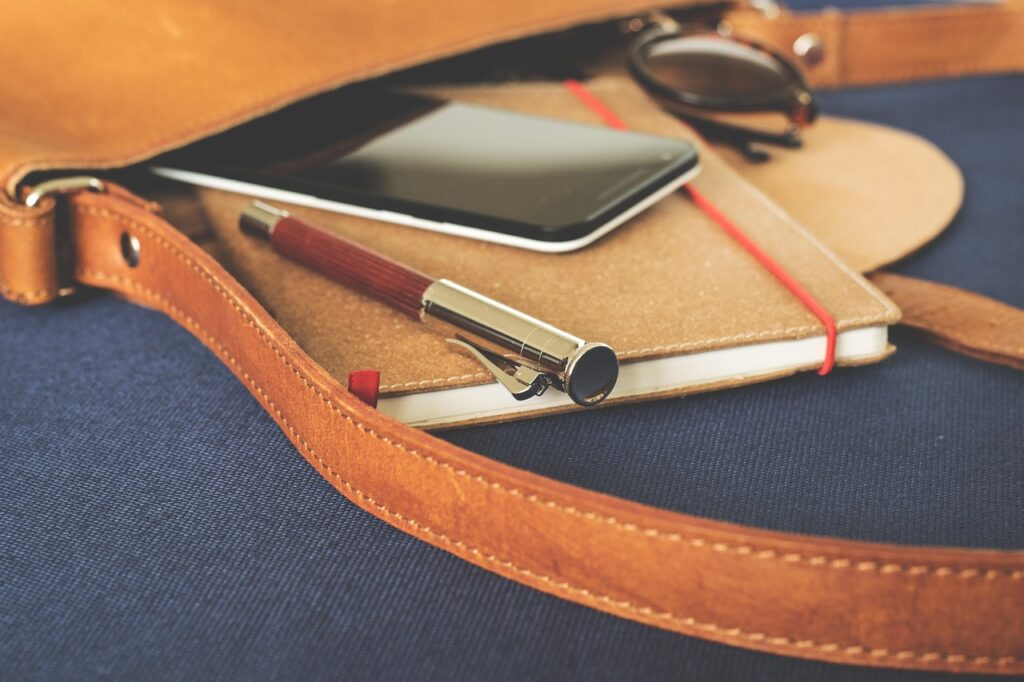
Good pen gear is more than a small item on a desk. It affects writing speed, page neatness, and hand comfort during a long class, meeting, or packing shift. If you are checking common daily options, start with the main range of pens and writing gear before spending time on rare inks or collector models.
Handwriting Still Has a Job
Digital tools are common now, but pens are still bought in large volume for school, office work, labeling, signatures, study notes, and quick planning. Numerator reported in August 2024 that 72.9% of surveyed U.S. households with K-12 students planned to buy pens and pencils for back-to-school, even as student device use kept growing. The point is clear enough for buyers: screens have not removed daily writing. They have only changed where and when people pick up a pen. (numerator.com)
Small Comfort Issues Add Up
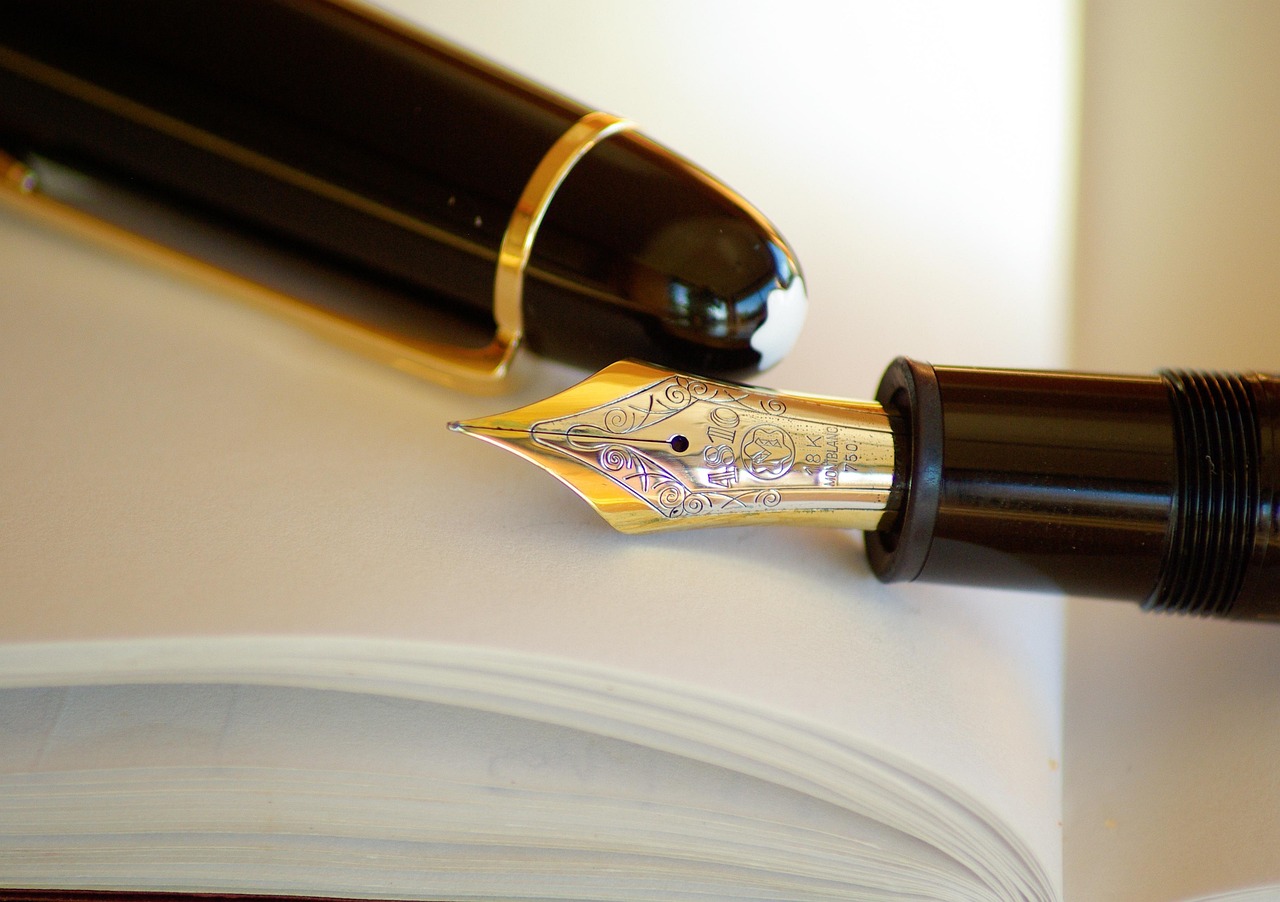
A rough tip may not bother anyone during a quick signature. After 40 minutes of notes, the same pen can become a real irritation. Grip diameter, ink drag, barrel weight, and tip size all matter because the hand repeats the same movement many times. A softer grip or smoother refill can make a low-cost pen feel better, while a heavy metal pen may be fine for signing documents but tiring for lecture notes.
Value Beats Fancy Packaging
Fancy boxes can help online sales, but the best daily pen is still the one people use without thinking about it. Circana noted in 2024 that value remained a key factor in office supply purchases and forecast the average selling price for office supplies to decrease by nearly 2% that year. For pen buyers, this supports smart bundles, refills, and steady basic models. Paying only for decoration is harder to justify when the pen is used every day. (circana.com)
Which Pen Type Fits Your Daily Work?
Before choosing colors or barrel styles, match the pen type with the job. A pen used on shipping labels needs different features from one used in a reading journal. No single pen is best for every case, and that is normal. A small mixed kit is often more useful than one high-priced do-it-all pen.
Ballpoint for Low-Mess Routine Notes
Ballpoint pens use thicker oil-based ink, so they work well on copy paper, forms, and quick signatures. They usually dry fast and are easy to carry in bags. If you write on receipt paper, school worksheets, or basic notebooks, ballpoints are safe choices. The downside is the writing feel, since some models need more pressure, so choose a medium-smooth model if you write for long periods.
Gel Pens for Dark Lines and Fast Reading
Gel pens give strong color with less pressure. They are often used for planners, study headings, checklists, and color coding because the line is easy to see. Smearing is the main weakness. A 0.5 mm gel tip often gives a better balance between dark lines and dry time than a very wet 0.7 mm tip. If your hand moves across fresh ink, test one page before buying a large pack.
Fountain Pens for a Slower, Personal Feel
Fountain pens fit journals, letters, sketch notes, and writers who like a smooth nib with light pressure. They are not as convenient on rough paper or for quick classroom lending, though. Pen Chalet’s May 2026 guide points to dry time, wet ink, broad nibs, coated paper, and hand position as common reasons fountain pen ink smears. A fine nib and practical paper can fix many of those issues. (penchalet.com)
What Specs Should You Check Before Buying?
Pen listings often lead with color, but the specs are what decide daily use. Check tip size, grip, ink type, refill style, and paper fit. These five points prevent many bad purchases, especially when buying for a team, school store, or wholesale order.
Tip Size Controls Line and Dry Time
Fine tips, such as 0.38 mm or 0.5 mm, make neat lines for small handwriting and tight notes. Medium tips, such as 0.7 mm, often feel smoother and leave darker marks. Broad tips look bold, but they can bleed or smear more, especially with gel and fountain pen ink. For mixed users, 0.5 mm or 0.7 mm is usually the safer starting point.
Grip Shape Changes Hand Fatigue
A triangular grip can help guide finger placement. A round grip works with more writing styles. Soft rubber helps when the hand gets tired, but very sticky grips can pick up dust in pencil cases. For office orders, choose a grip that feels normal to most users instead of one with a very strong shape. It may sound plain, but plain products often get fewer complaints.
Ink Flow Needs the Right Paper
Ink and paper work together. Smooth paper can make a pen feel easy to use, but it may also slow dry time. Absorbent paper dries faster, yet it can leave fuzzy lines. The better buying method is to test the pen on the paper you use in real work. School notebooks, warehouse labels, planner pages, and copy paper do not behave the same way.
How Should Students and Offices Build a Practical Kit?
A useful kit does not need twenty pen styles. It needs enough choice to cover real tasks without filling a drawer with unused stock. Think by role: one pen for daily writing, one for bold marks, one for correction or color, and one backup.
A School Kit That Survives Busy Weeks
For students, pack two black or blue ballpoints, two gel pens for readable notes, one red or purple pen for checking work, and one high-contrast marker for labels. Numerator also found that 83% of parents or guardians said children were involved in choosing school supplies for the 2024 season. This matters because students are more likely to use supplies they like. The final choice still has to fit the budget, but user preference should not be ignored. (numerator.com)
An Office Kit for Meetings and Forms
Office kits should focus on clean, quick-drying ink. Choose blue or black ballpoints for signatures, a few darker gel pens for meeting notes, and permanent markers for folders or cartons. Avoid slow-drying ink near shared forms. A smudged shipping document or contract page looks careless, even when the pen itself is not a bad product.
A Desk Kit for Journals and Planning
For planning, add color but keep the set under control. Three colors are usually enough: black for main notes, blue for tasks, and one warm color for deadlines. A fountain pen can make journal writing feel slower and calmer, but it should not be the only pen on the desk. Keep a basic ballpoint nearby for glossy sticky notes and quick phone messages. See also: Gift Guide.
What Do Market Data Say About Pen Buying?
Public data will not tell you which exact pen to buy, and no reliable public source gives one universal count for every pen sold worldwide by model. Even so, market reports show why practical, well-priced pen gear still matters. Buyers pay attention to price, school timing, online convenience, and known brands.
Price Sensitivity Is Real
Numerator reported that 52% of surveyed parents or guardians named getting back-to-school items at the best possible price as their top priority, and 69% said they shop during sale events. For sellers and bulk buyers, this supports clear value packs, simple refill information, and honest product descriptions. A customer may still pay more, but the reason has to be easy to understand. If the benefit is not clear, price usually wins. (numerator.com)
Back-to-School Still Moves Pens
Circana described back-to-school as a key time for office supplies, while also forecasting a 2.6% Q3 2024 office supply revenue decline. That mixed signal is useful for trade buyers. Demand is still seasonal, but competition is tougher because tech purchases, reuse, and online promotions affect the basket. Pen gear that looks current, has useful colors, or comes in clean bundles has a better chance than loose basic stock with no clear angle. (circana.com)
Brand Claims Need Context
Big brands shape buyer expectations, but market share does not mean one product fits every hand. BIC’s April 2026 investor presentation, citing Euromonitor 2024 and company estimates, placed BIC as number one in ball pens and number two in total stationery, with about 8% market share in value. This shows the strength of simple, mass-market pens. It still leaves room for checking tip feel, paper match, and local buyer habits before placing an order. (mediabic.bic.com)
How Can You Care for Pen Gear So It Lasts?
Care is not difficult. Most pen problems come from heat, dust, poor storage, or the wrong refill. A few basic habits keep the kit clean and ready. They also cut waste because fewer half-used pens end up forgotten in drawers.
Store Pens Based on Ink Type
Ballpoints can usually lie flat. Gel pens often work better when capped and kept away from heat. Markers should stay capped tightly, and dual-tip markers may need horizontal storage so both ends stay usable. Do not leave pens in a hot car. Heat can thin ink, cause leaks, and bend or warp plastic barrels.
Clean Fountain Pens Before Problems Grow
Fountain pens need more care than disposable pens, but the routine is simple. Rinse the nib and feed with clean water when changing ink or when flow feels weak. Let the parts dry before refilling. Avoid craft ink, India ink, or calligraphy dip ink in a fountain pen unless the maker clearly says it is safe for that pen.
Replace Refills Before the Last Drop
A pen that skips during a meeting is not a major problem, but it is still annoying. Keep refills for your main pen style and replace them when the line turns pale or uneven. For shared offices, label refill types in one drawer. It saves time, and nobody has to guess from tiny refill codes.
FAQ
Q1: What Pen Gear Should a Beginner Buy First? A: Start with a smooth 0.5 mm or 0.7 mm ballpoint, a quick-drying gel pen, and one colored pen for marking. This small set covers most school, office, and home tasks.
Q2: Are Gel Pens Better Than Ballpoint Pens? A: Gel pens usually look darker and feel smoother, while ballpoints dry faster and work on more paper types. The better choice depends on your paper, writing speed, and smudge risk.
Q3: What Tip Size Is Best for Everyday Writing? A: A 0.5 mm tip is good for neat small writing, while 0.7 mm feels smoother for many users. If buying for a group, 0.7 mm ballpoints and 0.5 mm gel pens are safe picks.
Q4: Why Does My Pen Smudge on Planner Paper? A: Planner paper is often smooth or coated, so ink can sit on the surface longer. Try a finer tip, faster-drying ink, or a ballpoint for pages that get touched soon after writing.
Q5: How Many Pens Should You Keep in a Daily Kit? A: Three to five pens are enough for most people: one main pen, one backup, one color pen, one bold marker, and one task-specific pen such as a fountain pen or permanent marker.