Pen eraser guide for ink, pencil, and precision corrections
What a pen eraser really means
A pen eraser is not a single product category. In stationery searches, the term usually refers to one of two tools: the erasing end built into an erasable-ink pen, or a slim pen-style eraser made for pencil and graphite corrections. The first changes the appearance of special ink through friction and heat. The second physically lifts graphite from the paper with a narrow, controlled eraser tip.
The right choice depends on the mark, the paper, and whether the writing must remain permanent. If you are comparing everyday writing tools, browse our Pen section for related pen topics.
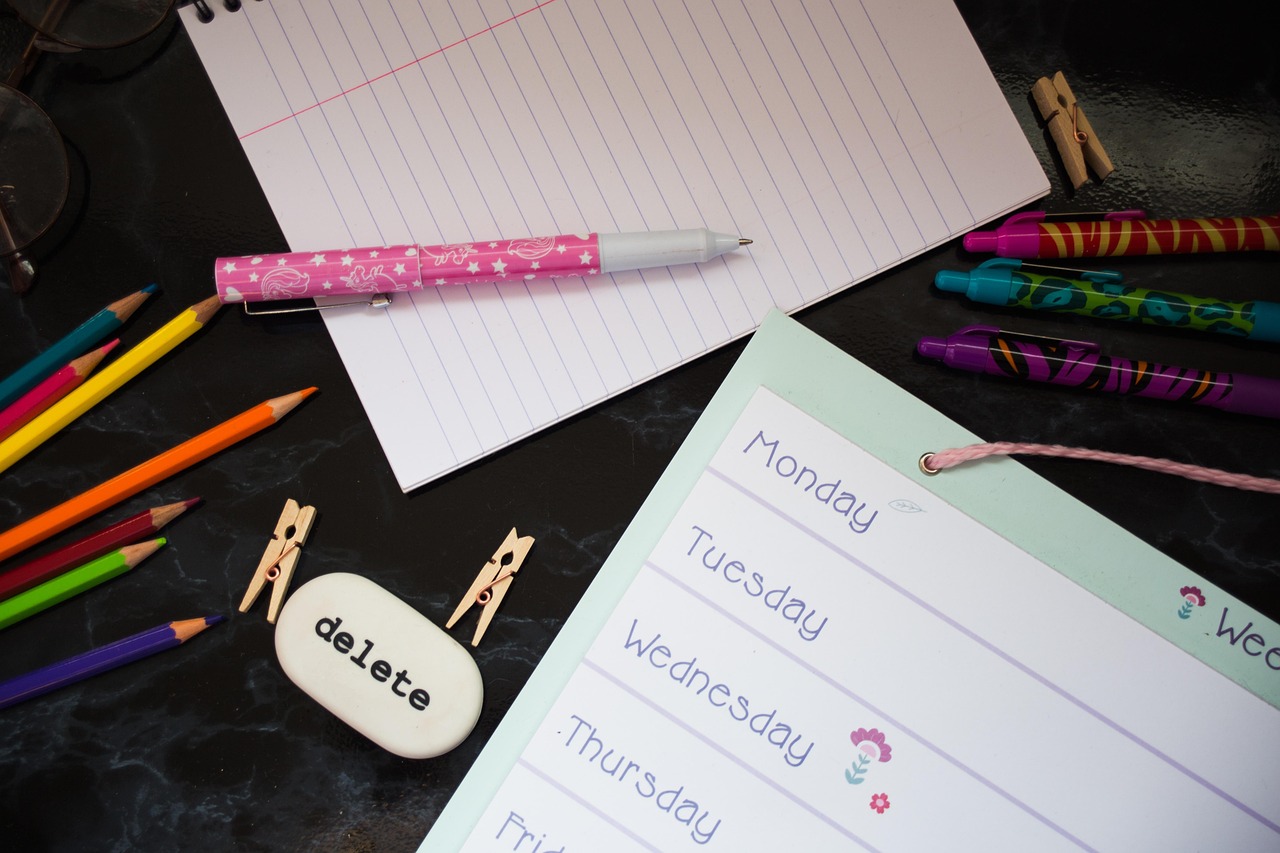
The main limitation is straightforward: no pen eraser can reliably erase every type of ink. Standard ballpoint, gel pen, rollerball, marker, and fountain pen lines are generally intended to stay on paper. Some abrasive erasers can lighten ink, but they may also roughen, thin, or tear the sheet. For clean correction, match the eraser to the writing system instead of expecting one tool to fix every mistake.
Eraser on an erasable-ink pen
Erasable-ink pens, including well-known thermo-sensitive models, usually have a rubber-like end cap or tail piece. This part is often called an eraser, although it does not work like a pencil eraser. It does not scrape ink away. Rubbing generates heat, which makes the special ink become invisible. This is useful for notes, drafts, planners, flashcards, classroom writing, and other pages where changes are expected.
Pen-style eraser for pencil marks
A pen-style eraser is a refillable or retractable eraser housed in a slim barrel. It looks like a pen, but it contains eraser material instead of ink. Artists, students, designers, and technical drawing users choose these tools because the small tip can remove a letter, highlight, construction line, or graphite edge without clearing a large area. Tombow, Staedtler, Pentel, Kokuyo, and other stationery brands offer variations in round, rectangular, block, holder, and refillable formats.
How erasable pen ink disappears
The key difference between erasable ink and ordinary ink is chemistry. Pilot’s public FRIXION materials describe a thermo-sensitive ink system using microcapsules that react to temperature. When the ink is rubbed with the pen’s erasing tip, friction raises the temperature. At around 60°C or slightly above, the color becomes invisible. Pilot also states that under very cold conditions the erased color may begin to return, with fuller reappearance around -20°C.
This explains both the appeal and the limitation of an erasable pen eraser. It can make writing disappear cleanly without eraser crumbs, but the ink has not been removed in the same way graphite is removed. Heat, cold, and certain paper types can affect the result. Pilot’s own product guidance warns against using thermo-sensitive erasable ink on official documents or addresses and notes that it may not erase properly on thermal or specialty papers.
For everyday use, erasable pens are well suited to working notes but a poor choice for permanent records. Do not use them for checks, contracts, signed forms, certificates, legal paperwork, shipping labels, medical notes, archival journals, or any page that may sit in a hot car, near a heater, in direct sun, or close to heat-producing equipment.
Pen eraser types compared
Because the phrase pen eraser covers several tools, a side-by-side comparison helps prevent mismatched purchases. The table below focuses on practical use rather than marketing names.
| Type | Best use | What it actually removes | Main limitation |
|---|---|---|---|
| Erasable-ink pen eraser | Notes, planners, study drafts, worksheets | Thermo-sensitive erasable ink from the same writing system | Not suitable for permanent documents; heat and cold can affect the mark |
| Pen-style plastic eraser | Small pencil corrections, math work, sketch details | Graphite and colored-pencil marks to varying degrees | Does not erase normal pen ink; small tips wear faster |
| Precision micro eraser | Highlights, fine art details, technical drawing cleanup | Very small graphite areas | Less efficient for large mistakes |
| Sand or abrasive eraser | Lightening some ink marks or removing surface stains | Top paper fibers plus part of the mark | Can damage paper and should be used cautiously |
| Correction tape or fluid | Covering permanent ink mistakes | Does not erase; it covers the mark | Visible layer, limited rewritability depending on product and pen |
For most users, the practical choice is either an erasable pen for non-permanent writing or a pen-style eraser for pencil work. Abrasive erasers and correction products solve specific problems, but they are not direct substitutes for either category.
How to choose a pen eraser
Start with the mark on the page. If it was made with thermo-sensitive erasable ink, use the eraser tip designed for that pen system. If it is graphite, choose a plastic, vinyl, polymer, or specialty pencil eraser in a pen-style holder. If the mark is permanent ink, decide whether the better solution is to cover the mistake, rewrite the page, or leave a visible correction.
Tip size and shape
Fine tips are useful for small corrections. A round tip works well for dots, curves, and small letter cleanup. A rectangular tip gives a sharper edge for straight lines, boxes, ruled notes, and technical drawing. Tombow’s MONO zero, for example, is publicly described as a high-precision eraser for pinpoint erasing and is offered in very narrow round and rectangular formats.
Not every user needs a micro tip. For elementary homework, general office notes, or repeated corrections over a wider area, a slightly larger eraser holder may be faster and more durable.
Paper sensitivity
Thin notebook paper, recycled paper, tracing paper, receipts, thermal labels, and coated stationery can respond differently to rubbing. Test in a corner before correcting an important page. Heavy pressure can polish the surface, leave a shiny patch, wrinkle fibers, or make new ink feather when you write over it. A light touch repeated several times is usually safer than one aggressive pass.
Refills and long-term cost
A pen-style eraser is most practical when refills are easy to find. Check whether the eraser core is proprietary, how many refills come in a pack, and whether the holder advances smoothly without wobble. For school, studio, or office use, refill availability matters more than decorative barrel design. A holder that cannot be refilled becomes waste quickly once the eraser core is used up.
Residue and cleanup
Some erasers create loose crumbs, while others gather residue into larger strands or leave less visible debris. For planners, notebooks, and desks, low-residue behavior is helpful. For drawing, residue should lift cleanly without smearing graphite back across shaded areas. Brush crumbs away with a clean hand, drafting brush, or tissue instead of dragging them through the drawing. See also: Gift Guide.
Where a pen eraser works well and where it does not
A pen eraser works best when correction is part of the process. Students can revise notes, language learners can update vocabulary cards, and planner users can move appointments without messy crossing out. Artists can refine sketch outlines, lift highlights, clean margins, or correct a single construction line. Office workers can draft layouts, seating plans, and meeting notes without making every mark permanent.
It works poorly when the document must remain stable. Erasable ink should not be treated like archival ink. Heat exposure can make thermo-sensitive ink disappear, and cold exposure may cause erased marks to reappear. For permanent handwriting, use a conventional ink pen and correct mistakes with a clear editorial method, such as a single strike-through, initials where required, or a fresh copy. For mailed addresses and labels, use ink intended to remain legible during handling, storage, and temperature changes.
For ink already on the page, be realistic. A sand eraser may reduce an ink mark by abrading the paper surface, but it can also create a rough area that catches new ink. Correction tape is often cleaner for forms and office drafts because it covers the mistake instead of damaging the sheet. On premium stationery, rewriting may be the cleanest option.
Labels, safety, and material points to check
Stationery safety is not only about performance. If the eraser will be used by children, check the age label, cap design, removable parts, and refill size. The U.S. Consumer Product Safety Commission publishes guidance on small parts and choking hazards for children’s products. Even when ordinary writing materials are treated differently from toys in some rules, small removable caps and tiny refills should still be kept away from children who may mouth objects.
For art and classroom materials, ASTM D4236 is a label standard often seen in the United States. It concerns precautionary labeling for chronic health hazards in art materials; it is not a performance guarantee and does not prove that an eraser will work on every paper or pigment. If a product is marketed for children, schools, or art rooms, look for clear labeling from the manufacturer rather than relying on color, scent, or novelty design.
Material claims also matter for buyers with preferences or sensitivities. Some erasers are labeled latex-free, phthalate-free, PVC-free, recycled-plastic content, or low-dust. These terms are product-specific, so check the package or manufacturer’s product page. Do not assume that all white erasers share the same composition or that all pen-style erasers use the same refill material.
A simple testing checklist before important use
- Identify the mark: thermo-sensitive ink, graphite, colored pencil, permanent ink, marker, or printer toner.
- Test on a spare area or similar paper before working on the final page.
- Use light pressure first, then repeat only if the paper surface stays intact.
- Let the area cool and settle before writing over an erased erasable-ink mark.
- Brush eraser crumbs away instead of rubbing them across the page.
- Keep erasable-ink notes away from high heat, direct sunlight, car dashboards, radiators, and thermal laminators.
- Use permanent ink for addresses, signatures, checks, legal forms, archival records, and documents that must remain readable.
This checklist is especially useful for mixed stationery setups. A planner page, for example, may contain erasable pen, pencil, stickers, highlighter, and printed ink. Each material responds differently, so one eraser cannot safely handle all of them.
Frequently asked questions
Can a pen eraser erase normal ballpoint ink?
Usually no. A pen eraser on an erasable-ink pen is designed for that specific thermo-sensitive ink. A pen-style pencil eraser is mainly designed for graphite. Normal ballpoint or gel ink may fade slightly with abrasion, but trying to erase it often damages the paper before the ink fully disappears.
Why does erased erasable pen writing leave a faint mark?
Several causes are possible: heavy writing pressure, paper indentation, incomplete heating from light rubbing, absorbent paper, or residue from other inks. The colored ink may become invisible, but the physical groove made by the pen tip can remain on the page.
Can erased thermo-sensitive ink come back?
For some erasable ink systems, yes, under very cold conditions. Pilot’s public explanation of FRIXION ink says erased color can begin to return below about -10°C and more fully around -20°C. Everyday users may never experience those temperatures, but this is one reason not to use erasable ink for permanent records.
Which pen-style eraser tip is practical for small handwriting?
A narrow round or rectangular tip is practical for small handwriting because it can target one letter or number at a time. For larger homework corrections, a wider refillable holder may be faster. The right choice depends on whether precision or speed matters more.
Is a pen eraser the same as correction tape?
No. A pen eraser removes a mark or makes it disappear. Correction tape covers a mark with an opaque layer. Correction tape is often better for permanent ink mistakes, while pen erasers are better for erasable ink or pencil marks.
Bottom line
The best way to understand a pen eraser is to separate appearance from removal. An erasable-ink pen eraser makes special ink invisible through heat. A pen-style eraser removes pencil marks with a controlled eraser tip. Abrasive erasers and correction tape solve different problems and should be used with care. Once you know the writing material, paper type, and permanence requirement, choosing the right pen eraser is straightforward.