Is a Gold Pen Worth It for Gifts, Work, and Daily Writing?
Is a Gold Pen Still a Smart Choice?
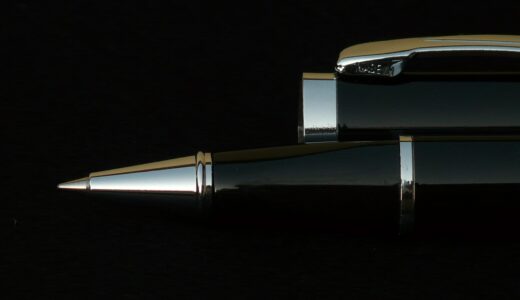
A gold pen still fits well on a desk, in a meeting folder, or inside a gift box. It looks businesslike without being too loud, and it makes a signature feel a little more prepared. If you are checking different styles, review the Pen collection before you choose a finish, writing system, or gift set.
A Small Tool with a Formal Signal
A gold pen gives a different message from a disposable plastic pen. It shows that the user has put some care into the setting, whether it is a contract signing, a thank-you card, or a client meeting.
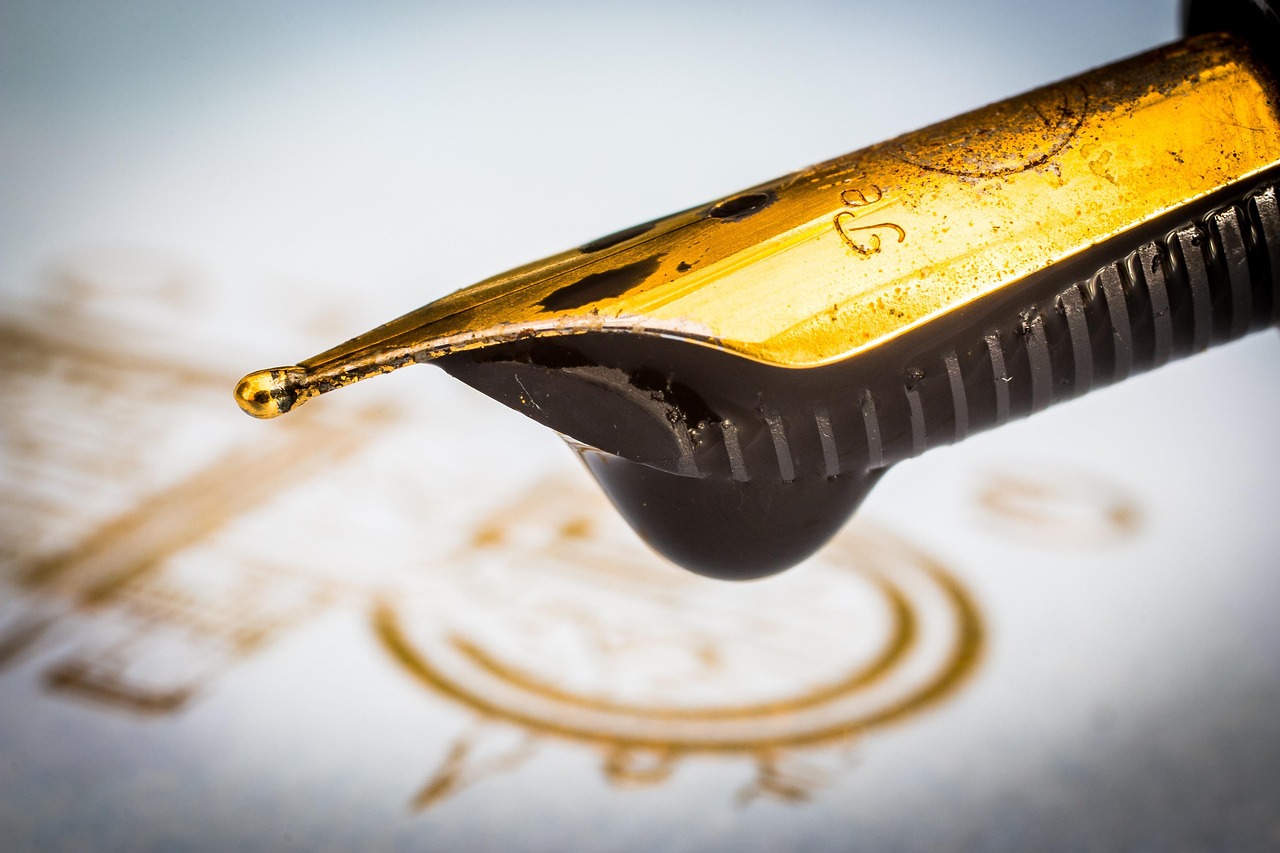
This is a small detail, but in business it can still matter. People may not comment on the pen, yet they often notice when the table setup looks prepared.
A Market That Still Values Writing
Public market data shows that pens are still in demand. Grand View Research reported in January 2024 that the global writing instruments market was expected to reach USD 23.94 billion by 2030, with a 4.4% CAGR from 2024 to 2030; it also said pens led revenue share in 2023. (marketresearch.com)
The point is simple for buyers and suppliers. Even with phones and laptops everywhere, schools, offices, brands, and gift buyers still order writing tools because they remain useful in daily work.
The Best Fit for Real Use
The right gold pen should match how the user writes. A heavy pen may feel good for one signature, but it can feel tiring after a few pages of notes.
A slim pen may look neat, though it may not suit larger hands. In practice, the best choice is the one people keep using without thinking much about it.
What Makes a Gold Pen Different from a Gold Colored Pen?
Gold can mean different things in stationery. It may refer to solid gold parts, gold plating, gold-tone lacquer, gold trim, or a gold nib. Product names are not always clear, so it is worth reading the material notes instead of judging by color alone.
Solid Gold Means a Karat Mark
When a product claims real gold content, the karat wording matters. The U.S. Federal Trade Commission explains that solid gold items should carry a karat mark such as 14K or 18K, and it advises buyers to look for a trademark near that quality mark. (consumer.ftc.gov)
Pens are not always sold in the same way as jewelry, but the checking habit is still useful. Look for the material description from the seller, not only a gold color in the photo.
Gold Filled and Gold Plated Have Different Wear Rates
Plating can look good, but the thickness and daily use decide how long the surface stays clean. The FTC notes that gold electroplate refers to at least 10 karat gold with a minimum thickness of 0.175 microns applied by an electrolytic process, while gold filled, gold overlay, and rolled gold plate describe a layer of at least 10 karat gold mechanically applied to base metal. (consumer.ftc.gov)
In plain terms, a gold plated pen can still be a solid option. Before paying more for it, ask what finish is used and how it will hold up with normal handling.
Gold Color Can Be Decorative Only
Many pens use gold-tone lacquer, brass, PVD-style coatings, or colored metal parts. There is nothing wrong with that if the product description says it clearly.
A decorative gold finish can also make sense for bulk gifts or daily carry. If the pen is often kept in a bag with keys and coins, a lower-cost finish may be easier to accept and replace.
Which Writing Type Should You Choose?
The writing system affects daily use more than the color. A good-looking pen that skips, smears, or dries out in a drawer soon becomes a display item. Start with the refill or nib, then choose the gold finish around it.
Ballpoint for Meetings and Travel
A ballpoint gold pen is a safe choice for work bags, reception desks, and business travel. It writes on common office paper, does not smear easily, and usually needs little care.
Choose this type when the pen may be passed around during forms, invoices, or short notes. It is also easier for office teams because refills are often simple to manage.
Rollerball for Smooth Signatures
A rollerball feels smoother because the ink flows more freely. It works well for signatures, cards, and short notes where a darker line looks better.
The tradeoff is easy to understand. Rollerball ink can dry faster, and it may bleed on cheap paper, so keeping a spare refill nearby is a good habit for a work kit.
Fountain Pen for Slow, Personal Writing
A fountain pen feels more personal than a ballpoint or rollerball. It needs better paper and a slower hand, but it can make writing feel steady and controlled.
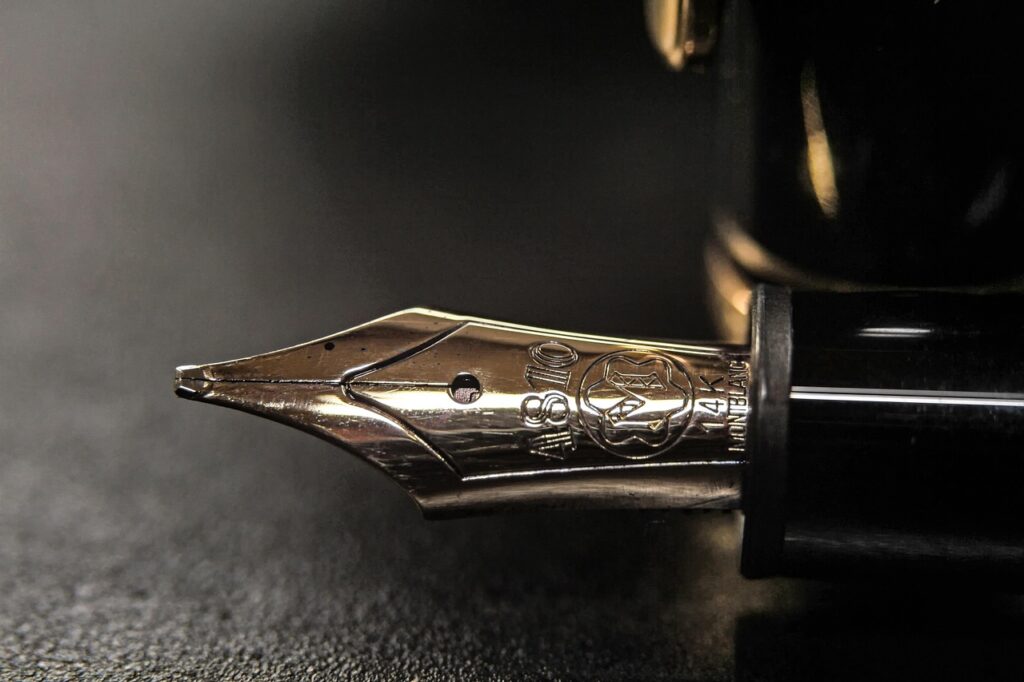
Gold nibs are common in the premium fountain pen world. For example, Visconti describes its Giotto and Giottino nibs as 18-karat and 14-karat gold nibs, which shows how gold can be both a material choice and a sign of pen making quality. (visconti.it)
How Should You Judge Quality Before Buying?
Good quality is not only about price. You can check a pen in a few minutes by looking at balance, trim, refill access, and small moving parts. A pen may look costly in a photo but still feel awkward after ten lines.
Weight Balance and Grip Comfort
Hold the pen where your fingers naturally rest. The front should not feel too heavy, and the back should not pull away from the page.
A medium-weight pen often works well for mixed office use. If the grip is glossy metal, write with it for a few minutes to see whether it becomes slippery.
Clip, Cap, and Barrel Details
Check the clip and cap closely before buying. A firm clip should return to its place without bending out, and a capped pen should close cleanly without a rough click or loose feel. See also: Gift Guide.
For twist pens, the mechanism should move smoothly. Rough movement is often an early warning, even before the finish starts to show wear.
Refill Availability and Ink Cleanliness
A nice pen becomes a problem if refills are hard to find. For office use, common refill formats are usually the better choice.
Before gifting, test the pen for ink blobs, skipping, and scratchy starts. A gift pen should be ready to write, not something the receiver has to fix first.
Is a Gold Pen a Good Business Gift?
A gold pen works well as a business gift when it feels useful and not overdone. It fits promotions, employee milestones, graduation gifts, and client thank-you packages. The key is restraint because too much shine or oversized branding can make the gift feel cheaper than it is.
A Professional Message Without Loud Branding
Choose a clean gold finish with a small logo or no logo. For corporate use, light engraving on the cap or barrel is usually enough.
A procurement buyer or account manager may use the pen every week if it feels suitable for work. A large logo often has the opposite result and puts the pen in a drawer.
Personalization That Still Looks Clean
Names, dates, and initials can turn a pen into a keepsake. Keep the engraving short so the pen still looks neat in the hand.
A full slogan on a slim pen can look crowded. For awards, a name and year often work better, while the gift card can carry the longer message.
Packaging That Protects the Moment
Packaging matters because the first few seconds shape the receiver’s view of the gift. A rigid box, soft lining, and refill note make the set feel complete.
If the pen ships internationally, add protection around the box as well. A crushed corner is a small issue, but it can spoil the handover quickly.
How Can You Care for a Gold Pen So It Lasts?
Gold finishes stay in good condition when they avoid friction, strong chemicals, and messy storage. The care routine is not difficult. Most damage comes from keys, desk clutter, hand lotion, sanitizer, and ink left to dry in the wrong place.
Simple Cleaning After Daily Carry
Wipe the barrel with a soft dry cloth after use, especially if your hands had lotion or sanitizer on them. This helps remove marks before they sit on the surface for too long.
Avoid abrasive cloths and strong cleaners. For plated or lacquered finishes, gentle cleaning is safer than hard polishing.
Storage Away from Abrasion
Store the pen in a sleeve, box, or single pocket. Do not keep it loose with coins, keys, or metal tools.
If it travels in a briefcase, a simple pen loop can prevent most scratches. It is basic advice, but it works well in daily use.
Refill and Nib Care
Replace ballpoint and rollerball refills before they become dry and scratchy. This keeps the pen writing cleanly and avoids pressure on the tip.
For fountain pens, flush the nib with clean water when changing ink colors or after long storage. Do not press hard to force ink flow, because a bent nib can create more trouble than a new refill ever would.
FAQ
Q1: Is a Gold Pen Good for Everyday Writing? A: Yes, if the weight, grip, and refill suit your hand. For daily office use, a ballpoint or rollerball gold pen is usually easier than a fountain pen.
Q2: Does a Gold Pen Always Contain Real Gold? A: No. Many gold pens use gold-tone finishes or plated trim. Check for karat marks, material details, or clear seller notes before assuming real gold content.
Q3: Is a Gold Nib Better Than a Steel Nib? A: Not always. A well-made steel nib can write very well. Gold nibs may feel softer, but tuning, tip shape, and paper quality also matter.
Q4: What Is the Best Gold Pen for Business Gifts? A: A medium-weight ballpoint or rollerball with a clean finish, reliable refill, and neat gift box is the safest choice for most business gifting.
Q5: How Do You Keep a Gold Pen from Scratching? A: Store it in a sleeve or box, keep it away from keys and coins, and wipe it with a soft cloth after use. These small habits help protect the finish.