Is a Glue Pen the Best Adhesive for Clean Paper Crafts?
What Is a Glue Pen Used for?
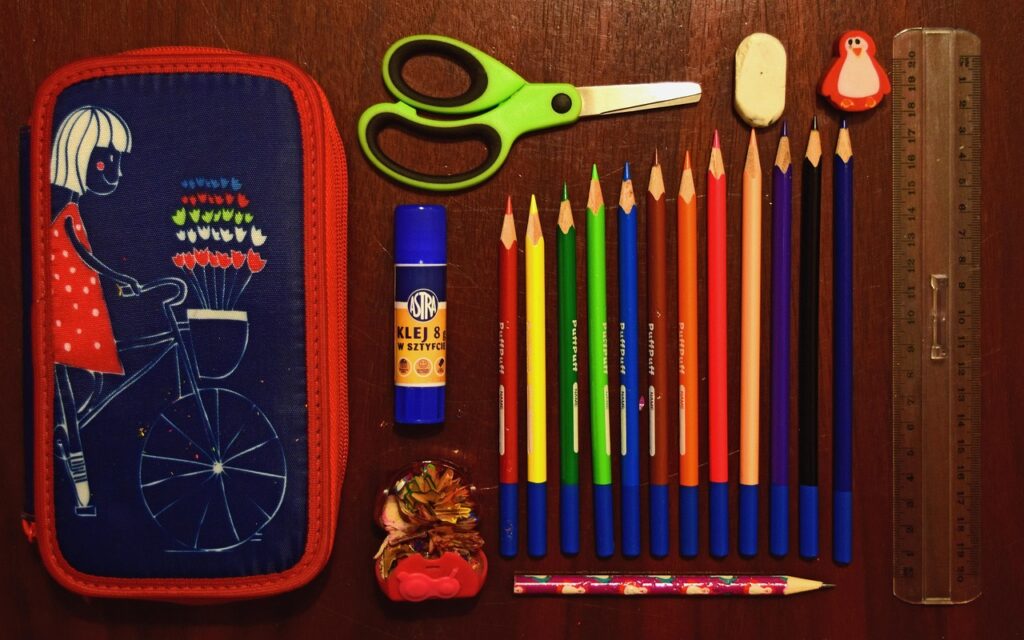
A glue pen is a small adhesive tool for paper, card, labels, die cuts, photos, and other light craft materials. If you are putting together a school, office, or craft stationery range, it sits well beside writing tools in the Pen category because many buyers look for small handheld stationery items in the same order. It feels like a pen in the hand, but instead of ink, it puts down a thin glue line or small glue dot.
Demand also follows the wider stationery habit. Fortune Business Insights reported in July 2026 that the global stationery products market was valued at USD 165.87 billion in 2025 and was projected to grow to USD 173.93 billion in 2026. There is no reliable public market figure only for glue pens, so it is better to keep the view practical: glue pens are a small but useful add-on inside a large, steady stationery category. (fortunebusinessinsights.com)
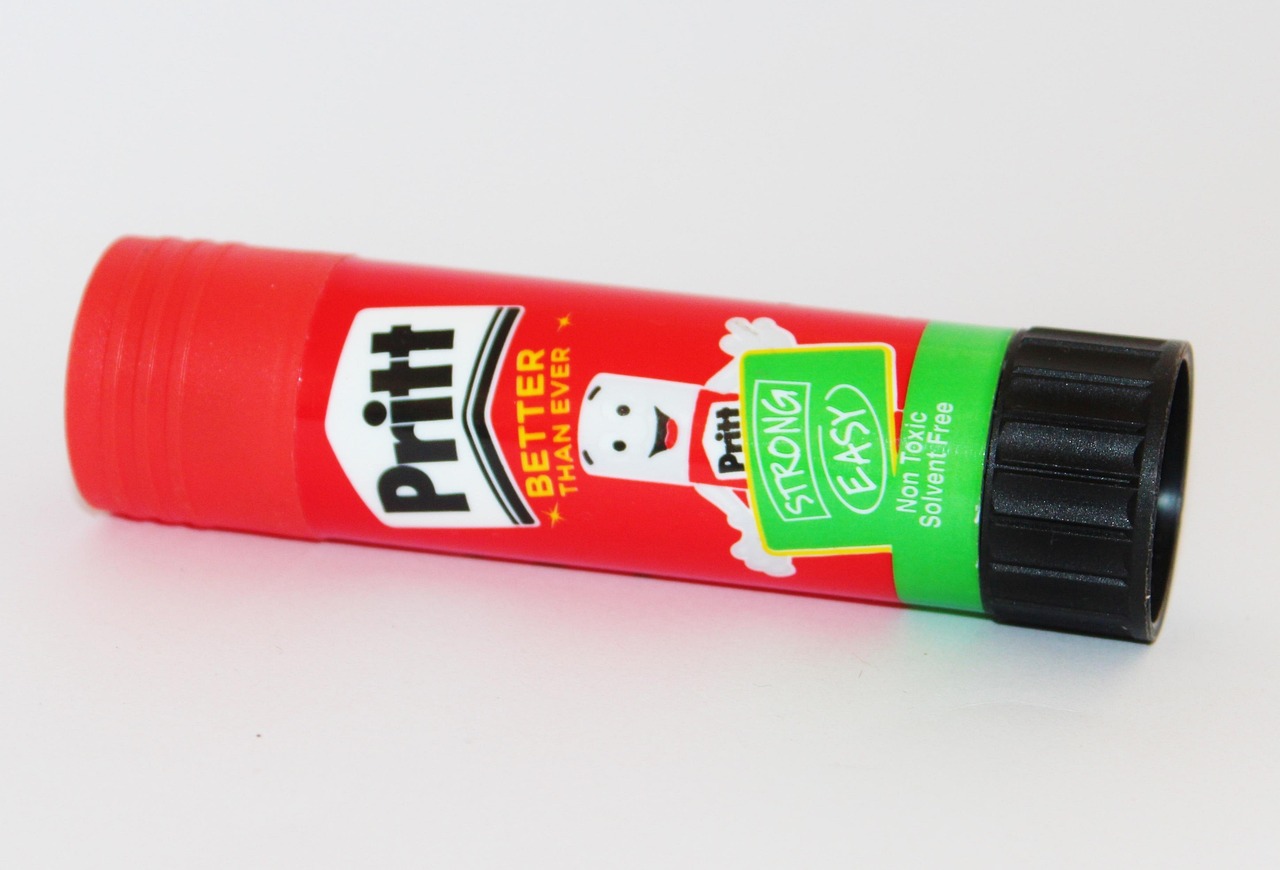
Fine Paper Crafting
For handmade cards, paper flowers, quilling strips, planner stickers, and die-cut lettering, a glue pen helps users place adhesive only where it is needed. A regular glue stick can catch the paper edge and leave a cloudy mark, while bottle glue can put too much glue on a small corner. A pen tip gives better control, mainly on parts smaller than a postage stamp.
School Project Assembly
For classroom posters, lapbooks, science fair labels, and cut-and-paste homework, students need something easy to hold and not too wet. A glue pen is not made to replace every bottle of school glue, but it can make small parts easier to fix in place. Parents also like it for last-minute project nights, especially when a label has to go on straight at 9:40 p.m.
Office Labeling and Samples
In an office, a glue pen can help with mockups, envelope samples, catalog tabs, presentation boards, and light packaging checks. It is a basic desktop item, but it saves time when tape looks too thick or a stapler looks untidy. For sales teams that still send paper swatches or sample cards, clean edges matter more than people often say.
Why Can a Glue Pen Beat a Glue Stick for Detail Work?
A glue stick is fast, low-cost, and useful for large paper areas. A glue pen is better when the job is narrow, curved, or easy to stain. Think about thin ribbon borders, punched stars, small paper labels, or vellum corners. One adhesive is not always better than the other. The buying point is simple: which tool leaves less mess for that exact job.
Narrow Lines Stay Cleaner
A fine-tip glue pen can follow a line almost as narrow as a drawn border. This helps when users attach decorative strips or small shapes. Less glue outside the edge means less cleanup later, and it also keeps the finished piece looking neat. That matters for greeting cards, retail display boards, and student projects sent home to parents.
Small Dots Control Moisture
Paper wrinkles when too much wet adhesive sits in one spot. A glue pen lets users add small dots instead of one heavy patch. This matters on thin copy paper, origami paper, and lightweight colored sheets. For coated paper, a test is still needed because slick surfaces can slow drying and reduce grip.
Less Waste on Tiny Parts
Small paper pieces do not need a wide strip of glue. Using less adhesive helps each pen last longer and cuts down on cleanup time. It also lowers the chance of glue drying on the cap, desk, or fingertips. For bulk stationery buyers, this small point can affect repeat orders because users remember tools that stay clean.
Which Glue Pen Type Should You Choose?
Glue pens may look similar on a shelf, but the formula and tip design can change how people use them. When comparing samples, buyers should not ask only about color, size, and carton quantity. Ask how the glue flows, how it dries, and whether it is for permanent or temporary bonding. These three points cause most of the complaints when they are not checked early.
Liquid Roller for Smooth Lines
A roller-style glue pen works well for straight lines and quick strips. It feels close to writing, so new users usually learn it fast. It is a good choice for office use, school kits, and card-making packs. The risk is uneven flow if the roller is weak, so sample testing should include long lines, short strokes, and slow curves.
Squeeze Tip for Stronger Dots
A squeeze-tip glue pen gives users more control over the amount of glue. It is useful for dots, corners, thicker cardstock, and small embellishments. It may need a softer bottle body and a cap that seals properly. If the tip clogs after a few uses, buyers will hear about it quickly, even if the first sample looked fine.
Two Way Formula for Temporary or Permanent Hold
Some glue pens use a two way formula. When parts are pressed together while the adhesive is wet, the bond becomes more permanent. When the glue dries first, it can work like a repositionable tack. This is useful for stencils, layout planning, and temporary notes, but the packaging has to explain it in plain words. If users do not understand it, they may think the product is defective.
What Safety and Label Details Matter for Buyers?
Safety wording is not just extra text on a blister card. Glue pens may be sold for crafts, school projects, or art use, so the label can matter in many markets. In the United States, the Consumer Product Safety Commission says all art materials, including glue such as white craft glue, must meet the Labeling of Hazardous Art Materials Act rules where applicable. ASTM D-4236 is the main label standard many buyers check. (cpsc.gov)
ASTM D-4236 Labeling
ASTM International describes D-4236 as a practice for developing precautionary labels for art materials based on scientific and medical knowledge about chronic health hazards. In simple terms, the formula needs a proper review, and the label needs the right warnings when they are required. For wholesale orders, ask the supplier for the exact label artwork. Do not rely on a quick verbal promise. (store.astm.org)
AP or CL Seal Checks
The Art and Creative Materials Institute says its AP and CL seals identify products reviewed by a board-certified toxicologist and labeled as non-toxic or with proper caution details. That seal can help buyers sort school and art supplies, but it does not replace your own market compliance checks. If a product claims certification, verify the product name and brand details before you print a catalog or sales sheet. This is easier to fix before production than after goods arrive.
Age Grade and Small Parts Review
A glue pen for older students is not automatically suitable for younger children. Caps, removable tips, and packaging parts can change the age grade review. Check whether the product is marketed to children 12 and under, sold in a craft kit, or placed in a general office range. That decision affects the documents you should request from the manufacturer. See also: Gift Guide.
How Should You Test a Glue Pen Before Bulk Orders?
Before buying cartons, test the product like a normal user, not like someone looking at a sample table. Use cheap copy paper, colored cardstock, coated labels, kraft paper, and one premium sheet. Keep the test simple and repeat it three times. A good-looking sample can still fail after cap-off time, rough shipping, or one week in a warm storeroom.
Paper Wrinkle Check
Apply a 5 cm line, a small dot, and a filled corner on each paper type. Let the sheet dry flat for 30 minutes, then check curling, stains, and shine marks. Thin paper will show problems quickly. If the glue line stays raised or glossy, it may be acceptable for kids’ crafts but not the best choice for premium cards.
Dry Time and Bond Test
Dry time claims can vary because paper weight, room humidity, and glue amount all change the result. A simple test works well: press two pieces together after 10 seconds, 60 seconds, and 5 minutes. Then peel after 30 minutes and again after 24 hours. Record whether the paper tears, releases cleanly, or slides.
Shelf Life and Leak Test
Ask for shelf life under normal storage, then test how well the cap seals. Leave one pen horizontal and one pen tip-down for 72 hours. Check leakage, dried tips, and cap threads. For importers, also ask about inner box packing, barcode placement, carton drop resistance, and temperature limits during sea freight. Glue does not draw attention until it leaks, and then everyone notices.
What Should You Check for Scrapbooks, Photos, and Premium Paper?
Scrapbook and photo users are careful for a good reason. A photo album is not a one-week craft project, and people expect it to last for years. The Library of Congress advises careful attachment methods for scrapbooks and albums, including non-adhesive options such as acid- and lignin-free photo corners in preservation contexts. So, a glue pen can be useful, but it needs to match the job. (loc.gov)
Acid-Free Claims Need Proof
If the product is sold for scrapbooking, acid-free claims should appear on the specification sheet or test documents. Do not treat the phrase as just a sales word. Acidic materials can discolor paper over time. For premium channels, buyers may also ask about lignin-free and photo-safe use, especially for album kits.
Photo-Safe Use Has Limits
Even when a glue pen is labeled photo-safe, direct adhesive on valuable original photographs is not always the right choice. For family archives, museum-style storage, or rare prints, corner mounts or sleeves are usually safer. For everyday scrapbooks, printed photos, and school memory books, a tested photo-safe glue pen can still be practical. The main point is to match the adhesive to the value of the photo.
Storage Conditions Change Results
Heat, moisture, and dust can change how glue flows and dries. Store pens capped, away from direct sun, and in a stable room. For retail, choose packaging that protects the tip and shows the usage method clearly. A small instruction icon on the back card can prevent many complaints.
FAQ
Q1: Is a Glue Pen Better Than a Glue Stick? A: It is better for small pieces, lines, dots, and neat edges. A glue stick is still faster for large paper areas.
Q2: Can You Use a Glue Pen on Photos? A: Yes, if the product is labeled photo-safe and tested first. For valuable original photos, use photo corners or sleeves instead of direct glue.
Q3: What Does ASTM D-4236 Mean on a Glue Pen? A: It means the art material labeling follows a standard practice for chronic health hazard review and warning information where needed.
Q4: Why Does Paper Wrinkle After Using Glue? A: Too much wet adhesive can soak the fibers. Use smaller dots, thinner lines, or a drier formula, and test on the same paper before a large project.
Q5: What Should Bulk Buyers Check First? A: Check flow, cap sealing, dry time, bond strength, label compliance, carton packing, and proof for any claims such as non-toxic, acid-free, or photo-safe.