How Do You Choose the Best Pen for School Office and Bulk Orders?
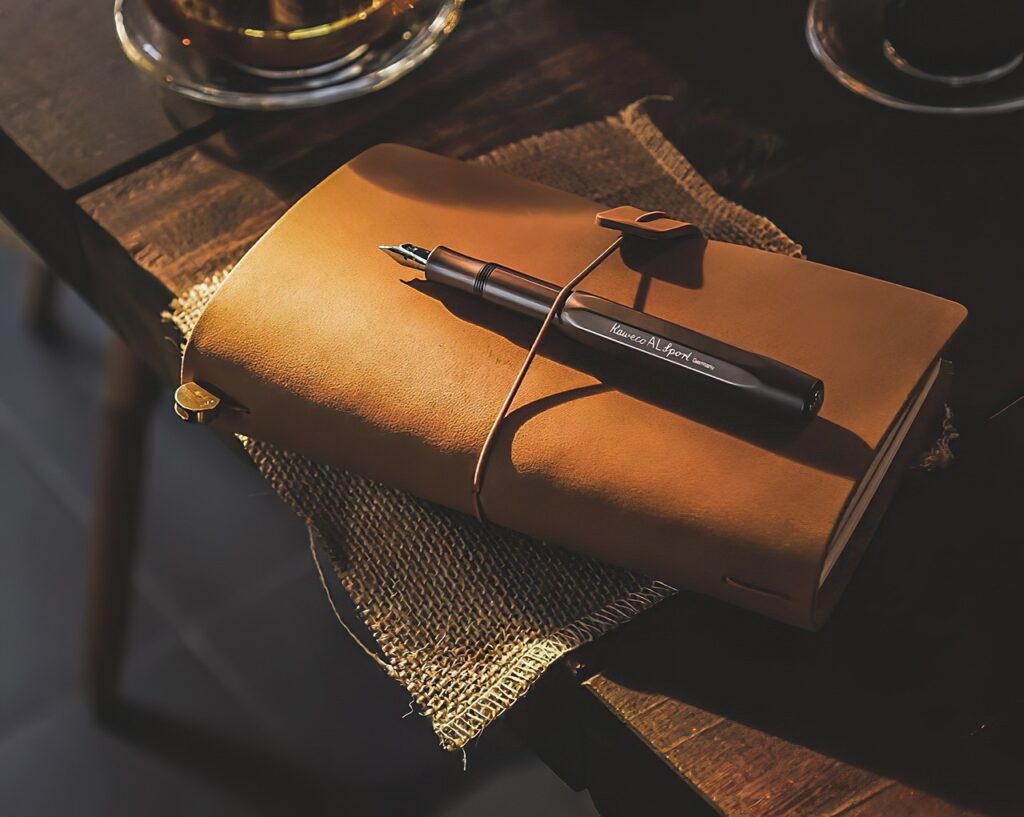
How Do You Know a Pen Still Belongs on Every Desk?
A good pen still earns its place on a desk because it works almost anywhere. It can sit in a classroom, a warehouse, a reception area, a trade show booth, or a home office, and it does not need charging, pairing, or software updates. If you are checking everyday stock for school, office, retail, or promotional use, this pen collection is a useful starting point. The right choice comes down to how people write in real work, not only how the pen looks in a catalog.
Daily Writing Jobs
Start with the job the pen has to do. A student needs fast notes and clear homework lines, while a cashier needs a pen that starts quickly on receipts. A clinic front desk may need blue or black ink that stays easy to read on forms. A branded giveaway should feel decent in the hand because a scratchy pen can make a logo feel cheap. It is a small item, but buyers and users notice it.
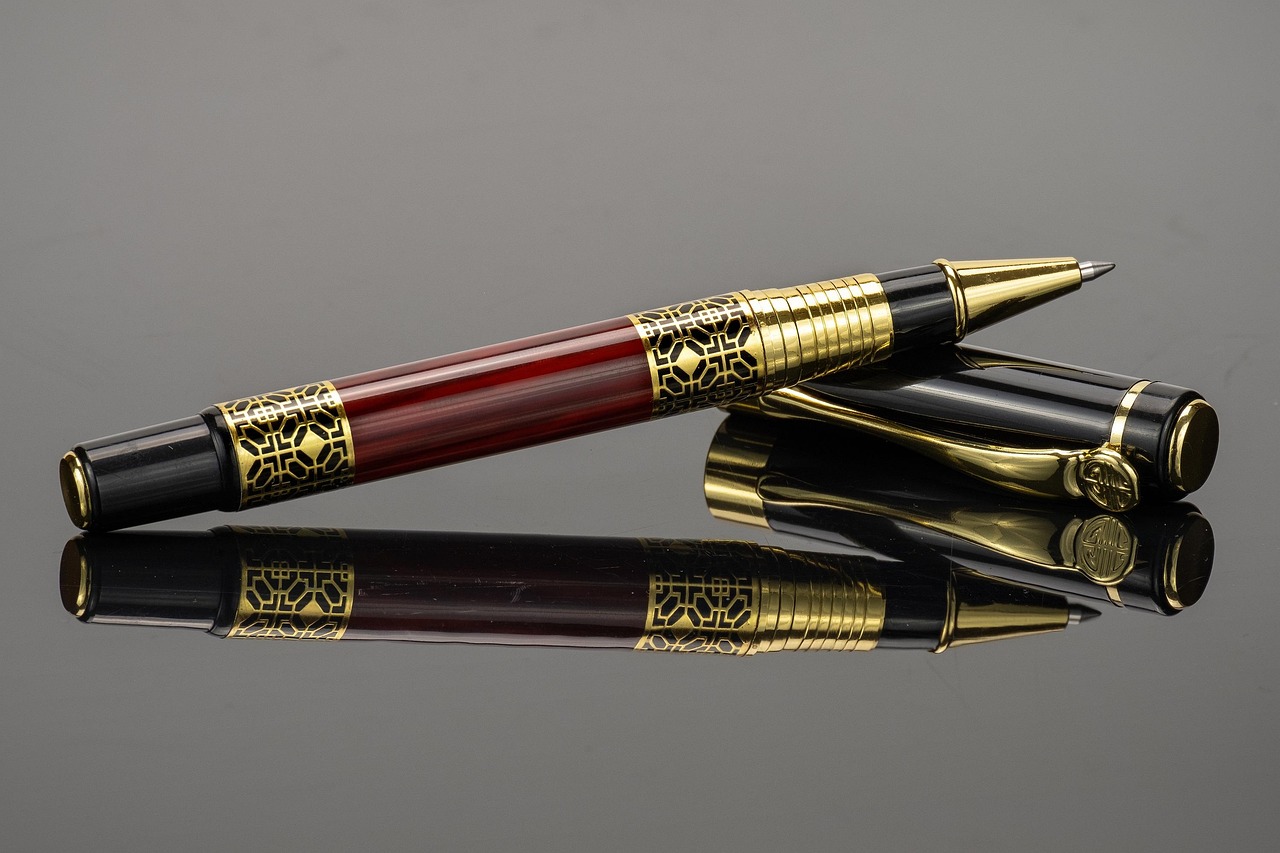
Market Demand That Refuses to Fade
Writing tools are still a steady category, even with more digital work. Grand View Research estimated the global writing instruments market at USD 19.2 billion in 2025 and projected USD 27.8 billion by 2033. The same report said pens led the product segment with a 36.3% revenue share in 2025. For importers, distributors, and bulk buyers, that points to stock that can keep moving when the range is planned well. (grandviewresearch.com)
Handwritten Notes That Still Earn Their Place
Handwriting research is mixed, so it is better not to make big learning claims. A 2021 Psychological Science replication found laptop note takers wrote more words and more verbatim phrases, but the study did not support a simple claim that longhand always improves immediate learning. For daily use, the point is more basic. A pen helps when people need focus, sketches, quick edits, and fewer screen distractions. (psychologicalscience.org)
Which Pen Type Fits Your Main Use?
There is no one pen that suits every buyer. A gel pen may feel smooth in a journal but smudge on glossy forms. A strong ballpoint may look plain, yet it can handle a busy service counter. Match the ink system with the paper, writing speed, and user age before you start comparing colors, clips, or barrel shapes.
Ballpoint Pens for Steady Everyday Writing
Ballpoint pens are a safe daily choice for offices, schools, banks, and supply kits. Oil-based ink usually dries fast, writes for a long time, and works well on common copy paper. For general use, 0.7 mm or 1.0 mm tips are easy to specify. For small planners or tight form boxes, 0.5 mm can look cleaner. Some users may find the finer tip less smooth, so samples still matter.
Gel Pens for Clean Color and Smooth Lines
Gel pens feel smooth because the ink moves more freely. They work well for students who color-code notes, designers marking drafts, and staff who prefer a stronger line. The tradeoff is clear. Gel ink can run out faster, and it may need a short time to dry. If many users are left-handed, test smudge resistance before placing a 5,000-piece order.
Rollerball and Fountain Pens for Signature Moments
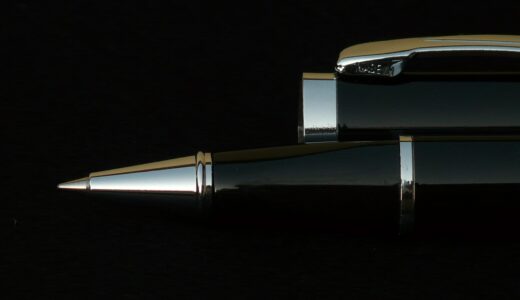
Rollerball pens give a fluid line and often feel close to a fountain pen without the same care routine. Fountain pens are a fit for gifts, journaling, and executive desks. They are not the best answer for rough daily handling. For hotel counters, conferences, and delivery paperwork, a capless retractable ballpoint is usually easier to manage.
What Should You Check Before Buying Pens in Bulk?
Bulk orders make small problems expensive. A weak clip breaks in pockets, and a barrel that looks good online may feel slippery after ten minutes. Ask for samples, write on the paper your users actually touch, and check the pen again after it sits unused for a few days. It is a plain test, but it prevents avoidable returns.
Ink Flow and Tip Size
Good ink flow should start without scribbling circles in the corner of the page. Test the first stroke, a quick signature, a slow line, and a small box fill. For most school and office packs, a medium tip gives the best balance. Extra-fine tips look tidy, but they can feel sharp on rough paper. If the pen skips during a simple sample test, it will not improve in a real office.
Grip Comfort and Barrel Weight
A soft grip is not always the better choice. Some rubber grips pick up dust or feel sticky in warm rooms. A plain round barrel may be fine for short notes. For longer writing, a triangular or slightly wider barrel can help the hand feel less tense. Weight also matters. Heavy pens may feel better at first, then feel tiring after a full meeting.
Packaging, Refills, and Shelf Life
For wholesale and trade use, packaging is part of the product. Clear counts, barcode-ready cartons, and inner packs of 10 or 12 help stock rooms stay organized. Refillable models are useful when refill supply is easy and stable. If refills are hard to source, buyers may treat the pen as disposable anyway. That makes the refill feature less useful in real selling.
How Can a Pen Support School and Office Budgets?
Price matters, but the lowest unit cost is not always the lowest real cost. A pen that skips, leaks, or cracks gets replaced early. A slightly better item may stay in use longer and reduce complaints. This is worth checking before back-to-school season, when supply lists, retail shelves, and online orders move quickly.
Back-to-School Demand Patterns
The National Retail Federation reported on July 14, 2026 that U.S. families with K-12 students planned to spend an average of USD 863.86 for back-to-school items. Total K-12 spending was expected to reach a record USD 43.3 billion. School supplies alone were projected at USD 146.45 per shopper and USD 7.3 billion total. Pens are one small part of that larger school supply basket, but they are a repeat purchase that buyers do not want to get wrong. (nrf.com)
Cost per Use Instead of Unit Price
A simple cost check works well for most pen orders. Divide the case price by the number of pens, then compare that number with expected use. If one pen writes twice as long and causes fewer returns, it may be cheaper in practice even with a higher first price. For offices, keep one reliable standard pen for daily work. Add one nicer option for guests, signatures, or meeting rooms.
Assortment Planning for Real Desks
Do not make the pen mix too complicated. A practical range can include black ballpoints for forms, blue pens for signatures, red pens for checking, and a small gel selection for planners or color notes. Too many styles make reorders messy. Too few styles leave users asking for something else. The best-selling mix is often plain, but plain stock usually turns cleanly. See also: Gift Guide.
What Safety and Quality Details Should Buyers Notice?
For pens used by adults, safety checks are usually basic. For school, art, and child-focused products, the details matter more. Product design, decoration, packaging, and claims can change how regulators or buyers view the item. If you sell into schools or children’s channels, keep the documents ready before shipment.
Ballpoint Standards for General Use
ISO 12757-1:2017 sets minimum quality requirements for ballpoint pens and refills for general use. ISO also notes that additional requirements for documentary use appear in ISO 12757-2. This does not mean every office pen needs a legal-document claim. It does give professional buyers a shared reference when discussing quality, refills, and expected performance. (iso.org)
Art Material Labeling in the United States
If a pen is sold as an art material in the United States, labeling may need more attention. CPSC guidance says consumer art materials must undergo toxicological review for chronic health effects. After review, they must bear a conformance statement such as Conforms to ASTM D-4236. This matters for markers, paint pens, craft kits, and children’s creative sets. (cpsc.gov)
Cap Design and Child Safety
Small parts rules are not as simple as many sellers expect. CPSC notes that a plain pen is generally a general-use product. Childlike decorations or play features can change the evaluation. ISO 11540 also addresses cap safety for writing and marking instruments intended for children, including cap size, ventilation, and warning needs for noncomplying caps. (cpsc.gov)
Can a Pen Be More Sustainable Without Becoming Expensive?
Sustainability in pens should stay practical. Reliable public data for global pen disposal is not consistent enough to quote here, so broad waste claims can become weak very quickly. Better buying habits are easier to defend. Choose pens people will use, reduce throwaway packaging where possible, and stock refills only when users will actually replace them.
Refillable Models That Reduce Waste
Refillable pens make sense for offices, hotels, gift programs, and executive sets where users value the pen body. They are less useful in low-control places such as school lost-and-found bins or open event tables. A refillable pen needs a refill plan. Without that plan, it becomes a nicer disposable pen, which does not solve much.
Paper and Plastic Choices in Packaging
EPA data for 2018 showed plastics generation in U.S. municipal solid waste at 35.7 million tons. Only 3 million tons were recycled, which was an 8.7% recycling rate. This is not pen-specific data, so it should not be used as a direct pen disposal claim. It is still useful background when buyers compare plastic clamshells, bulk cartons, and simpler paperboard packs. (epa.gov)
Simple Buying Habits That Lower Waste
Buy pens people like enough to keep. Avoid novelty shapes that break easily or feel awkward in the hand. Pick standard colors that match daily work, then add a small seasonal color run if there is real demand. For branded pens, print cleanly rather than loudly. A pen that sits in a cup for six months and still writes has already done more useful work than a flashy item thrown away after one event.
FAQ
Q1: What Is the Best Pen for Everyday Office Use? A: A medium-tip ballpoint pen is usually the safest office choice because it writes on common paper, dries quickly, and lasts well in shared spaces.
Q2: Are Gel Pens Better Than Ballpoint Pens? A: Gel pens feel smoother and show brighter color, but ballpoint pens usually last longer and smudge less. Choose gel for notes and color work, and choose ballpoint for forms and daily bulk use.
Q3: What Tip Size Should You Choose for School Pens? A: A 0.7 mm tip is a good middle choice for most students. It is clear enough for homework, smooth enough for quick notes, and not too bold for notebooks.
Q4: Should Promotional Pens Be Refillable? A: Refillable promotional pens work well for premium gifts. For large events, a reliable non-refillable ballpoint can be more practical if the budget is tight and distribution is broad.
Q5: How Many Pen Styles Should a Small Office Stock? A: Keep it simple. Stock black or blue ballpoints for daily work, a few red pens for checking, and a small set of smoother gel pens for staff who write longer notes.