Correction pen guide for precise paper corrections
What a correction pen is best used for
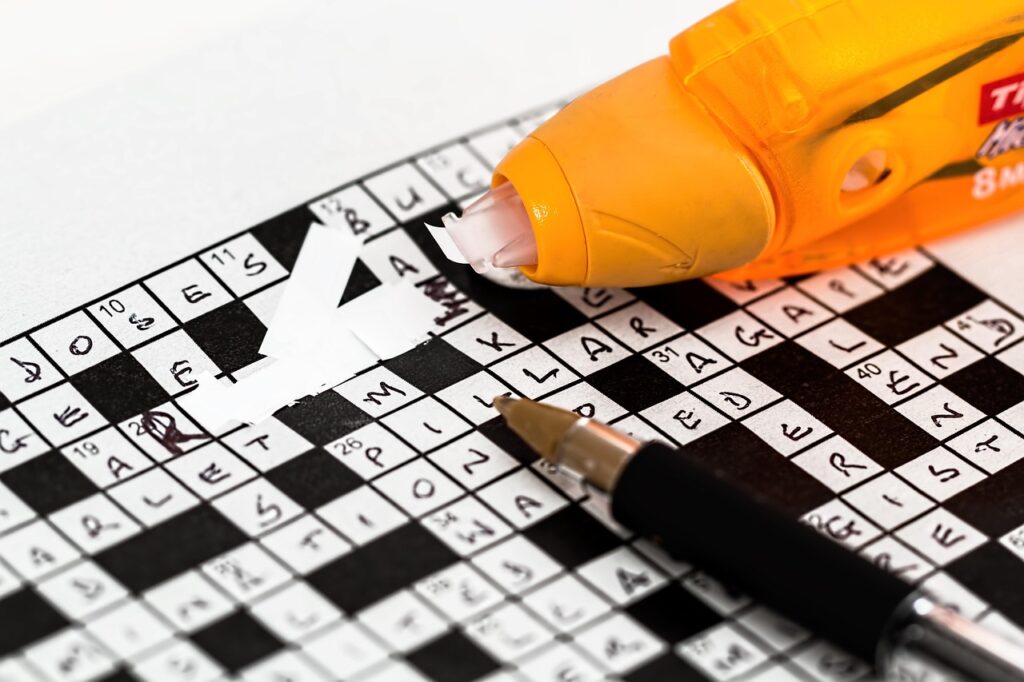
A correction pen is a pen-shaped dispenser that applies opaque correction fluid exactly where the tip is placed. It works best for small paper corrections: one wrong digit on a form, a misspelled word in handwritten notes, a stray mark in a planner, or a tight edit between printed lines. Unlike an eraser, it does not remove ink. It covers the mistake with a white coating that can usually be written over after the surface has dried.
The key benefit is control. The main limitation is that it is still a liquid product, so a clean result depends on light pressure, a thin application, suitable paper, and enough drying time. For students, office workers, journal users, and stationery buyers, the useful question is not whether a correction pen is always better than correction tape or bottled correction fluid. It is which correction tool fits the task. A correction pen is the precise option in the category, but it is not the fastest choice for long straight lines or large blocks of text.
How a correction pen works
The tip controls the flow
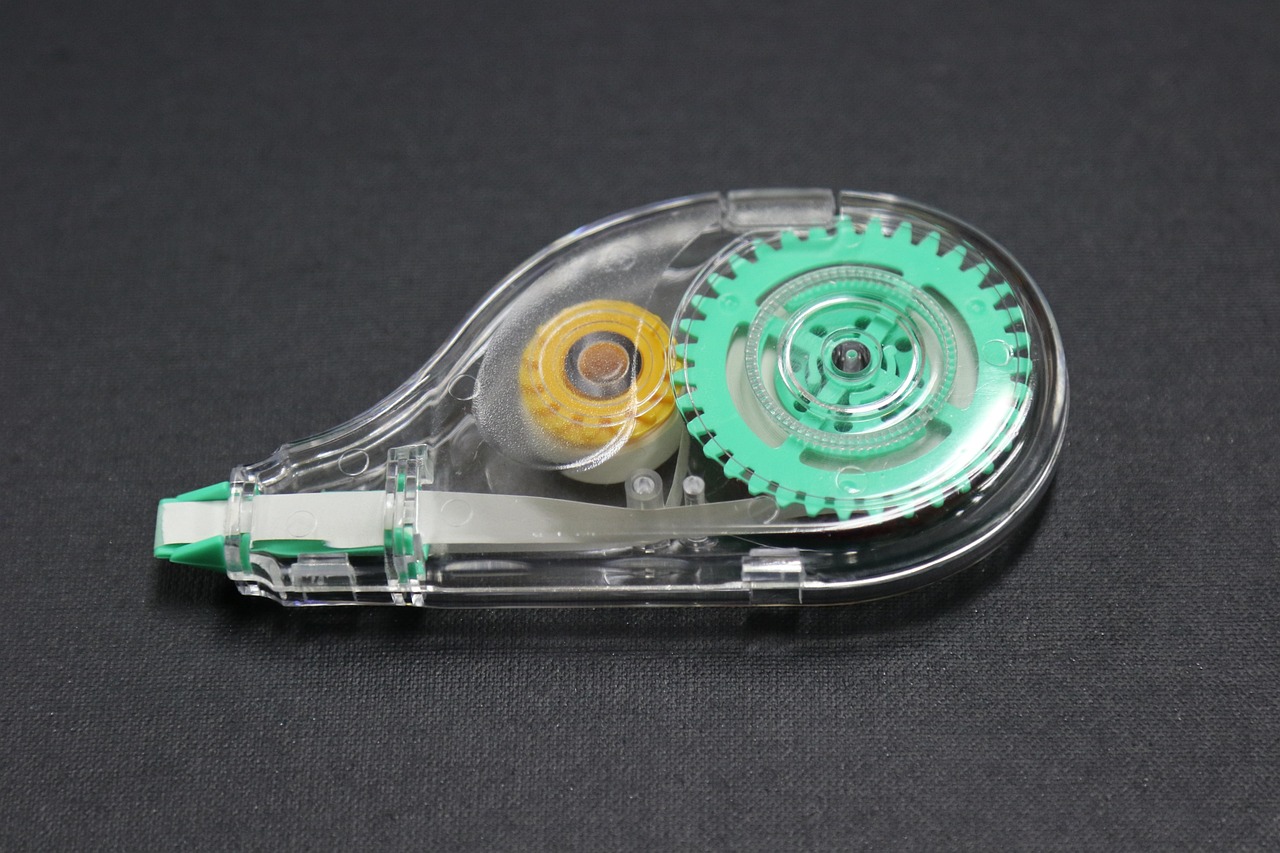
Most correction pens use a squeezable barrel and a fine metal or plastic tip. The user shakes the pen if the label instructs it, places the tip over the error, and applies gentle pressure to release the fluid. The narrow tip helps cover individual letters, punctuation, numbers, and small handwriting errors without painting over the surrounding text.
This is why correction pens remain useful even when correction tape is widely used. Tape is clean and quick, but it applies a strip. A correction pen can make a dot, a short stroke, or an irregular patch, which is helpful when the mistake is not a full line.
The coating hides ink rather than removing it
Correction fluid usually has three functional parts: an opaque white pigment, a binder that helps the dried layer stay on paper, and a liquid carrier that lets the formula flow from the applicator. Some formulas are water-based, while others are solvent-based. Water-based products may have lower odor, while solvent-based products are often chosen for quick drying and strong coverage. Actual performance varies by brand, paper, ink type, and the amount applied.
Once the liquid carrier evaporates or dries, the white layer remains. A thin, even layer is easier to write on than a thick blob. If too much fluid is used, the surface may become raised, crack, take longer to dry, or cause the next pen stroke to skip.
Correction pen vs correction tape and bottled correction fluid
Correction products may look similar on a shelf, but they solve different paper-correction problems. The table below summarizes the practical differences for everyday use.
| Correction tool | Best use | Main advantage | Main limitation |
|---|---|---|---|
| Correction pen | Small handwriting errors, forms, single letters, numbers, planner marks | High precision and controlled placement | Needs drying time and can clog if not capped well |
| Correction tape | Straight lines, typed text, notebook sentences, quick school or office edits | Dry application and immediate write-over in many cases | Less flexible on curved marks, tiny dots, or uneven handwriting |
| Bottled correction fluid | Larger marks, broad coverage, photocopy or printout corrections | Covers a wider area quickly | Less precise, higher risk of brush marks, spills, or thick patches |
If speed matters most, correction tape is often the cleaner choice because there is no liquid drying stage. If the error is tiny or irregular, a correction pen is usually easier to control. If a whole area needs coverage, bottled fluid can be efficient, although it requires a steadier hand.
The follow-up writing instrument also matters. Ballpoint pens often write over dried correction surfaces more reliably than very wet gel pens, rollerballs, or fountain pens. Wet inks can smear, bead, or take longer to dry on the corrected surface. For a notebook or planner you want to keep neat, test the correction product and the follow-up pen on a spare page first.
Safety and labeling points to check
Correction pens are common stationery items, but they should still be treated as chemical products, not toys. Use them with normal ventilation, keep caps closed when not in use, avoid contact with eyes and mouth, and follow the product label. Strong odor, flammability warnings, or caution statements should be taken seriously.
For school, craft, or youth settings in the United States, buyers may see references to ASTM D-4236, the Labeling of Hazardous Art Materials Act, or ACMI seals on some creative materials. U.S. Consumer Product Safety Commission guidance explains that art materials covered by these rules are reviewed for chronic health hazards and labeled with appropriate cautionary statements. The statement “Conforms to ASTM D-4236” is a safety-labeling signal for art materials; it is not a promise that the product will dry faster, cover better, or match every paper color.
It is also important to separate marketing language from actual use conditions. “Non-toxic” does not mean a correction pen should be used without ventilation, shared with very young children without supervision, or applied to skin. A correction pen sold as a general office product may not carry the same labeling language as an art material. When purchasing for classrooms, offices, or shared stationery kits, read the package details rather than relying only on the product name. See also: Gift Guide.
How to use a correction pen neatly
- Let the original ink dry first. Applying correction fluid over wet ink can drag color into the white layer.
- Prepare the pen according to the label. Some pens need shaking; others only need gentle squeezing.
- Start with light pressure. Too much pressure can flood the paper and create a raised patch.
- Use short strokes or dots. Build coverage gradually instead of trying to hide the entire mark in one heavy pass.
- Keep the corrected area slightly larger than the mistake. A tiny margin of coverage prevents dark edges from showing.
- Wait until the surface looks dry and matte. Dry-to-touch time can vary, especially on coated or smooth paper.
- Write over it with a suitable pen. A ballpoint is often a safer first choice than a very wet gel pen.
- Cap the correction pen immediately. A small exposed tip can dry and clog faster than a broad brush applicator.
The most common neatness mistake is using too much fluid. A thin coat may look slightly less opaque at first, but it usually dries smoother and accepts new writing better. If the old mark still shows after the first layer dries, add a second thin layer rather than one thick layer.
Common problems and practical fixes
| Problem | Likely cause | Practical fix |
|---|---|---|
| Fluid floods the page | Too much squeezing or a damaged tip | Use lighter pressure, wipe excess from the tip, and test on scrap paper before returning to the document |
| Tip feels dry or scratchy | Cap left loose or dried fluid around the nozzle | Clean only as the label allows; do not force the tip into paper fibers |
| Old ink bleeds through | Wet ink, dye-heavy ink, or an incompatible formula | Let the original ink dry longer and apply a second thin coat after the first coat dries |
| New writing skips | Corrected surface is too thick, glossy, or not fully dry | Wait longer, use lighter pressure, or switch to a ballpoint pen |
| Patch looks obvious | Paper color, texture, or sheen does not match the fluid | Accept a visible repair for drafts; for presentation pages, consider reprinting or rewriting |
Some problems cannot be fully solved by technique. Off-white notebook paper, cream planner paper, thin paper, glossy labels, and thermal receipts can all react differently from standard white copy paper. A correction pen is a repair tool, not a document restoration tool.
Buying checklist for school, office, and stationery kits
When comparing a correction pen with other pen and writing instrument guides, focus on practical fit rather than price alone. A low-cost correction pen that dries in the tip or leaves a rough surface may waste more time than it saves.
- Tip size: Choose a fine tip for forms, numbers, and compact handwriting. A broader applicator is better for larger marks.
- Flow control: The barrel should release fluid predictably with gentle pressure.
- Opacity: Strong coverage matters for dark ballpoint, marker, or printed text.
- Drying behavior: Fast drying is convenient, but a product that dries too quickly at the tip may clog if the cap seal is weak.
- Odor and label warnings: Shared offices and classrooms may prefer low-odor options, while users should still follow all caution statements.
- Write-over surface: If you mainly use gel pens or rollerballs, test compatibility before buying multipacks.
- Paper color: Bright white correction fluid may stand out on ivory, cream, or recycled paper.
- Cap quality: A tight cap is essential because correction fluid thickens when exposed to air.
For a student pencil case, correction tape may handle most line corrections, while a correction pen can cover small marks that tape cannot reach cleanly. For an office drawer, keeping both tools available is often more useful than expecting one product to handle every correction scenario.
Frequently asked questions
Is a correction pen the same as white-out?
White-out is a common informal term for correction products that cover writing mistakes with a white layer. A correction pen is one form of that product category. It uses a pen-style applicator rather than a brush bottle or tape dispenser.
Can you write over a correction pen?
Yes, in most everyday paper uses, but only after the corrected area is fully dry. A thin layer usually writes over more smoothly than a thick layer. Ballpoint pens are often more reliable on the dried surface than very wet inks.
Is correction tape better than a correction pen?
Correction tape is better for speed, straight lines, and immediate rewriting. A correction pen is better for tiny, irregular, or detailed corrections. The better choice depends on the mistake, paper, and writing instrument.
Can a correction pen be used on official documents?
Use caution. Some forms, exams, checks, legal paperwork, or archival records may reject correction fluid or require a fresh copy. If the document has instructions, follow those instructions first.
Why does my correction pen clog?
The most common reason is dried fluid at the tip, often caused by leaving the cap loose or waiting too long between uses. Recap the pen immediately, store it according to the label, and avoid forcing a clogged tip into the paper.