
What Is Journaling and Can It Really Make Your Day Better?

Why Is Journaling Still Worth Your Time?
Journaling is a simple habit. You write down thoughts, plans, moods, and small things you notice, so the day feels less mixed up. If you already use notebooks, pens, planners, or desk tools, the Journaling section is a good place to build a setup that makes writing easier, not more complicated. A blank page can feel a bit serious, but it does not need perfect sentences.
There is some real background behind this, not only a stationery trend. The CDC reported in its 2024 adult mental health data that 12% of U.S. adults regularly felt worry, nervousness, or anxiety, and 19% had ever been told by a health professional that they had an anxiety disorder. Journaling will not replace care, but it gives you a private, low-cost place to notice what is going on before the day gets away from you. (cdc.gov)
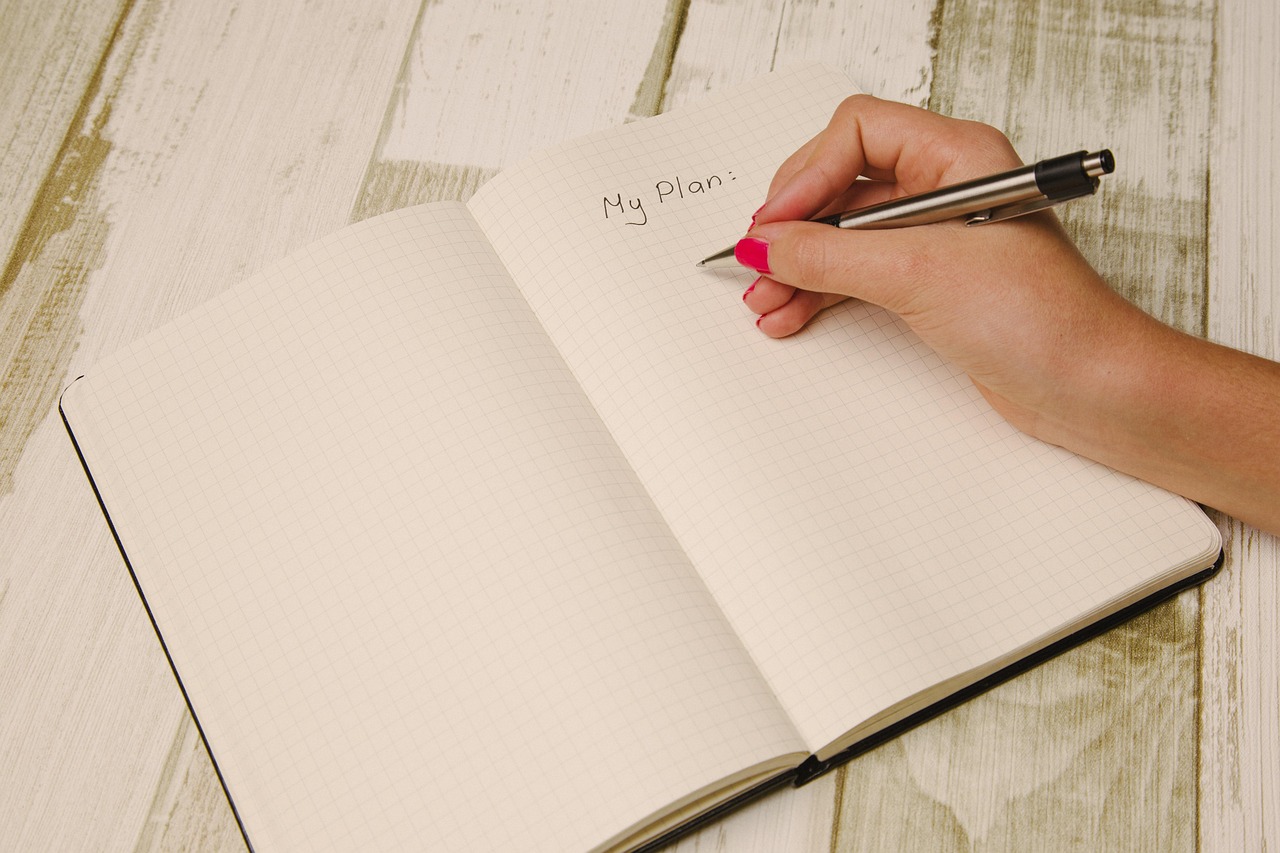
A Simple Place to Put Busy Thoughts
Your mind may be carrying errands, unfinished talks, payment dates, gift ideas, and the small annoying comment someone made at lunch. A journal gives those pieces somewhere to land. Once they are on paper, they feel less like noise and more like items you can sort.
A Daily Record You Can Actually Use
A journal can also work as a personal log. You may notice that poor sleep often follows late coffee, or that Monday meetings leave you tense. These patterns are easy to miss when every day feels urgent. Even two lines a day can build a useful record over time.
A Low-Pressure Habit with Real Limits
Good journaling is not a cure-all, and it should not be treated like one. It is a support tool. If your notes show ongoing panic, deep sadness, unsafe thoughts, or symptoms that affect daily life, professional help matters. The page can help you see the problem, but it should not be the only help you use.
How Does Journaling Help You Handle Stress?
Stress often feels heavier when it stays unclear. Journaling gives it a name. You can write down the bill, the argument, the deadline, the messy desk, or the decision you keep putting off. The University of Rochester Medical Center describes journaling as a tool that can help manage anxiety, reduce stress, and cope with depression by prioritizing concerns, tracking symptoms, and making space for positive self-talk. (urmc.rochester.edu)
Naming the Problem Lowers the Fog
Try one plain sentence: Today feels hard because… Then finish it without cleaning it up. You may write about work, money, noise at home, or no clear reason at all. The goal is not a nice paragraph. The goal is to get the feeling where you can see it.
Tracking Patterns Makes Triggers Easier to Spot
Use a small monthly tracker for sleep, mood, water, exercise, screen time, or headaches. Keep it honest, but do not turn it into another job. After three or four weeks, simple links may show up, such as low mood after skipped meals or better focus after a walk. That kind of record is easier to trust than memory alone.
Private Writing Gives You Room to Be Honest
A private notebook lets you write the messy version first. That matters because most people do not think in clean sentences when they are stressed. You do not have to sound patient, wise, or fair on the first page. Later, if needed, you can turn raw notes into a calmer message, a to-do list, or a question for a doctor, teacher, or manager.
What Should You Write in a Journal?
The best journaling topic is the one you will come back to. Some people want emotional release. Some want order. Some want a place to record books, workouts, prayer notes, class ideas, or the funny thing a child said in the car. A journal can hold all of this without becoming a formal project.
Morning Pages for Mental Clutter
Set a timer for ten minutes and write whatever comes up. Do not try to make it a clean essay. You might start with the weather, move to a grocery list, and then remember a work call you forgot. That is still useful, because clutter often sits inside ordinary thoughts.
Gratitude Notes for Better Attention
Gratitude journaling works better when it is specific. Instead of writing family, write Dad fixed the loose shelf after dinner, or the orange pen made budget planning less dull. Small details keep the habit from feeling like forced positivity. They also make the note easier to remember later.
Lists, Sketches, and Tiny Wins
Not every entry needs full sentences. Use lists, boxes, arrows, small sketches, tape-in receipts, or one-line wins if that is what helps. A student may track assignment dates. A buyer may compare suppliers. A parent may jot dinner plans. A messy page that helps you act is better than a perfect page you avoid.
Is Pen and Paper Better Than a Digital Journal?
Paper and digital tools both have a place, but physical notebooks still make a strong case for memory and focus. A University of Tokyo study published in 2021 found that participants using a paper datebook completed a schedule task faster than tablet or smartphone users, and later showed more brain activity in memory-related areas during recall. (u-tokyo.ac.jp)
Paper Gives Your Mind Landmarks
Paper has corners, margins, pressure marks, smudges, tabs, and page positions. These details become landmarks for your memory. You may remember that a vacation idea sat near the bottom right of a blue page before you remember the exact words. That physical cue is one reason many people still keep paper notebooks on the desk.
Longhand Slows You Down in a Useful Way
Typing can turn into copying, especially when you are trying to keep up. Longhand usually makes you choose the main idea. The Association for Psychological Science reported on research where laptop note-takers wrote more words, but performed worse on conceptual questions than students who took longhand notes. For journaling, that slower pace can help you think instead of dumping words onto a screen. (psychologicalscience.org)
Digital Journals Still Fit Some Days
A phone note is fine when you are on a train, in a waiting room, or standing outside a school pickup line. Use digital tools for quick capture when paper is not with you. Later, move the important parts to paper if the thought needs more attention. The tool should serve the habit, not block it. See also: Gift Guide.
How Can Beginners Build a Journaling Routine That Lasts?
A routine that lasts is usually simple and a little boring. It is easy to start, easy to see, and not packed with rules. Do not begin with a 45-minute ritual, five pens, and pressure to write deep thoughts every night. It may sound good on Sunday, then feel too heavy by Wednesday.
Start with Ten Minutes
Ten minutes is enough for a mood check, a short plan, and one honest paragraph. If that still feels too much, write three bullets: what happened, how you felt, what comes next. Small entries count because they keep the habit open. You can write more on days when you have the time.
Pair the Journal with a Daily Cue
Put your notebook beside coffee, your bed, your planner, or your laptop. The cue matters more than motivation because it reminds you before the day gets busy. After brushing your teeth, write one line. Before opening email, write the top three tasks. After dinner, note one win and one loose end.
Keep the Setup Pleasant and Visible
People return to tools they like using. A smooth pen, a notebook that opens flat, and paper that does not bleed through can remove small irritations. It sounds minor, but a scratchy pen has stopped many good habits. No drama, just true.
Which Journaling Supplies Make the Habit Easier?
Journaling is about writing, but the right stationery can make the writing feel more natural. There is no reliable public data proving one notebook size is best for everyone, so choose by use case. Your desk journal, travel journal, class journal, and wellness journal may need different formats.
A Notebook That Matches the Job
For daily reflection, an A5 notebook is a comfortable middle size. For desk planning, a larger notebook gives you room for lists and mind maps. For bags or pockets, a slim booklet is easier to carry. Dot grid paper suits mixed writing and sketching, while lined paper keeps long entries tidy.
A Pen You Do Not Fight
Pick a pen that starts quickly, feels steady, and matches your paper. Gel pens feel bold, but they may smear on coated pages. Ballpoint pens are practical for fast notes. Fine liners work well for trackers and boxes. If your hand cramps, try a wider barrel.
Small Accessories That Reduce Friction
Page tabs, sticky notes, clips, rulers, and a small pouch can make the habit easier to keep. Use them lightly, so the setup does not become the work. A journal is not a museum. A few helpful tools are better than a pile of supplies that turns writing into preparation.
FAQ
Q1: How Often Should You Practice Journaling? A: Start with three to five days a week. Daily writing helps some people, but consistency matters more than a perfect streak.
Q2: What Is the Best Time of Day to Journal? A: Morning works well for planning and clearing mental clutter. Evening works well for reflection, mood notes, and tracking patterns. Choose the time that fits your real schedule.
Q3: Do You Need a Special Notebook for Journaling? A: No. Any notebook can work. Still, a notebook that opens flat, feels good in your hand, and suits your writing style can make the habit easier to repeat.
Q4: Can Journaling Make Stress Worse? A: It can feel intense if you only replay painful events. Balance hard entries with next steps, grounding details, gratitude notes, or support from a qualified professional when needed.
Q5: Should You Keep Old Journals? A: Keep them if they help you see growth, patterns, ideas, or memories. If they feel heavy, store them away, scan useful pages, or safely discard what you no longer want to revisit.