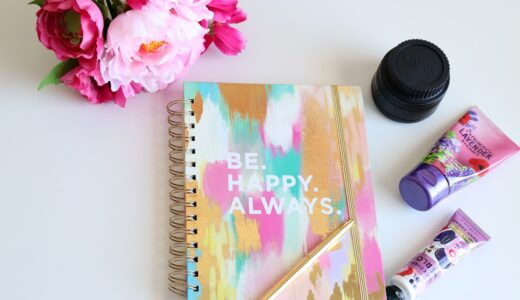
Journal examples about everyday life for simple, meaningful entries

How everyday journaling works
Journal examples about everyday life are useful when you want to write regularly but are not sure what is worth recording. Ordinary details matter because they show patterns in your routines, choices, moods, relationships, and attention. A daily entry does not need drama, polished language, or a major lesson. It can simply record what happened, how you felt, what you noticed, and what you may want to do differently tomorrow.
This guide focuses on examples you can adapt right away. Instead of treating journaling as a performance, it treats it as a small record of real life: morning habits, work pressure, meals, conversations, errands, weather, money decisions, creative ideas, and quiet observations. If you want more writing ideas across this topic, browse the Journaling section for related guides.

What makes an everyday journal entry useful
An everyday journal entry is useful when it gives your future self enough context to understand the day. That does not mean every entry must be long. A three-sentence note can be valuable if it captures a clear moment, a feeling, and a takeaway.
Research on expressive writing, including work associated with psychologist James W. Pennebaker, is often discussed in relation to writing about emotional experiences. Health education resources such as the University of Rochester Medical Center also describe journaling as a way to notice thoughts, feelings, and possible stress patterns. For an everyday journal, the practical lesson is modest but helpful: writing can help you observe your life more clearly. It should not be presented as a cure or a replacement for professional mental health care.
A strong everyday entry usually includes one or more of these elements:
- A concrete scene: where you were, who was present, and what was happening.
- A feeling: calm, rushed, irritated, grateful, uncertain, proud, tired, or curious.
- A reason: what may have caused that feeling or reaction.
- A detail: a sound, smell, sentence, object, color, task, meal, or small visual moment.
- A next step: something to repeat, change, ask, prepare, or let go.
The goal is not to document everything. The goal is to notice enough to make the day visible.
Everyday life journal examples you can adapt
The examples below are intentionally ordinary. Use them as models, not scripts. Replace the details with your own setting, schedule, and voice.
A morning routine entry
Today started slowly. I woke up before my alarm but stayed in bed for ten more minutes because the room felt cold and quiet. Breakfast was toast, eggs, and coffee. I noticed that I checked my phone before I had even stood up, and it made the morning feel crowded before it really began. Tomorrow I want to leave the phone on the desk until after breakfast.
Why this works: The entry records a routine, a feeling, a trigger, and a realistic adjustment.
A work or study entry
I spent most of the afternoon working on one task that should have taken less time. The hard part was not the task itself, but getting my focus back every time I was interrupted. I felt frustrated near the end, but I did finish the first draft. Next time, I may try a 45-minute block with notifications off and one clear break afterward.
Why this works: It avoids vague self-criticism and identifies a specific condition that affected the day.
A small gratitude entry
I am grateful for the short walk after dinner. The sky was pale blue, the sidewalk was still warm, and someone nearby was cooking garlic. Nothing special happened, but the walk made the evening feel less rushed. I forget how much a small change of air can reset my mood.
Why this works: It turns a simple moment into a sensory record and a reminder.
A relationship entry
I had a quick conversation with my sister today. We mostly talked about schedules, but she laughed when I mentioned the broken kitchen drawer, and suddenly the call felt lighter. I realized I have been treating every call like a checklist. Next time I want to ask one real question before we hang up.
Why this works: It focuses on a small interaction and draws out a gentle insight without overexplaining it.
A difficult day entry
Today felt heavy from the beginning. I was impatient in the morning, distracted in the afternoon, and too tired to cook by evening. I do not think there was one big reason. It may have been poor sleep, too much noise, and a long list of small unfinished tasks. I am not solving everything tonight. I will clean the counter, drink water, and go to bed earlier.
Why this works: It acknowledges difficulty without turning the entry into a spiral. It ends with a manageable action.
A weekend entry
Saturday was slower than I expected. I did laundry, bought groceries, and spent an hour reading in the afternoon. The best part was not having to hurry between tasks. I noticed that when I leave one open space in the day, I enjoy the practical chores more. Maybe weekends do not need to be full to feel worthwhile.
Why this works: It records ordinary activities and connects them to a broader preference.
A simple structure for daily entries
If blank pages make writing harder, use a repeatable structure. A structure does not make the journal less personal; it simply reduces the number of decisions you have to make before you begin.
One effective format is the four-part daily note:
- What happened: one to three concrete events from the day.
- What I noticed: a feeling, pattern, detail, or surprise.
- What it may mean: a possible lesson, concern, preference, or question.
- What comes next: one small action or intention.
Here is that structure in practice:
What happened: I worked from home, answered a long set of emails, and made soup for dinner. What I noticed: I felt more relaxed after I moved my notebook away from the laptop and wrote my task list by hand. What it may mean: I may need a clearer boundary between planning and reacting. What comes next: Tomorrow I will write the three most important tasks before opening my inbox. See also: Gift Guide.
You can also use a shorter version when time is limited:
- Today in three words: quiet, scattered, hopeful.
- One thing I handled well: I replied calmly instead of rushing.
- One thing to improve tomorrow: start dinner before I am already hungry.
This type of brief entry is useful because it keeps the habit alive on busy days.
Everyday journal ideas by situation
Different days call for different entry types. A simple table can help you choose a direction quickly instead of spending your writing time deciding what to write about.
| Situation | Journal focus | Example opening line |
|---|---|---|
| A normal weekday | Routine and energy | Today followed my usual pattern, but one detail stood out. |
| A stressful day | Triggers and support | The most stressful moment today was clear, and I want to understand why. |
| A quiet evening | Sensory details | The house felt different tonight because… |
| After a conversation | Words, tone, and reaction | I keep thinking about something someone said today. |
| After spending money | Choice and value | I bought something today, and I want to record whether it felt necessary, useful, or impulsive. |
| Before sleep | Closure | If I had to leave today on one sentence, it would be… |
You can also use this table to create a loose rotation. For example, you might write about routines on Monday, conversations on Tuesday, money decisions on Wednesday, and gratitude on Thursday. The point is not to make journaling rigid. The point is to make starting easier.
How to make ordinary entries more specific
Many people stop journaling because their entries begin to sound the same: “Today was fine,” “I was busy,” or “Nothing happened.” The problem is usually not the day. The problem is the level of detail.
To make an ordinary entry more specific, move from summary to evidence:
- Instead of “I was tired,” write “I reread the same email three times and still missed the main question.”
- Instead of “Dinner was nice,” write “We ate noodles at the small table and talked for twenty minutes without checking our phones.”
- Instead of “Work was stressful,” write “The stress started after the second unexpected request, not the first.”
- Instead of “I had a good walk,” write “The wind smelled like rain, and I came home with clearer thoughts.”
Specificity gives your journal texture. It also helps you see patterns later. After a few weeks, you may notice that certain routines improve your mood, certain obligations drain your energy, or certain people leave you feeling understood. Those observations are more useful than a perfect sentence.
Another simple technique is to add a time marker. Write “before breakfast,” “after the meeting,” “during the bus ride,” or “right before bed.” Time markers make entries easier to remember and compare.
Common mistakes to avoid
Everyday journaling should be flexible, but a few habits can make it less useful. The first mistake is trying to make every entry profound. Most days are mixed and practical. A journal can hold unfinished thoughts, small annoyances, ordinary meals, and half-formed ideas.
The second mistake is writing only when something goes wrong. Difficult entries matter, but a journal made only of frustration can give an incomplete picture of your life. Add neutral and positive observations too: a task completed, a kind message, a better commute, a clean desk, a recipe that worked, or a moment of patience.
The third mistake is turning journaling into another standard you must meet. If you miss a day, continue the next day. If an entry is messy, leave it messy. If you only have five minutes, write five lines. Health and education sources that discuss journaling often emphasize consistency and honesty more than polish, which is a useful standard for everyday writers.
The fourth mistake is recording private information carelessly. If your journal includes sensitive details about health, finances, workplace issues, or other people, think about where you store it. Privacy can make writing feel safer, especially when you are exploring emotions or decisions you are not ready to share.
Frequently asked questions
How long should an everyday journal entry be?
An everyday entry can be as short as three sentences or as long as several pages. For most people, five to fifteen minutes is enough to record what happened, how it felt, and what to remember. Length matters less than clarity and consistency.
Do I need to write every day?
No. Daily writing can build momentum, but it is not the only valid approach. You can write three times a week, after meaningful events, or whenever you need to think on paper. A realistic habit is better than an ambitious plan that you abandon.
What if my life feels too boring to journal about?
Start with small observations. Write about what you ate, what you postponed, what made you smile, what irritated you, what you noticed outside, or what you kept thinking about. Everyday life often becomes interesting after you slow down enough to describe it.
Should I use prompts or write freely?
Both methods work. Prompts are helpful when you feel stuck, while free writing is useful when you already know what is on your mind. You can combine them by starting with a prompt and then following the entry wherever it naturally goes.
Can journaling help with stress?
Journaling may help some people notice stress patterns, organize thoughts, and express feelings. However, it should not be treated as medical care. If stress, anxiety, or low mood feels intense, persistent, or unsafe, it is important to seek support from a qualified professional.
A practical way to start tonight
If you want to begin today, do not wait for a perfect notebook or a quiet hour. Open a page and write four lines:
- One thing that happened today was…
- I felt…
- I noticed…
- Tomorrow I want to…
That is enough. Everyday journaling becomes meaningful through attention, not dramatic events. When you record small details consistently, you create a written map of how you live, what you value, and what you are learning from ordinary days.