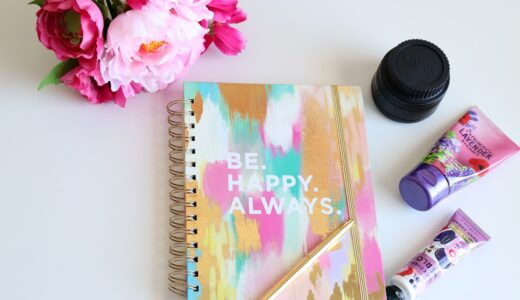
What is a happiness planner and how do you use one?
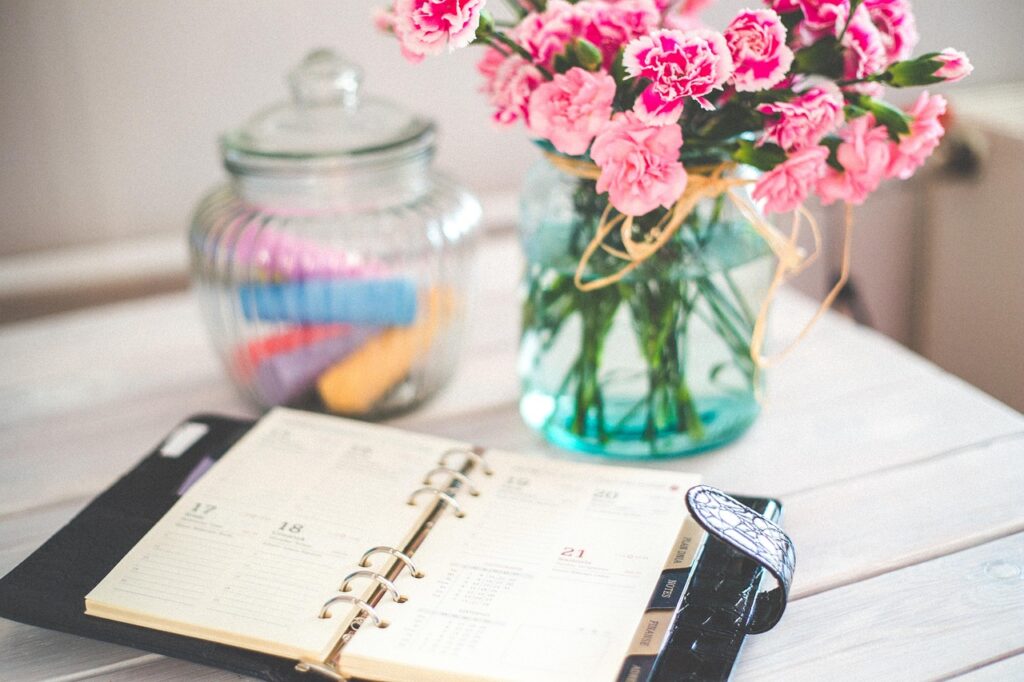
What a happiness planner actually is
A happiness planner is more than a decorative notebook with cheerful quotes. In its most useful form, it is a structured journaling system that helps you plan the day, notice what is working, reflect on emotions, and connect small tasks with larger values. Unlike a standard to-do list, a happiness planner usually includes prompts for gratitude, priorities, mood, habits, self-care, and end-of-day reflection. The aim is not to feel happy all the time. A more practical purpose is to make daily life more intentional, less reactive, and easier to review.
For readers browsing journaling ideas, the practical question is simple: what should a happiness planner include, and how can it be used without becoming another task? The answer depends on your routine, but the strongest formats are simple, repeatable, and honest. They help you see patterns over time rather than forcing every day into a positive story.
How it differs from a diary, bullet journal, and regular planner
A happiness planner overlaps with several familiar stationery formats, but its focus is different. A diary records what happened. A regular planner organizes time and tasks. A bullet journal offers a flexible indexing and rapid-logging method. A happiness planner sits between these categories: it plans forward and reflects backward, with emotional awareness built into the page.
| Format | Main purpose | Typical strength | Possible limitation |
|---|---|---|---|
| Diary | Record experiences and feelings | Depth and memory keeping | Can become unstructured if the user wants action steps |
| Regular planner | Manage time, tasks, and appointments | Clear scheduling | May ignore mood, energy, and motivation |
| Bullet journal | Flexible planning and logging | Customizable structure | Can require setup discipline |
| Happiness planner | Connect planning with gratitude, values, and reflection | Balanced daily awareness | Can feel repetitive if there are too many prompts |
This distinction matters because many people buy or create a happiness planner expecting a mood transformation. A better expectation is behavioral: the planner gives you a regular place to pause, prioritize, and notice. That can still be useful on difficult days, when the page may show stress, fatigue, or uncertainty rather than cheerful entries.
The evidence behind gratitude, journaling, and daily reflection
There is research support for some ingredients commonly found in a happiness planner, but the evidence should be read carefully. In a 2003 study by Robert Emmons and Michael McCullough, participants were assigned to record blessings, hassles, or neutral life events. The gratitude-focused groups showed benefits in areas such as life appraisal and optimism compared with some comparison groups. This study is often cited because it helped establish gratitude journaling as a serious research topic, not just a self-help habit.
Medical and mental health organizations also describe journaling as a useful supportive practice. The University of Rochester Medical Center, for example, notes that journaling may help people manage anxiety, reduce stress, and cope with depression, while also emphasizing that it is one part of a healthy lifestyle rather than a stand-alone treatment. That distinction matters for any planner marketed around well-being: writing can support awareness and coping, but it should not be presented as a substitute for professional care when symptoms are persistent or severe.
More recent reviews of gratitude interventions suggest a balanced conclusion. Gratitude exercises, including journaling and letters, can support well-being, but effects vary by person, frequency, culture, and the way the practice is designed. In other words, the reliable takeaway is not that a happiness planner guarantees happiness. The stronger claim is that structured reflection can create conditions that make positive attention, emotional clarity, and intentional action more likely.
Core sections that make a happiness planner useful
A good happiness planner does not need dozens of pages or complicated dashboards. In fact, too many prompts can make the habit fragile. The most useful sections are the ones you can complete on ordinary days, not only on highly motivated ones.
Daily priorities
Start with one to three priorities rather than a long task list. A happiness planner works best when it separates meaningful priorities from background errands. For example, “prepare meeting notes,” “take a 20-minute walk,” and “call my sister” are clearer than “be productive.” Specific priorities also make evening reflection easier because you can review what happened without judging the entire day.
Gratitude prompts
Gratitude prompts are common because they train attention toward things that are easy to overlook. Keep them concrete. “Good coffee before work,” “a quiet commute,” or “a useful conversation” is more helpful than forcing dramatic statements. If gratitude writing starts to feel mechanical, use it less often or change the prompt to “something I appreciated today and why it mattered.”
Mood and energy tracking
A simple mood or energy scale can reveal patterns that memory misses. You might rate energy from one to five, choose a word for the day, or mark sleep quality. The point is not to diagnose yourself. It is to notice whether certain routines, workloads, or environments regularly affect your capacity.
Habit cues
Habit sections should be small and connected to a specific cue. Research by Phillippa Lally and colleagues on habit formation found wide variation in how long behaviors take to become automatic, with estimates ranging from 18 to 254 days in the study sample. That finding challenges the popular idea that a fixed number of days works for everyone. A happiness planner should therefore make consistency easier without turning missed days into failure.
Evening reflection
The evening page should close the loop. Useful questions include: what went well, what felt difficult, what did I learn, and what should I adjust tomorrow? A short reflection is often better than a long one because it creates a record you can realistically maintain.
A simple routine for using one without overcomplicating it
The most sustainable happiness planner routine can fit into ten minutes a day. A longer ritual may feel satisfying at first, but a compact structure is easier to keep during busy weeks.
- Morning, two minutes: write the date, choose one word for how you feel, and list one to three priorities.
- Morning, one minute: write one thing you are looking forward to or one small action that would support your well-being.
- During the day, optional: mark completed tasks, note a mood shift, or capture a brief thought.
- Evening, three to five minutes: list one thing you appreciated, one thing that was hard, and one adjustment for tomorrow.
- Weekly, ten minutes: review repeated patterns, unfinished priorities, and moments that gave you energy.
This structure keeps the planner grounded. It also reduces the risk of performative journaling, where the page looks attractive but does not help decision-making. If you enjoy stickers, color coding, or decorative stationery, use them as motivation, not as requirements. The page should serve the routine, not the other way around.
Choosing or designing a happiness planner
Whether you buy a pre-printed planner or create one in a notebook, look for a format that matches how you actually live. A dated planner is helpful if you like daily accountability and do not want to draw layouts. An undated planner is better if you skip days, travel often, or dislike wasted pages. A blank notebook gives you the most flexibility, but it requires more setup. See also: Gift Guide.
Before choosing a format, check five practical details:
- Prompt load: can you complete the daily page in under ten minutes?
- Writing space: is there enough room for real reflection, not just one-word answers?
- Portability: will the size work at your desk, in a bag, or beside your bed?
- Review pages: does it include weekly or monthly reflection, so patterns do not stay hidden?
- Tone: do the prompts allow difficult emotions, or do they push constant positivity?
The last point is especially important. A well-designed happiness planner should not make you feel you have failed because a day was difficult. Pages that leave room for stress, disappointment, and uncertainty are often more useful than pages that only ask for wins. Real well-being work includes noticing what drains you as well as what lifts you.
Common mistakes to avoid
The first mistake is treating the planner like a performance object. A beautiful spread can be enjoyable, but if design pressure stops you from writing honestly, the planner has lost its purpose. Messy, brief, and truthful notes are often more valuable than perfect pages.
The second mistake is tracking too much. Ten habit boxes may look motivating on Sunday and feel oppressive by Wednesday. Start with one or two behaviors that genuinely support your days, such as sleep consistency, movement, reading, hydration, or a screen-free wind-down.
The third mistake is using gratitude to suppress real problems. Gratitude can broaden attention, but it should not erase boundaries, grief, burnout, or practical concerns. A helpful planner can hold both statements at once: “I appreciated dinner with a friend” and “I need to address my workload.”
The fourth mistake is never reviewing old pages. The value of a happiness planner grows when you look back. Weekly review can show that your best days follow certain routines, that specific obligations consistently drain you, or that unfinished tasks are actually unclear commitments. This is where a planner becomes more than a notebook; it becomes a feedback system.
Frequently asked questions
Is a happiness planner the same as a gratitude journal?
No. A gratitude journal mainly focuses on appreciation, while a happiness planner usually combines gratitude with scheduling, priorities, habits, mood tracking, and reflection. Gratitude may be one section, but the planner has a broader planning function.
How often should I write in a happiness planner?
Daily writing works for some people, but it is not mandatory. If daily prompts become repetitive, try three to five entries per week plus a weekly review. Consistency matters, but the routine should be flexible enough to survive real life.
Can a happiness planner improve mental health?
It may support mental well-being by encouraging reflection, emotional awareness, gratitude, and problem solving. However, it is not a medical treatment. If anxiety, depression, or stress feels persistent or overwhelming, professional support is more appropriate than relying on a planner alone.
Should I use paper or a digital planner?
Use the format you will return to. Paper can feel more focused and tactile, while digital tools are searchable and easy to edit. Many people use a paper planner for reflection and a digital calendar for appointments.
What should I write when I do not feel happy?
Write honestly. Try prompts such as “what feels heavy today,” “what do I need less of,” “what small action would help,” or “what is still worth appreciating.” A happiness planner is most useful when it makes room for real emotions, not only positive ones.
The bottom line
A happiness planner is best understood as a practical journaling tool, not a promise of constant positivity. It combines planning, gratitude, reflection, and habit support so you can notice patterns and make small adjustments. The most effective version is simple enough to use on a normal weekday and honest enough to include both progress and difficulty. Choose a format that fits your routine, keep the prompts manageable, and review your pages regularly. Over time, the benefit is not a perfect record of happy days, but a clearer understanding of how your days are actually being spent.