
How to set up a book bullet journal for better reading notes
What is a book bullet journal?
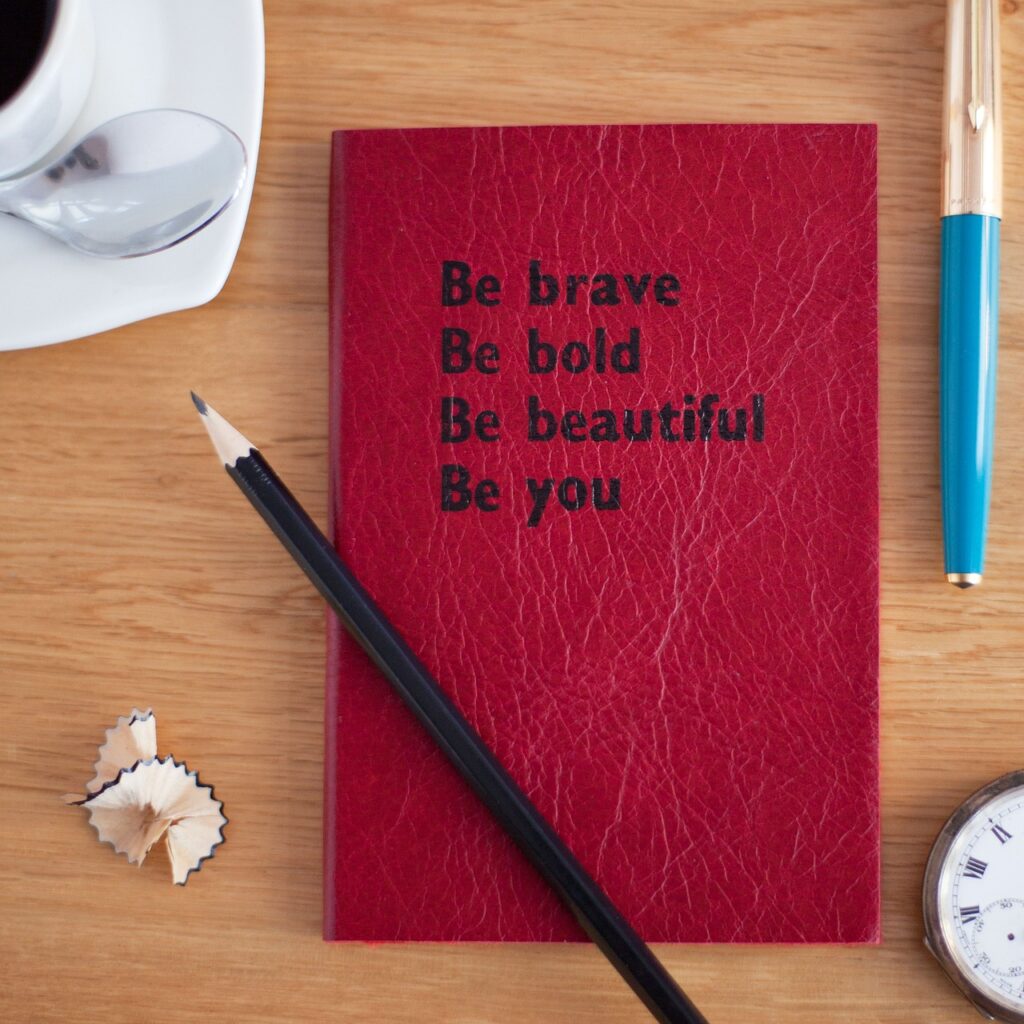
A book bullet journal is a notebook-based system for planning, tracking, and reflecting on your reading. Instead of keeping a reading app, loose notes, wish lists, and review drafts in separate places, you bring the useful parts into one flexible journal. The aim is not to decorate every page or copy a layout from someone else. It is to make your reading easier to review, continue, and remember.
For most readers, a reliable setup has four parts: a reading log, a to-be-read list, simple book notes, and a review or reflection page. From there, you can add trackers, quote pages, library due dates, genre goals, or monthly reading summaries. A book journal works best when it takes only a few minutes to update and still makes sense months later.

This guide focuses on a practical paper setup that can be used in any blank, dotted, lined, or grid notebook. If you enjoy broader notebook planning ideas, you can also explore more journaling topics and adapt the layouts to your own style.
Why readers use a bullet journal for books
A book bullet journal solves a common problem: reading information often ends up scattered. A recommendation may sit in a phone note, a quote may be marked with a sticky tab, and a review idea may disappear before it is written down. A dedicated book journal reduces that friction by giving each type of reading information a clear place.
It also supports slower, more intentional reading. When you write a short note after each chapter or record why a book mattered to you, you create a record that is richer than a finished-or-not-finished list. This is useful for readers who review books online, join book clubs, study literature, manage classroom reading, or simply want to remember what they read.
Another advantage is flexibility. A printed reading planner may include pages you never use, while a digital app may push features you do not need. A notebook lets you test a spread for one month, keep it if it helps, and replace it if it feels like extra work.
Choose a simple structure before drawing layouts
The most effective book bullet journal starts with decisions, not decoration. Before you draw a bookshelf tracker or color-code a rating scale, decide what information you actually want to capture. A reader who wants to finish library books on time needs a different setup from someone who writes detailed literary notes.
Start by dividing your journal into three types of pages: planning pages, tracking pages, and reflection pages. Planning pages help you choose what to read next. Tracking pages record progress and completed books. Reflection pages capture what you learned, felt, questioned, or may want to quote later.
Planning pages
Planning pages can include a to-be-read list, upcoming releases you are interested in, book club selections, library holds, seasonal reading ideas, and gift lists. Keep these pages flexible. A long TBR can become discouraging if it feels like an obligation, so consider sorting it into smaller sections such as “next,” “later,” and “maybe.”
Tracking pages
Tracking pages should be quick to fill in. Common fields include title, author, start date, finish date, format, source, genre, and a short rating. If you read across print books, ebooks, and audiobooks, a format column can help you see what you actually finish most often.
Reflection pages
Reflection pages are where the journal becomes more than a checklist. You can write a short summary in your own words, list memorable ideas, note favorite characters, record themes, or write one paragraph about whether the book met your expectations. These notes are especially valuable when you want to discuss or recommend a book later.
Core book bullet journal layouts that are worth using
There are many possible layouts, but a useful book journal does not need many pages at the start. The following spreads cover most reading needs without turning the notebook into a complicated project.
Reading log
A reading log is the central page of a book bullet journal. It should be compact enough to update as soon as you finish a book. A simple table works well because it keeps the record consistent.
| Field | Why it helps |
|---|---|
| Title and author | Creates a reliable record for later reference |
| Start and finish dates | Shows reading pace without requiring daily tracking |
| Format | Distinguishes print, ebook, audiobook, or borrowed copy |
| Genre or category | Helps reveal reading patterns over time |
| Short reaction | Preserves your first impression before it fades |
If you dislike ratings, replace stars with words such as “recommend,” “mixed,” “not for me,” or “reread.” A personal reaction is often more useful than a number.
To-be-read list
A TBR list is helpful only when it remains manageable. Instead of one endless list, create categories such as books already owned, library holds, recommendations from friends, work or study reading, and books you may buy later. This separation makes the list easier to act on and prevents every suggestion from feeling equally urgent.
Book notes page
For each meaningful book, reserve one page or half a page. Include the title, author, date finished, and a few prompts. Useful prompts include: “What is the central idea?”, “What surprised me?”, “What would I discuss with another reader?”, and “Who might enjoy this book?” These questions work for fiction and nonfiction because they focus on response rather than summary alone.
Quote and passage collection
A quote page can be valuable, but it should be used with care. Instead of copying long passages, record short excerpts, page numbers, and your reason for saving them. For personal study, page references matter because they let you return to the full context later. For public reviews or blog posts, always check quotation rules and avoid overusing copyrighted text.
Monthly reading review
A monthly review helps you see patterns that a single book page cannot show. At the end of each month, list what you finished, what you abandoned, what you are still reading, and one reading habit you want to adjust. This page can stay brief. The point is to learn from the month, not to grade yourself.
How to set up your first book bullet journal
Begin with a notebook you will actually use. A dotted journal is popular because it supports tables, checkboxes, and free writing, but lined or grid paper can work just as well. The best notebook is the one you can keep near your reading place and open without hesitation.
- Create an index. Leave two to four pages at the front for page numbers and section titles. This makes the journal easier to use as it grows.
- Add a reading key. Keep symbols simple. For example, use a dot for a book to consider, a slash for currently reading, a check for finished, and an x for abandoned.
- Build a master reading log. Give yourself enough rows for several months. Do not worry if the design is plain.
- Start a small TBR page. Limit the first version to books you truly expect to read soon.
- Make one reusable review template. Test a half-page or full-page review format before committing many pages to it.
- Review after two weeks. Remove any field you are not using. Add only what would make the journal easier or more meaningful.
A common mistake is building too much at once. Large trackers can look impressive but become difficult to maintain. A book bullet journal should support reading, not compete with it. See also: Gift Guide.
Useful layouts for different kinds of readers
The best layout depends on why you read and what you want to remember. Instead of copying every popular spread, choose the pages that match your reading life.
For casual readers
Use a simple reading log, a short TBR, and a favorites page. Casual readers often benefit from low-pressure prompts such as “one sentence about this book” or “would I recommend it?” This keeps the journal useful without making it feel like a school assignment.
For book club readers
Add a discussion page for each meeting. Include character notes, themes, questions, and a space for opinions that changed after the discussion. If your club chooses books months in advance, a calendar-style page can help you plan reading time before meetings.
For students and close readers
Students may need more structured notes. Create sections for thesis, argument, evidence, vocabulary, context, and questions. For fiction, track character development, setting, point of view, motifs, and major conflicts. Keep page references with important notes so you can find them again.
For reviewers and content creators
If you write public reviews, build a repeatable review page that separates factual book details from opinion. Include publication details, content notes when relevant, audience fit, strengths, limitations, and a final recommendation. This structure helps prevent rushed reviews that rely only on mood or memory.
What to track and what to skip
Tracking can reveal useful patterns, but too much tracking can make reading feel administrative. Choose a few details that answer real questions for you. If you want to diversify your reading, track genre, author background when publicly relevant, translated works, or publication period. If you want to manage spending, track borrowed, owned, and purchased books. If you want to improve consistency, track reading sessions or pages read only when it motivates you rather than pressures you.
Skip any metric that creates guilt or does not change your decisions. Total books read is easy to count, but it does not measure depth, enjoyment, or learning. Page counts can be interesting, yet they can also make short books feel less valuable than long ones. Star ratings are quick, but they may flatten a complex response. Your journal can use numbers, words, colors, or no ratings at all.
A balanced book bullet journal includes both output and meaning. It can show what you finished, but it should also preserve why a book mattered, what you noticed, and what you may want to read next.
Design tips that keep the journal sustainable
A sustainable journal is one you can return to after a busy week. Use layouts that are forgiving. Leave extra blank space. Avoid spreads that fail if you miss a day. If you enjoy illustration, decorate after the structure is useful, not before. Decoration can make the journal more inviting, but it should not become the measure of success.
Color coding can help if it remains consistent. For example, you might use one color for library books, one for owned books, and one for audiobooks. Keep the legend visible until the system becomes familiar. If you use stickers, tabs, or washi tape, use them to mark sections or highlight completed months rather than to cover unclear planning.
Consider a quarterly reset. Every three months, review which pages you used, which pages you ignored, and which notes were genuinely helpful. Then adjust the next section of the notebook. The flexibility of bullet journaling is its main advantage, so let the system evolve with your reading habits.
Frequently asked questions
Do I need a special notebook for a book bullet journal?
No. A dotted notebook is convenient, but any notebook can work if it is comfortable to write in and easy to keep nearby. The page layout matters less than whether you can update it consistently.
How many pages should I leave for each book?
Start with half a page for ordinary reads and one full page for books you expect to study, review, or discuss. If you often write long reflections, you can move book notes into a dedicated section and keep the main log compact.
Should I track unfinished books?
Yes, if the information is useful to you. A simple “abandoned” or “paused” mark can show patterns, such as genres you often avoid or books you may want to revisit later. You do not need to justify every unfinished book.
Can a book bullet journal work with ebooks and audiobooks?
Yes. Add a format column to your reading log and record location numbers, timestamps, or chapter references when page numbers are unavailable. The journal can track the reading experience even when the book is not a printed copy.
What is the easiest layout for beginners?
The easiest beginner setup is a two-page spread: one page for a TBR list and one page for a reading log. After you finish a few books, add short review pages only for the titles you want to remember in more detail.
A practical book journal should make reading easier
A book bullet journal works when it gives your reading a clear place to land. Start with a reading log, a focused TBR list, and simple reflection prompts. Add trackers only when they answer a real question. Remove layouts that feel like maintenance without value. Over time, the notebook becomes more than a record of finished books. It becomes a personal map of your reading taste, attention, curiosity, and growth.