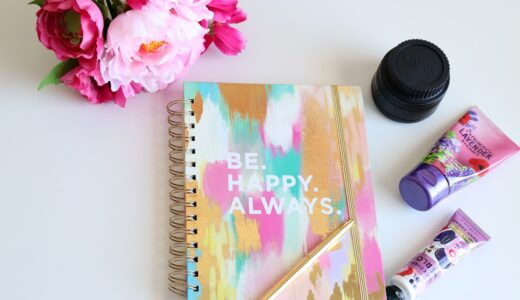
How to choose a prompted journal for daily reflection

What a prompted journal does
A prompted journal is a guided notebook that gives the writer questions, sentence starters, checklists, or themed exercises instead of a blank page. It is useful when reflection needs to feel more structured, repeatable, and less intimidating. The value is not that every question will be profound. It is that the format lowers the effort required to begin and helps the writer return to a specific theme, such as gratitude, goals, memory keeping, creative writing, or emotional check-ins. For readers building a broader journaling habit, a guided format can act as a bridge between occasional notes and a steadier personal writing routine.
The right choice depends on the job the notebook needs to do. A daily gratitude journal is not the same product as a self-discovery workbook, a goal planner, or a creative writing journal. Before buying or starting one, it helps to understand how prompts change the writing experience, where the research is encouraging, and where expectations should stay realistic.
Prompted journal vs blank journal
A blank journal gives maximum freedom. A prompted journal gives direction. Neither format is automatically better; they solve different problems. Many people use both: a guided journal for short daily entries and a blank notebook for longer thoughts, sketches, lists, or unstructured reflection.
| Feature | Prompted journal | Blank journal |
|---|---|---|
| Starting point | Questions or exercises are already provided | The writer decides what to write each time |
| Best for | Beginners, busy users, theme-based reflection, habit building | Free writing, long-form entries, sketching, flexible planning |
| Main advantage | Reduces blank-page hesitation and keeps entries focused | Allows complete control over structure and tone |
| Main limitation | Can feel repetitive or too narrow if the questions do not match the writer’s needs | Can be hard to maintain without a personal routine |
| Good pairing | Use for morning or evening check-ins | Use for deeper notes after a guided entry raises a bigger thought |
This distinction matters because the search for a prompted journal often starts with a practical problem: the person wants to write but does not know what to write about. A guided page removes several small decisions. Instead of choosing the topic, structure, and length every day, the writer only has to respond.
What research can and cannot tell us
Journaling is widely discussed in wellness, productivity, and stationery communities, but not every claim has the same level of support. The responsible approach is to separate broad writing practices from specific commercial journal formats.
Expressive writing has a longer research history
Psychologist James W. Pennebaker is widely associated with expressive writing research, and the American Psychological Association has discussed evidence that writing about stressful or emotional experiences may help some people process challenges. This does not mean every notebook improves mental health, and it does not mean difficult writing is appropriate for every situation. It does suggest that structured writing can be more than decoration when used thoughtfully.
Gratitude journaling shows promise, with limits
Gratitude journals are one of the most recognizable forms of prompted journaling. In a well-known 2003 study in the Journal of Personality and Social Psychology, Robert Emmons and Michael McCullough examined counting blessings as a regular writing practice. Later studies, including clinical and university-student research published in journals such as Frontiers in Psychology, have continued to test gratitude interventions. Overall, the evidence is encouraging for some measures of well-being, but effects vary by study design, participant group, duration, and comparison activity.
A journal is not a substitute for care
A prompted journal can support reflection, organization, and emotional awareness. It should not be presented as a treatment for anxiety, depression, trauma, or any medical condition. If journaling brings up distress that feels unmanageable, the safer step is to pause and seek appropriate professional support. This is especially important for journals that ask direct questions about grief, trauma, relationships, or identity.
Common types of prompted journals
The phrase prompted journal covers several product styles. Choosing the right one starts with identifying the type of reflection the writer actually wants to practice.
- Daily reflection journals: These usually ask about mood, priorities, lessons, highlights, or one thing to improve. They work well for short morning or evening routines.
- Gratitude journals: These focus on people, moments, comforts, opportunities, and small wins. They are often brief and repetitive by design.
- Goal and habit journals: These combine prompts with planning elements such as weekly priorities, habit trackers, progress reviews, or obstacle questions.
- Self-discovery journals: These ask broader questions about values, identity, relationships, decisions, fears, or future direction. They are better for slower sessions than rushed daily use.
- Creative writing journals: These provide story starters, sensory prompts, character questions, or scene ideas for writers who want practice rather than private reflection.
- Memory and legacy journals: These are often organized around life stages, family stories, travel, school years, or personal milestones.
- Wellness check-in journals: These may include mood scales, sleep notes, energy ratings, or stress reflections. They can be useful, but privacy and emotional safety matter because the entries may become sensitive.
A common mistake is choosing the most attractive cover rather than the most usable structure. A journal that looks appealing but asks questions the user would avoid is unlikely to become part of a lasting routine.
A practical selection framework
When comparing prompted journals, focus on fit rather than hype. The following framework can help narrow the choice before format, cover design, or price becomes the deciding factor.
| Your main need | Look for | Avoid |
|---|---|---|
| You do not know what to write | Short, direct questions with enough space for flexible answers | Pages crowded with too many exercises |
| You want a daily habit | Undated pages, repeatable prompts, quick check-in sections | Overly long daily spreads that feel like homework |
| You want deeper reflection | Open-ended questions, weekly review pages, room for longer responses | Only one-line answers or fixed positivity prompts |
| You want goal support | Monthly goals, weekly reviews, action prompts, obstacle planning | Motivational slogans without space for specific planning |
| You want creativity | Varied writing exercises, sensory details, drawing or idea space | Highly repetitive questions that limit experimentation |
Check the quality of the questions
Good prompts are specific without being controlling. They invite a real answer, not a performance. For example, a useful reflection question might ask what felt difficult today and what helped you respond. A weaker question may simply demand positivity or push the writer toward a predetermined conclusion. If sample pages are available, read them slowly and ask whether the questions would be answerable honestly on an ordinary weekday.
Consider dated or undated pages
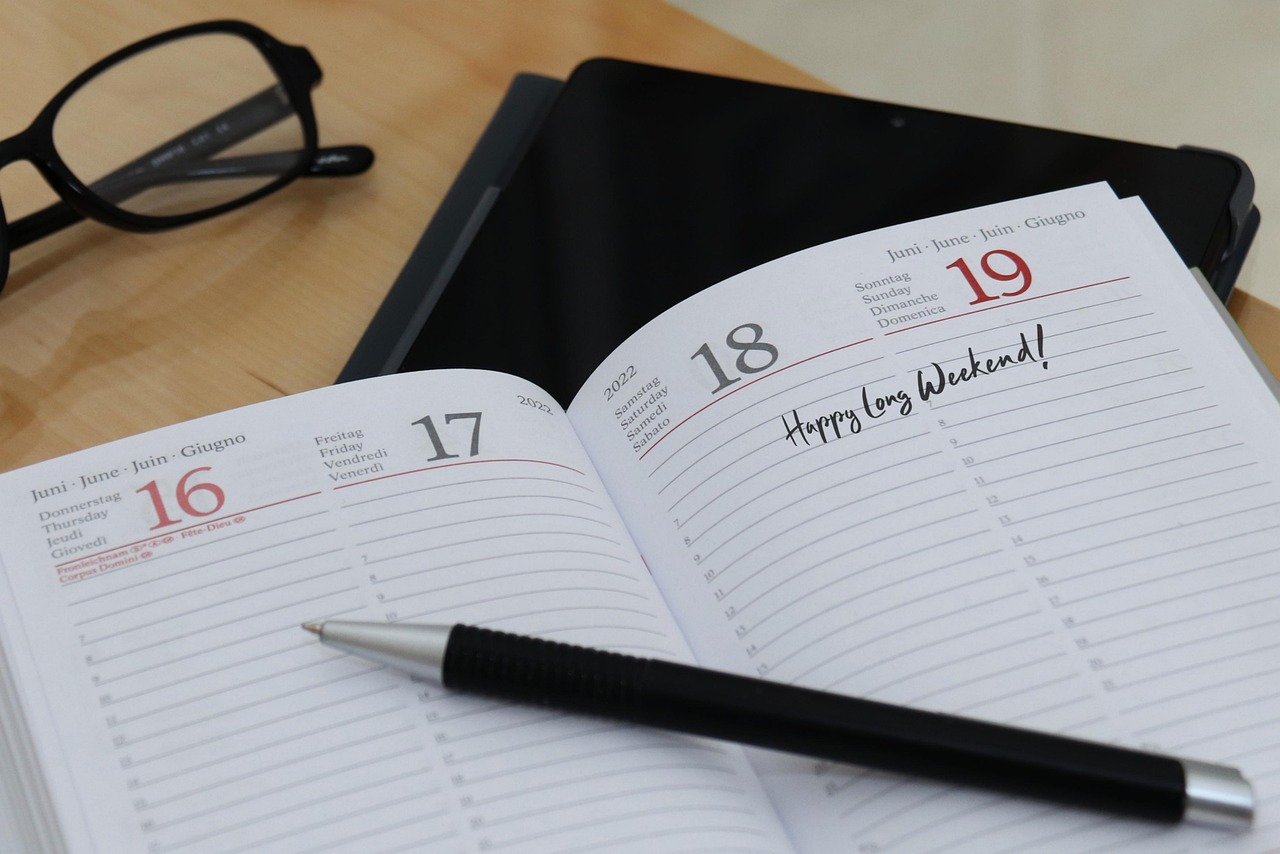
Dated journals can create momentum because each day has a defined place. They can also create guilt if a week is missed. Undated journals are more forgiving and are often better for beginners, students, parents, shift workers, or anyone whose routine changes. If consistency has been difficult in the past, an undated prompted journal is usually the less pressuring choice.
Look at page design and writing space
The layout should match the intended entry length. A compact gratitude journal may only need a few lines per day. A self-discovery journal needs more room. If the questions are thoughtful but the writing space is too small, the notebook may become frustrating. If the space is too large, beginners may feel they have failed when they only write a sentence or two. See also: Gift Guide.
Do not ignore paper and binding
For a stationery buyer, the physical experience matters. A journal that lies reasonably flat is easier to use at a desk, on a nightstand, or in a bag. Paper thickness matters if the user writes with gel pens, fountain pens, markers, or highlighters. Portability matters if the journal is meant to stay nearby during the day. These details may seem secondary, but they often decide whether a notebook is actually used.
How to use a prompted journal without turning it into homework
The most sustainable journaling routines are usually modest. A prompted journal does not need to be completed perfectly, and every page does not need to produce a personal breakthrough. Treat it as a small reflective practice rather than a performance.
- Choose one anchor time. Morning works well for intention-setting. Evening works well for review. Pick one before trying both.
- Set a minimum entry. One honest sentence is enough on a busy day. This keeps the habit alive without making the notebook feel demanding.
- Skip prompts that do not fit. A prompt is an invitation, not a rule. Rewrite it, answer part of it, or use the page for a related thought.
- Review lightly. Once a week or once a month, scan entries for patterns: repeated worries, recurring wins, unfinished decisions, or people who keep appearing in meaningful moments.
- Protect privacy. Store the journal where it feels safe. If entries include sensitive health, work, or relationship details, be thoughtful about who may access the notebook.
For many people, the best use of a prompted journal is not daily perfection but regular contact with their own thoughts. The page gives structure, while the value comes from noticing patterns over time.
Who should choose a prompted journal
A prompted journal is especially useful for beginners, people returning to journaling after a long break, and writers who like a defined theme. It can also help people who buy blank notebooks but rarely use them because the first page feels too open. Students, professionals, parents, and creative writers may all benefit from different prompt styles, provided the structure fits their real schedule.
A blank journal may be better for someone who dislikes being guided, wants to combine writing with sketching or planning, or needs space for long entries. Some experienced journalers find prompts restrictive because they already have a strong personal writing rhythm. In that case, a small deck of questions, a weekly review page, or occasional themed exercises may be enough.
The practical answer is flexible: use a prompted journal when direction helps and use a blank notebook when freedom matters more. A useful journaling setup can include both.
Frequently asked questions
Is a prompted journal good for beginners?
Yes. It is often a strong choice for beginners because the questions reduce uncertainty. Instead of deciding what an entry should be, the writer can respond to one page at a time.
Should I use a prompted journal every day?
Daily use can help build rhythm, but it is not required. Three or four thoughtful entries each week may be more sustainable than forcing rushed daily answers. An undated journal is helpful if missed days would otherwise feel like failure.
What should I write if I dislike a prompt?
Change the question. If a page asks what you are grateful for and that feels too narrow, write about what felt steady, what helped you get through the day, or what you noticed. The journal should support reflection, not trap the writer inside wording that does not fit.
Are gratitude journals and prompted journals the same thing?
No. A gratitude journal is one type of prompted journal. Prompted journals can also focus on goals, creativity, memories, wellness check-ins, relationships, travel, reading, or personal growth.
How do I know if a guided journal is too repetitive?
Some repetition is useful because it makes patterns visible. It becomes a problem when the questions stop helping the writer notice anything new. If boredom sets in after a few entries, look for a format with weekly reviews, varied themes, or more open-ended space.