
Diary journal guide for everyday writing, planning, and reflection

What is a diary journal?
A diary journal is a personal writing space for recording what happened, what mattered, and what the writer wants to remember or understand. The term combines two related habits. A diary usually focuses on dated daily events. A journal can be broader, with reflection, planning, notes, sketches, prompts, lists, or longer thinking.
For many writers, the most useful diary journal is not a perfect archive or a decorative notebook. It is a simple, repeatable system that makes private writing easy to continue. That matters because people often stop journaling when the format feels too strict. A diary journal can be as basic as a date, a few lines about the day, and one thought worth keeping. It can also become a wider record of routines, moods, reading notes, travel, study, fitness, or family life.
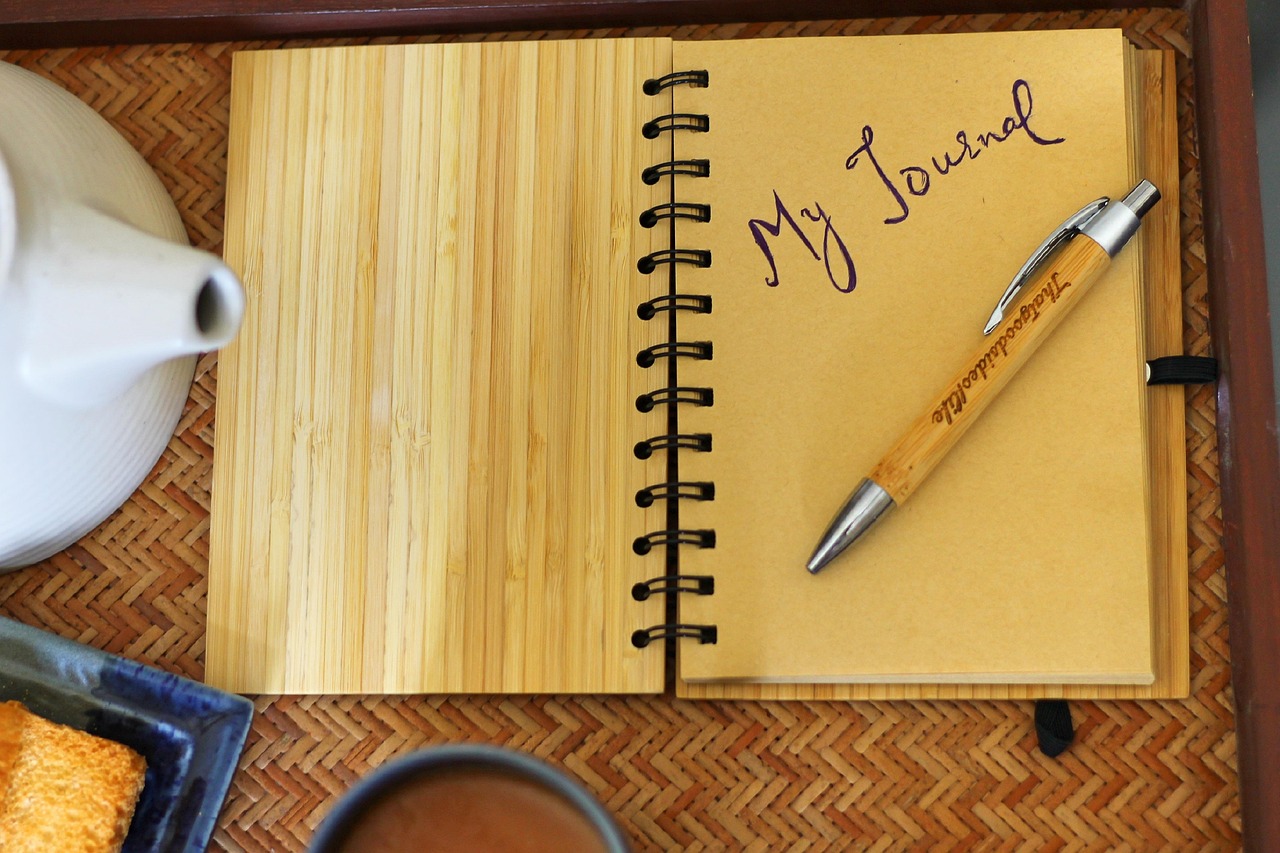
The right choice depends less on the label and more on how the notebook will be used. For more stationery and writing habit ideas, visit the journaling section.
Diary vs journal, and why the difference is flexible
The words diary and journal overlap in everyday use, but they suggest slightly different approaches. A diary is commonly associated with chronological entries, usually dated and often written at the end of the day. A journal may also be chronological, but it can be organized by topic, project, question, or practice.
That is why the phrase diary journal is practical. It describes a notebook that is personal, dated, and reflective without forcing the writer into one narrow method. A student may use one to track assignments and emotions during a semester. A professional may use one to review meetings, decisions, and priorities. A parent may record milestones and ordinary details that would otherwise be forgotten. A creative writer may mix daily observations with fragments of dialogue, ideas, and sketches.
| Feature | Diary | Journal | Diary journal |
|---|---|---|---|
| Main focus | Daily events and personal record | Reflection, ideas, projects, or themes | A mix of daily record and flexible reflection |
| Typical structure | Dated entries in order | Open structure or themed sections | Dated entries with optional lists, prompts, or notes |
| Best for | Remembering what happened | Thinking through ideas and patterns | Building a habit that can adapt over time |
| Risk | Feeling repetitive | Becoming too loose or scattered | Needing a simple system to stay consistent |
The flexible approach is often the easiest to sustain. Instead of deciding whether each page is a diary or a journal, the writer can ask a more useful question: what should this notebook help me notice, remember, or improve?
How to choose a diary journal that you will actually use
The best diary journal is not necessarily the most expensive, the thickest, or the most visually impressive. It is the one that fits your writing environment, privacy needs, pen preference, and routine. Before choosing a notebook, consider how often you plan to write and where the journal will be kept.
Size and portability
A large notebook gives more space for long entries, sketches, and pasted keepsakes, but it may stay on a desk. A smaller diary journal is easier to carry and can capture thoughts during commutes, school breaks, travel, or workdays. If the goal is a daily habit, portability often matters more than page count.
Paper layout
Lined pages suit narrative writing and traditional diary entries. Dotted pages support diagrams, trackers, tables, and visual planning. Blank pages are useful for sketching and free-form notes, although some writers find them too open. Grid pages are a balanced option for people who like both writing and organizing information.
Binding and durability
Hardcover journals protect pages and feel stable on a desk. Softcover notebooks are lighter and more flexible in a bag. Spiral binding can lay flat, which is convenient for quick notes, but it may not suit writers who want a more archival feel. Stitched or case-bound notebooks often look cleaner on a shelf, especially for long-term personal records.
Paper performance
Anyone who uses gel pens, fountain pens, markers, or highlighters should consider paper weight and absorbency. Thin paper can show ghosting or bleed-through. Smooth paper may improve comfort during long entries, while textured paper can add character but may slow fast writing. If possible, test one page with the pens you use most often.
Common diary journal formats
A diary journal can be highly structured or almost completely open. The key is to match the format to the purpose, rather than copying a system that looks attractive but feels unnatural in daily use.
Dated daily diary
This format uses one entry per day. It works well for people who want a chronological record of life events, routines, meals, weather, conversations, or personal milestones. The advantage is clarity. The limitation is that missed days can feel like failure unless the writer allows gaps.
Prompt-based journal
Prompt pages use questions such as what went well, what felt difficult, what needs attention, or what deserves gratitude. Prompts are helpful when the blank page feels intimidating. They can also create a consistent record that is easy to compare over weeks or months.
Bullet-style diary journal
A bullet-style format uses short notes, symbols, lists, and rapid logging. It is useful for busy writers who want to combine memory, tasks, appointments, and reflections. The risk is over-designing the system. If the symbols become more important than the writing, the journal may start to feel like another task.
Reflective long-form journal
Long-form entries are best for processing decisions, emotions, creative ideas, or personal change. This format can be especially valuable after important events because it preserves both what happened and how it felt at the time. It requires more time, but not necessarily every day. Weekly long-form entries can be enough.
Hybrid diary journal
A hybrid format combines dates, daily notes, monthly reviews, habit trackers, reading lists, sketches, and project pages. It offers freedom, but it works better with a simple index or section system. Without that, useful notes can become hard to find later.
A practical setup for beginners
Starting a diary journal should feel light, not ceremonial. A useful beginner setup can fit on the first few pages and be adjusted later. The goal is to reduce decisions so writing becomes easier. See also: Gift Guide.
- Choose one purpose. Decide whether the notebook is mainly for memory, reflection, planning, creativity, or emotional clarity.
- Write a short opening note. Record why you are starting, the date, and what you hope the journal will help with.
- Create a simple entry template. Use the same three to five cues until the habit feels natural.
- Set a realistic frequency. Daily writing is not required. Three entries per week can still create a meaningful record.
- Review once a month. Look for repeated themes, useful observations, and unresolved questions.
A simple entry template might include the date, location, one event, one feeling, one lesson, and one next step. This gives enough structure to begin while leaving room for longer thoughts when needed.
What to write in a diary journal
The most common obstacle is not a lack of paper. It is the feeling that an entry must be important. In practice, ordinary details often become the most valuable later. Small observations can show how routines, relationships, goals, and priorities changed over time.
- Daily events: What happened today that you may want to remember?
- Emotional check-ins: What felt heavy, energizing, confusing, or satisfying?
- Decisions: What choice are you considering, and what information matters?
- Work or study notes: What did you learn, finish, postpone, or misunderstand?
- Creative fragments: What image, sentence, idea, or question caught your attention?
- Gratitude and appreciation: What small moment deserves to be recorded?
- Monthly review: What pattern appeared more than once?
Writers who prefer structure can rotate themes. Monday might be for planning, Wednesday for reflection, Friday for memory, and Sunday for review. Writers who dislike schedules can use a looser rule: write when something feels worth keeping, but always date the entry.
Privacy, storage, and long-term care
A diary journal often contains private information, so privacy should be considered before the first entry. The simplest protection is choosing where the notebook is kept. A desk drawer, storage box, or personal bag may be enough for casual privacy. For sensitive content, a locked drawer or lockable storage case may be more appropriate.
Writers should also think carefully before recording private information about other people. A personal notebook can include honest feelings, but names, addresses, workplace details, health information, and conflicts can create complications if the journal is lost or read by someone else. One practical method is to use initials, general descriptions, or separate notes for sensitive material.
For long-term care, keep journals away from moisture, direct sunlight, and extreme heat. Paper can discolor, covers can warp, and ink can fade when stored poorly. If the diary journal is meant to become a personal archive, use pens that dry reliably and avoid materials that may transfer, smear, or damage nearby pages. Envelopes, photos, tickets, and pressed items can add meaning, but they can also thicken a notebook and stress the binding.
How a diary journal supports better reflection
The value of a diary journal is not only in preserving memories. It also creates distance from the noise of the day. Writing slows thoughts enough to make patterns visible. A concern that felt urgent in the moment may look different on paper. A vague goal can become a list of actions. A repeated frustration can become evidence that something needs to change.
This is where a diary journal differs from a simple planner. A planner looks forward and organizes tasks. A diary journal looks backward and inward, while still helping with future decisions. Used together, they can support both productivity and self-understanding. The diary journal records context: why a task mattered, what blocked it, what helped, and what should be handled differently next time.
There are limits. Journaling is not a replacement for professional support when someone is dealing with serious distress, crisis, or health concerns. It can be a useful personal practice, but it should not be treated as a cure-all. The healthiest approach is practical and flexible: use the diary journal as a tool for attention, memory, and reflection, not as a measure of personal discipline.
Frequently asked questions
Is a diary journal the same as a notebook?
A diary journal is a type of notebook, but the purpose is more specific. It is used for personal entries, reflection, memory, planning, or observation. A general notebook may be used for anything, including classes, meetings, lists, or drafts.
Should a diary journal be written every day?
Daily writing can be helpful, but it is not required. Many people keep a meaningful diary journal by writing several times a week or whenever something important happens. Consistency matters more than perfection.
Is it better to use dated or undated pages?
Dated pages create structure and encourage routine, but missed dates may feel discouraging. Undated pages are more flexible and suit people who write irregularly. Beginners often do well with an undated notebook and a habit of adding the date manually.
What size diary journal is best?
There is no single best size. A pocket or A6-style notebook is easy to carry, while an A5 or larger journal gives more room for long entries and creative layouts. Choose the size that matches where and when you actually write.
Can a diary journal include drawings, lists, and trackers?
Yes. A diary journal can include sketches, habit trackers, reading notes, pasted items, project lists, or monthly reviews. Mixed formats often make the notebook more personal and useful, as long as the system remains easy to maintain.