
How Can a Stationery and Gift Shop Make Every Gift Feel More Personal?
Why Does the Right Stationery and Gift Shop Matter?
A well-chosen stationery and gift shop makes gift buying easier when you want something personal but not too risky or costly. Pens, notebooks, cards, planners, desk items, and small creative tools all sit in a practical middle space: they can look nice, and they still get used. If you need seasonal ideas, browse the Gift Guide for simple picks that suit different ages and occasions.
Retail numbers point in the same direction. The National Retail Federation reported in October 2025 that U.S. consumers planned to spend $890.49 per person on winter holiday items, with $627.93 going to gifts for family and friends. Gift cards topped wish lists at 50%, which says a lot about how people buy now. Many recipients want choice and daily value, and stationery fits that habit because the person can use it in their own way.

Small Items That Carry Daily Emotion
A notebook by itself is simple. Add a smooth pen, a greeting card, and clean wrapping, and it feels more considered. The value is not only in the item, because the person may use it during a Monday meeting, a study session, or a quiet Sunday list. Small items can stay on a desk or in a bag for months, while a snack box may be gone by Friday.
Budget Control Without a Cheap Feel
Stationery gifts work across many budgets. A student may like a colorful pencil case, while a manager may use a plain black notebook with a metal pen. The price can move up or down, but the gift still has a clear use. This is helpful when you are buying for teachers, coworkers, club members, event guests, or several people at once.
Easy Choices for Many Recipients
Clothing needs the right size, and fragrance depends on personal taste. Tech often needs a larger budget and more product knowledge. Stationery is less difficult to choose because you can buy by role, age, color, and daily routine. That is why a stationery and gift shop is useful when you know the occasion but do not know every detail about the recipient.
What Should You Buy for Different Gift Moments?
Gift moments do not all need the same item. A quick thank-you gift needs a warm note, a back-to-school gift needs function, and a work gift needs a cleaner look. Start with the situation first, then choose a small set that solves one real need for the recipient.
Everyday Thank You Gifts
For a neighbor, volunteer, receptionist, coach, or helpful friend, keep the gift light and easy to use. A mini notebook with a gel pen and a short card is often enough. The card matters more than many buyers think, because a few specific words can change how the gift feels. A line like thanks for staying late to help with the event makes a low-cost item feel remembered.
Back-to-School and Study Gifts
Back-to-school is one of the busiest seasons for stationery. NRF data from July 2026 said families with K-12 students planned to spend an average of $863.86, with $146.45 for school supplies. Total K-12 spending was expected to reach a record $43.3 billion, while college back-to-school spending was expected to reach $103.5 billion. That makes school supplies more than small add-ons; they are part of a major shopping season.
For younger students, choose durable pencil cases, washable markers, simple folders, and fun erasers. For teens and college students, notebooks with stronger covers, highlighters, sticky notes, index tabs, and planning pads are usually better. A sports-themed notebook or training journal can also suit students who track practice schedules. It is a small link between stationery and active life, and it feels more personal than a random pack of pens.
Office, Teacher, and Team Gifts
Office and teacher gifts usually need a quieter style. Neutral colors, smooth writing tools, desk pads, page markers, and simple cards are safer choices unless you know the person likes loud jokes. For team gifts, use the same core item for everyone and change only the color or small detail. This keeps the set fair without making every gift look exactly the same.
How Do You Build a Stationery Gift Set That Looks Finished?
A good gift set does not need ten pieces. Too many small items can look messy and make the gift feel less focused. Build around one main item, add two useful extras, and finish with a card. This plain structure helps the gift look planned, even if you bought it during a lunch break.
One Main Item with a Clear Use
Choose one anchor piece first. It could be a weekly planner, hardcover journal, sketchbook, desk calendar, pencil case, or letter-writing set. The anchor should answer a clear need: a planner helps with dates, a sketchbook gives space for drawing, and a letter set suits someone who still likes handwritten notes. Those people still exist, and they often care about paper quality more than you expect.
Two Small Extras for Texture
Add two smaller items that make the main piece easier to use. A planner works well with sticky tabs and a fine-tip pen, while a sketchbook fits with pencils and a soft eraser. A greeting-card set can pair with stamps and a storage folder. Keep the extras useful rather than only decorative, because cute items are better when they actually get used.
A Card That Says the Right Amount
The card should fit the relationship. For a teacher, write a short note about effort; for a coworker, mention a shared project; for a friend, one small funny detail is fine. Deloitte 2025 holiday survey findings said 72% of consumers felt wish lists make holiday shopping easier, and 64% liked receiving gifts from wish lists because they knew they would use them. A card gives you a similar benefit because it explains why this gift belongs to this person.
Which Materials, Designs, and Packaging Feel Worth It?
Stationery gifts are touched, opened, carried, and sometimes kept for years. Material choices matter for that reason. You do not need luxury pieces every time, but the item should feel good in the hand and hold up during normal use.
Paper Weight and Smooth Writing
For notebooks and journals, the paper should not bleed through too easily with common pens. A smoother page makes writing feel cleaner and less scratchy. If the recipient uses markers or fountain pens, choose heavier paper. For everyday school or office use, a mid-weight page is usually enough, and the simple test is whether the person can write on both sides without the back looking messy.
Color Palettes That Travel Well
Bright designs work well for kids, art students, and people with a playful style. For broader gifting, softer color palettes are easier to place: navy, forest green, cream, gray, blush, tan, or black. These colors fit a desk, a backpack, and a meeting room. If you are not sure, choose one calm base color and add one small cheerful item, such as a patterned sticky note pad. See also: Inks.
Packaging That Protects the Surprise
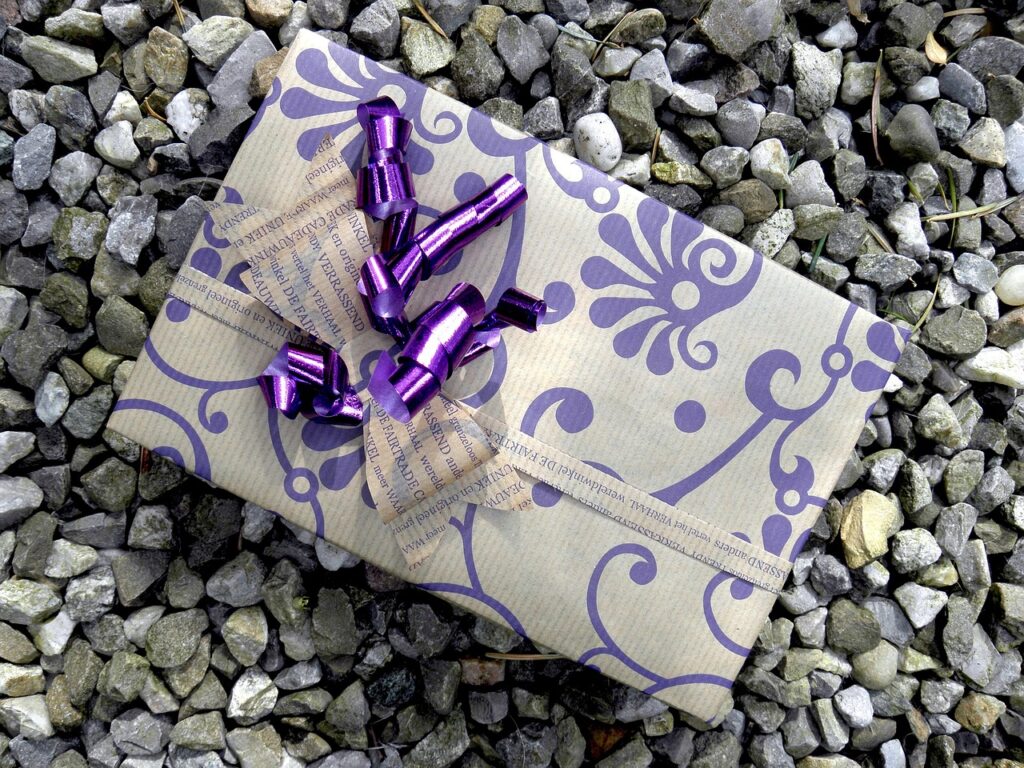
Packaging has two jobs: protect the product and make the opening feel neat. A crushed corner on a notebook makes the whole gift look rushed. Use a sleeve, box, paper wrap, or reusable pouch when the item needs protection. For online orders, check whether the shop offers gift-ready packing, because a neat package does not need to be fancy; it just needs to look cared for.
How Can You Shop Smarter Online and in Store?
Gift shopping now moves between websites, stores, social feeds, and family chats. PwC reported in its 2026 U.S. back-to-school consumer poll that in-store shopping was expected to fall to 70% from 79% the year before, while families compared products across more channels. Gift buyers can use the same habit: browse online, check colors and sizes, then buy in person if timing is tight.
Use Gift Guides Before Big Seasons
Gift guides save time because they group ideas by person, budget, and occasion. Use them before busy seasons such as back-to-school, Teacher Appreciation Week, graduation, office holidays, and Christmas. NRF also reported in 2025 that 42% of holiday shoppers planned to start before November, mainly to spread out spending or avoid last-minute pressure. Early browsing is not overthinking; it is how you avoid buying a random mug at 8 p.m.
Check Details That Affect Real Use
Before you buy, check size, page count, pen type, refill options, binding, closure, and whether the item fits inside a normal bag. For kids, look at durability and washable materials. For office gifts, check if the design is too casual, and for artists, check paper type. These details are small, but they often decide whether the gift gets used or stays in a drawer.
Order Early When Timing Matters
If you need custom names, bulk sets, event gifts, or holiday shipping, order early. Personalized stationery often needs extra handling time. Bulk gifts also need checking, packing, and sometimes replacement if one item arrives damaged. A safe habit is to order at least two weeks before a normal event, and earlier during November, December, or the back-to-school rush.
What Mistakes Should You Avoid When Picking Stationery Gifts?
Stationery is easy to give, but it can still go wrong. Most mistakes happen when the buyer chooses by personal taste instead of the recipient’s daily life. A good stationery and gift shop should help narrow the choice, not push every cute item into the basket.
Too Many Cute Pieces at Once
A gift set with twelve tiny items can feel crowded. It may also look cheaper than three better pieces. If you like playful stationery, choose one clear design feature, such as a fun cover or shaped clips, and balance it with plain useful items. The gift will feel more grown-up and will be easier to use.
Style Mismatches for Formal Recipients
For teachers, supervisors, clients, or formal coworkers, avoid designs that look too childish, sarcastic, or loud. Simple lines and practical colors are safer. A quality pen and notebook set usually works better than a novelty item. You can still add warmth through the card or the packaging.
Last-Minute Orders with Custom Work
Names, logos, class labels, event dates, and monograms can make stationery feel more personal, but they add risk when ordered late. Spellings need checking, colors need approval, and delivery needs time. If the event is soon, choose a ready-made item and personalize the card instead. A clean gift that arrives on time is better than a custom gift that shows up after everyone has gone home.
FAQ
Q1: What Makes Stationery a Good Gift? A: Stationery is useful, personal, and easy to match with different ages and occasions. A notebook, pen, planner, or card set can fit school, work, home, travel, or creative routines.
Q2: How Much Should You Spend at a Stationery and Gift Shop? A: A thoughtful gift can start small. For casual thanks, a notebook and pen may be enough. For teachers, office gifts, or holidays, build a set with one main item, two extras, and a card.
Q3: What Stationery Gifts Work Best for Students? A: Students usually need durable pencil cases, notebooks, sticky notes, folders, highlighters, planners, and easy-grip pens. For older students, choose cleaner designs and stronger materials.
Q4: Are Personalized Stationery Gifts Worth It? A: Yes, when you have enough time and correct details. Names, initials, or custom cards can make the gift feel special. If timing is short, personalize the message instead.
Q5: How Do You Make a Simple Stationery Gift Look Premium? A: Choose one quality main item, add two useful extras, keep the colors coordinated, and use neat packaging. A sincere card often makes the biggest difference.