
Things to do in a notebook for planning, journaling, and creative thinking

What can you do with a notebook?
A notebook can help you think, plan, remember, create, or reflect. It does not need a perfect theme before you write on the first page. It can hold daily plans, private thoughts, book notes, sketches, lists, goals, project ideas, or small records of ordinary life. The most useful notebook is usually the one with a clear job and a low barrier to use.
For a practical start, choose one main purpose for the first 20 pages. You might use it as a daily log, a creative journal, a study notebook, or a catch-all place for ideas. If you enjoy journaling, your notebook can also combine reflection with planning, so it supports both your schedule and your state of mind.
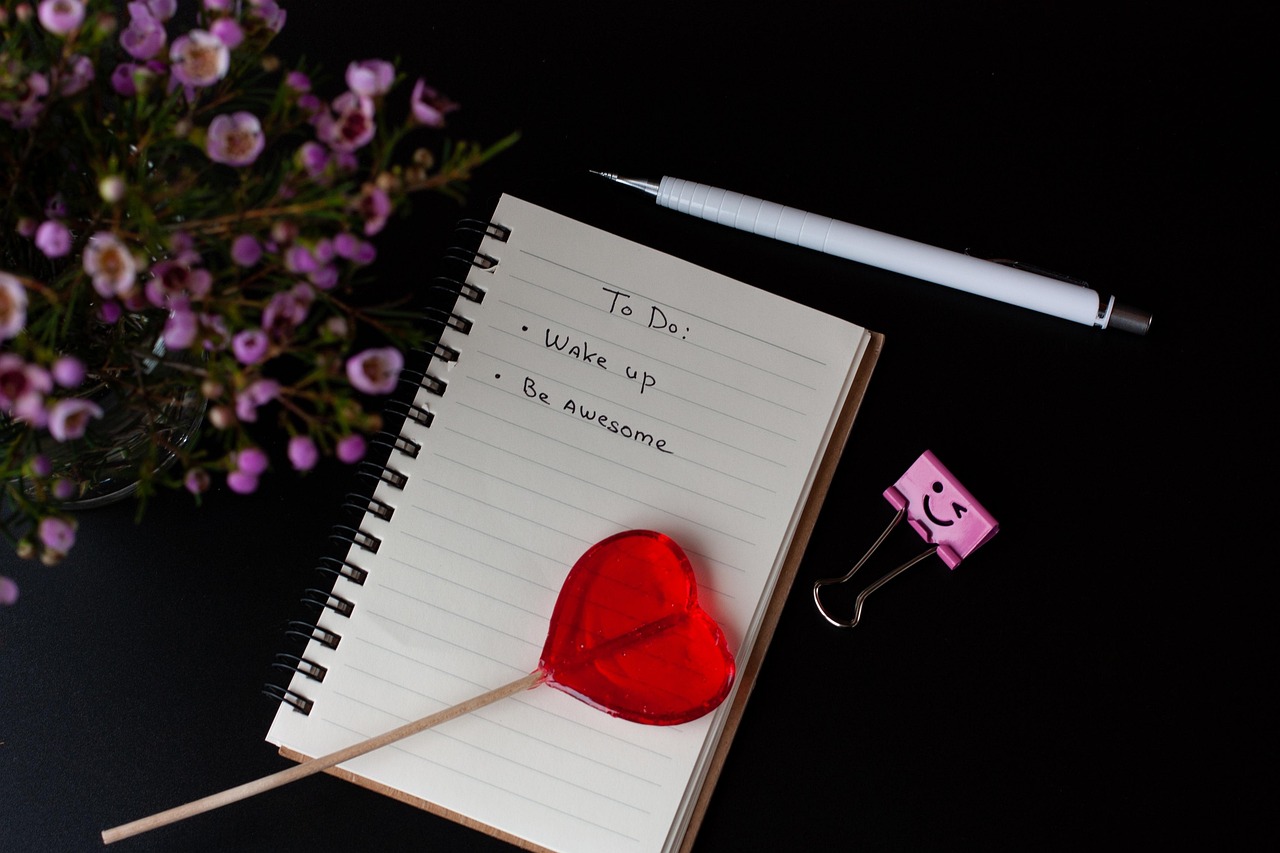
Choose a notebook role before choosing a layout
Many people get stuck because they try to design a polished system before they know what the notebook is for. A better approach is to give the notebook a role first. The role tells you what to write, how often to use it, and how structured each page needs to be.
Here are six useful roles for a notebook:
- Planner: For tasks, appointments, routines, and deadlines.
- Journal: For thoughts, feelings, decisions, gratitude, and personal reflection.
- Creative space: For sketches, poems, story ideas, color tests, and brainstorming.
- Learning notebook: For class notes, reading notes, language practice, and summaries.
- Memory keeper: For travel notes, family moments, quotes, tickets, and small life details.
- Reference notebook: For recipes, measurements, wish lists, password hints, and recurring information.
You can mix roles, but it helps to name a primary one. A notebook that tries to be everything can become hard to navigate. A notebook with one main role can still include a few flexible sections without losing its usefulness.
Practical notebook ideas for everyday planning
Planning is one of the easiest ways to turn a blank notebook into a daily tool. Unlike a digital calendar, a paper notebook gives you room to connect tasks with context. You can write the appointment, the preparation steps, the follow-up note, and the reason it matters on the same spread.
Daily task pages
Use one page per day or half a page per day. Write the date at the top, then list three priority tasks, smaller errands, and any time-sensitive reminders. Keep it realistic. A short list you can complete is more useful than a crowded page that makes the day feel impossible.
Weekly reset pages
A weekly reset page helps you step back from daily tasks. Divide the page into work, home, health, money, people, and personal sections. Under each section, write what needs attention this week. This format works well because it prevents one area of life from crowding out everything else.
Running to-do list
A running list is ideal for tasks that do not belong to a specific day. Create a two-page spread and add tasks as they appear. Once or twice a week, move the important items into your daily or weekly plan. This reduces mental clutter and keeps random reminders from disappearing.
Simple project planner
For a project, use one page for the goal, one page for milestones, and one page for next actions. Add a small section for open questions. This works for home organization, content planning, school assignments, events, and personal goals. The notebook becomes a place to clarify the work, not just list it.
Journaling ideas for reflection and self-awareness
Journaling is one of the most common answers to what to do with a notebook, but it does not have to mean writing long diary entries every night. Research on expressive writing and gratitude writing is mixed across populations and study designs, so it is better to treat journaling as a reflective habit rather than a guaranteed health intervention. Its everyday value is practical: it helps you notice patterns, name concerns, and make decisions with more context.
Morning pages or quick morning notes
Write one page in the morning without editing. If a full page feels too much, write five lines: what is on your mind, what you need to do, what you are avoiding, what would make today easier, and one thing you want to remember. This gives the day a calmer starting point.
Evening reflection
At night, use three prompts: what happened, what mattered, and what I learned. This format keeps the entry grounded. It is especially helpful if you do not like open-ended diary writing but still want a record of your life.
Gratitude and appreciation lists
A gratitude page does not need to be sentimental. Write specific details: a helpful message, a meal that tasted good, a solved problem, a clean desk, or a quiet walk. Specific gratitude is easier to believe than vague positivity.
Decision journal
When you make a meaningful decision, record the date, the options, your reasoning, the expected outcome, and your doubts. Revisit the page later. Over time, this notebook practice can show whether your decisions are usually driven by evidence, pressure, fear, convenience, or genuine priorities.
Creative things to do in a notebook
A notebook can also work as a low-pressure studio. Paper does not ask you to publish, polish, or perform. It gives you a place to make rough marks, collect fragments, and let ideas develop before they become finished work.
Sketchbook pages
You do not need to be an artist to keep sketchbook pages. Draw objects on your desk, floor plans, plant shapes, outfit ideas, room layouts, or patterns. If drawing feels intimidating, set a rule that each sketch can take only two minutes. The goal is observation, not perfection.
Writing prompts
Use your notebook for short scenes, character notes, poem fragments, essay ideas, or alternate endings to real situations. A good prompt is concrete. Try “a room after everyone has left,” “a letter never sent,” or “a city described through sounds.”
Color, pen, and paper tests
If you enjoy stationery, dedicate a few pages to testing pens, inks, highlighters, washi tape, and markers. Note whether a pen bleeds through, ghosts on the back of the page, dries quickly, or works well with small handwriting. This turns your notebook into a useful reference for future writing sessions.
Mood boards without a screen
Use clippings, labels, tickets, color swatches, and small printed images to make paper mood boards. These pages are useful for room decor, seasonal planning, visual identity, travel inspiration, or personal style. Because the space is limited, you have to choose what truly fits the mood. See also: Gift Guide.
Learning, reading, and knowledge notebook ideas
Notebooks have long been used to collect knowledge. Historical commonplace books, for example, were used to copy quotations, reading notes, and useful observations under topics or indexes. The modern version can be simple: capture what you read, explain it in your own words, and make it easy to find later.
| Notebook use | What to write | Why it helps |
|---|---|---|
| Reading log | Titles, authors, dates, favorite passages, and short reactions | Turns reading into a record you can revisit |
| Commonplace book | Quotes, ideas, facts, and observations grouped by topic | Builds a personal reference library |
| Study notebook | Lecture notes, summaries, diagrams, and practice questions | Supports active recall and review |
| Language notebook | New words, example sentences, grammar patterns, and mistakes | Makes progress visible over time |
Use the page in layers
For learning notes, try a layered page. First, write raw notes during the class, video, or reading session. Later, add a short summary in the margin or at the bottom. Finally, write two or three questions that test whether you understand the material. This turns passive notes into active study material.
Create an index as you go
If your notebook does not have numbered pages, number them yourself. Reserve the first two pages for an index. Each time you start an important topic, add the page number and a short label. This small habit makes mixed notebooks much easier to use.
Trackers, lists, and personal records
Trackers are popular because they make invisible patterns visible. The risk is that they can become decorative chores. A tracker should answer a question you actually care about. If the information will not change your choices, you probably do not need to track it.
Habit tracker
Choose three to five habits at most. Examples include reading, stretching, taking medication, walking, cleaning for ten minutes, or practicing an instrument. Use a monthly grid and mark each day. Leave room for notes, because context often matters more than a perfect streak.
Spending log
A notebook spending log can be simpler than a full budget. Write the date, item, amount, and category. Add a weekly reflection: what was necessary, what was impulsive, and what brought real value. This makes the notebook a decision tool instead of a guilt tool.
Meal and recipe notes
Use a notebook to record meals that worked, grocery staples, substitutions, and cooking times. For recipes, include what you changed and whether you would make it again. These notes are often more useful than a printed recipe because they reflect your kitchen, taste, and schedule.
Health and energy observations
You can record sleep, energy, symptoms, exercise, or mood in a notebook, but keep the claims modest. Personal tracking can help you notice patterns to discuss with a professional, but it is not a diagnosis. If a symptom is serious, persistent, or worrying, use the notebook as supporting information and seek qualified advice.
How to organize a notebook so you keep using it
The best notebook system is the one you can maintain on a busy day. That usually means fewer rules, clear labels, and an easy way to find important pages. You do not need an elaborate setup to make a notebook feel organized.
- Reserve the first pages for an index. Add topics only when they become useful.
- Date every entry. Dates create context and make progress easier to see.
- Use simple symbols. For example, a box for tasks, a dot for notes, a star for important ideas, and an arrow for moved items.
- Separate collections from daily pages. Collections are reusable lists such as books to read, gift ideas, or project notes.
- Review once a week. Move unfinished tasks, mark useful pages in the index, and let go of anything that no longer matters.
Bullet-style notebook systems often use rapid logging, migration, and indexes to keep pages flexible. You can borrow those ideas without copying a full method. The key is to capture information quickly, review it regularly, and move only the tasks or ideas that still deserve attention.
A simple starter plan for your next 30 pages
If you still feel unsure, use the first 30 pages as an experiment. This removes the pressure to define the whole notebook before you begin.
- Pages 1-2: Index.
- Pages 3-4: Monthly overview with appointments, deadlines, and goals.
- Pages 5-12: Daily or weekly planning pages.
- Pages 13-16: Journal entries using morning or evening prompts.
- Pages 17-20: Reading notes, quotes, or study summaries.
- Pages 21-24: Creative pages for sketches, lists, or brainstorming.
- Pages 25-28: Trackers for habits, spending, meals, or routines.
- Pages 29-30: Review what worked and decide how to use the rest of the notebook.
After those 30 pages, keep the sections you actually used and ignore the ones that felt like homework. A notebook should serve your life, not create another standard to meet.
Frequently asked questions
What should I write on the first page of a notebook?
Write your name, the start date, and the notebook’s main purpose. If you are nervous about the first page, make it an index or a simple “current season” page with priorities, interests, and things you want to pay attention to.
Can one notebook have many purposes?
Yes, but it needs light organization. Use dates, page numbers, and an index. If two purposes compete, such as private journaling and work planning, separate notebooks may feel easier and safer.
How do I make a notebook less messy?
Mess is not always a problem. If you can find what you need, the notebook is working. To make it clearer, leave margins, start major topics on a new page, add headings, and review weekly.
What is the easiest notebook habit to start?
The easiest habit is a three-line daily log: one thing you did, one thing you need to do next, and one thing worth remembering. It takes less than five minutes and gives the notebook a steady rhythm.
What if I stop using a notebook halfway through?
Restart on the next blank page. Add the new date and write a short note about what you need now. A half-used notebook is not a failure; it is often just a record of changing priorities.