Cartier pen guide for buyers, collectors and everyday writers

A Cartier pen is usually purchased for design, gifting, heritage and the pleasure of daily use, not as a low-cost way to write. The practical choice depends on how the pen will be used: a ballpoint suits signatures and everyday notes, a rollerball gives a smoother feel for longer writing, and a fountain pen appeals to writers who enjoy ink character and routine maintenance. Cartier’s public product information in 2026 shows writing instruments across Santos de Cartier, Panthère de Cartier, R de Cartier, Trinity and limited Art Deco-inspired designs, with official refills and personalization available on selected models. Before buying, compare format, size, refill access, condition, documents and return rules.
What a Cartier pen is really for
Buyers searching for a Cartier pen often have different aims. Some want a luxury gift that is more practical than jewelry. Others are collectors looking for a writing instrument tied to Cartier’s watchmaking and design codes. Some simply want a dependable daily pen with recognizable luxury styling. These are not the same purchase, so the best choice is not automatically the most expensive model.
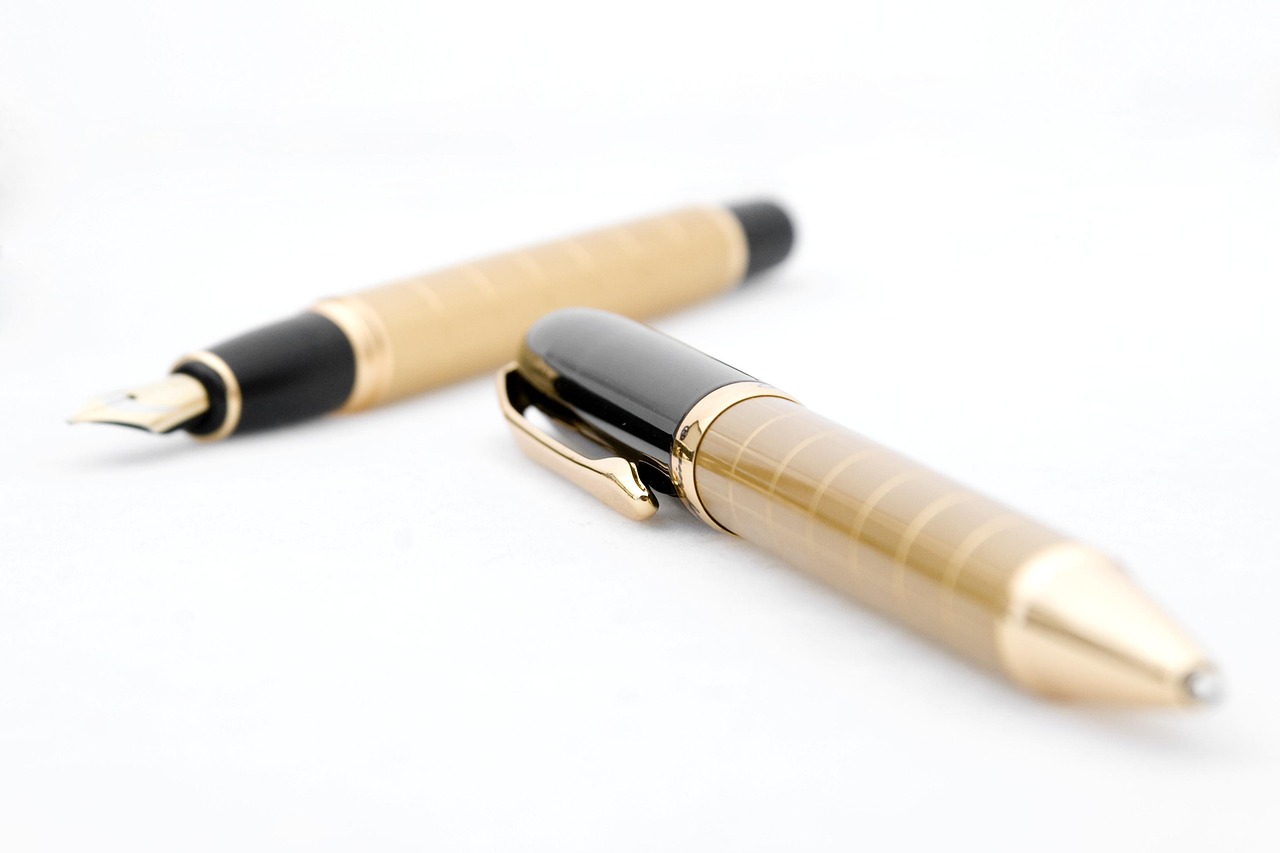
Cartier was founded in Paris in 1847, and Richemont’s current Maison information places Cartier primarily in high jewelry, jewelry, watchmaking, fragrances, leather goods and accessories. Pens sit within that accessories category. They are functional objects, but much of their value comes from finish, proportion, motif, packaging, service route and brand identity.
If writing performance is the only priority, many specialist pen makers offer broader nib systems, larger ink ecosystems or lower-cost refills. If the goal is a refined desk object, a business gift, or a pen that echoes Cartier watches and jewelry, Cartier becomes more relevant. For broader writing-instrument comparisons, see our pen guides.
Main Cartier pen families to know
Cartier’s 2026 public listings show a range that is wider than one signature pen. The overview below is based on official product descriptions, but buyers should confirm current availability before ordering because colors, finishes and prices can change.
| Family or model | Typical details seen in official listings | Best suited for |
|---|---|---|
| Santos de Cartier | Ballpoint models in small and large sizes, with palladium-finish or gold-finish details, screw motifs, brushed metal, lacquer, composite or engraved metal versions. | Buyers who like Cartier watch codes and want a recognizable everyday luxury ballpoint. |
| Panthère de Cartier | Small ballpoints with panther-head detailing, clou de Paris on the agrafe, cabochon details and metal or lacquer finishes. | Gift buyers and collectors who prefer a more jewelry-led Cartier identity. |
| R de Cartier | Ballpoint and rollerball options, composite bodies, palladium-finish details and blue resin cabochons on selected models. | Writers who want a classic Cartier accessory with a relatively understated shape. |
| Trinity | Ballpoints with three interlaced rings and brushed metal finishes, linking the pen to Cartier’s Trinity design language. | Buyers who want a clear Cartier reference without a larger collector-style body. |
| Art Deco-inspired designs | Numbered limited editions appear in official listings, including black lacquer, palladium finish and decorative cabochon details. | Collectors and gift buyers who value rarity more than everyday practicality. |
Ballpoint, rollerball or fountain pen
The writing format matters more than the logo once the pen is in regular use. A Cartier ballpoint is the most practical option for most buyers. It works well for quick signatures, travel, meetings and occasional notes. Ballpoint ink is usually less demanding on paper and is less likely to feather than wetter systems. The trade-off is a firmer writing feel.
A rollerball is better for writers who want a darker, smoother line with less pressure. It can feel closer to a fountain pen without the same cleaning routine. The downside is that rollerball ink may run out faster and can be more sensitive to paper quality and drying time.
A fountain pen should be chosen only if the recipient already enjoys fountain pens or is willing to learn. It offers the richest writing experience, but nib preference, ink choice, cleaning and storage all become part of the decision. Cartier’s listings include fountain-pen cartridges and compatible accessories, but a fountain pen is rarely the safest blind gift unless the buyer knows the writer’s habits.
Refills, personalization and service details
Refills are one of the most important practical checks before buying. Cartier’s pen-refill listings separate ballpoint, rollerball and fountain pen supplies, and official descriptions show that compatibility can vary by family. For example, some ballpoint refills are listed for Must, Panthère and Vendôme ballpoint pens, while other refills are described for Santos-Dumont, R de Cartier, Diabolo, Santos de Cartier, Louis Cartier and Trinity models. Do not assume that every Cartier refill fits every Cartier pen.
Many official Cartier pen pages describe the pen as accompanied by a refill, often blue ink and medium size for ballpoint listings. That is useful for immediate use, but buyers should still check replacement availability before choosing a discontinued or vintage model.
Personalization can make a gift feel more considered, but it also affects return options. Cartier’s U.S. conditions of sale state that engraving and embossing may be available on specific products, including pens, and that personalized, engraved or embossed creations cannot be returned for exchange or refund. If the recipient’s taste is uncertain, it is often safer to give the pen first and personalize it later if the option is available through Cartier service.
Cartier also describes maintenance and repair services for writing instruments on its official service pages. That service route is part of the ownership value, especially for a luxury pen that may be kept for many years.
How to evaluate authenticity and condition
Authenticity matters because Cartier pens are small, portable luxury goods with an active second-hand market. A low price alone is not proof of a problem, but it should prompt closer inspection. Start with the seller, not only the pen. Official boutiques, Cartier e-boutiques and authorized retailers offer the clearest purchase trail. On the secondary market, ask for detailed photos, original packaging, purchase documents where available and a clear return policy. See also: Gift Guide.
Cartier’s sales information says delivery may include related accessories, a product user guide, and a warranty card or certificate of authenticity as applicable. The phrase as applicable is important: paperwork can differ by market, product type and date. Missing paperwork does not automatically prove a fake, but a seller who cannot explain the purchase history deserves caution.
Inspect the finish carefully. Look for clean engraving, aligned motifs, crisp clip construction, consistent plating or lacquer, and a refill mechanism that operates smoothly. On models with cabochons, screws, panther details or Trinity rings, uneven setting and rough finishing are warning signs. Some Cartier service material also describes individual serial numbers for writing instruments, but a serial number should be treated as one supporting detail, not proof by itself.
- Confirm the exact model name and reference if available.
- Check whether the refill type matches the model family.
- Compare dimensions and finish details with official product descriptions.
- Ask whether the pen has been engraved, repaired or modified.
- Avoid listings that use only stock images or refuse close-up photos.
Who should buy a Cartier pen
A Cartier pen makes the most sense for a buyer who values design identity, gift presentation and long-term ownership as much as writing performance. It is especially suitable for graduations, promotions, client gifts, anniversaries and personal desk accessories. A Santos de Cartier or R de Cartier ballpoint is generally the safest practical choice because it fits everyday use and does not require fountain-pen habits.
It may not be the best choice for someone who loses pens frequently, prefers ultra-light plastic bodies, writes long pages every day, or wants the largest refill ecosystem at the lowest cost. In those cases, a specialist writing brand may offer better utility. The strongest reason to choose Cartier is not that it writes more words per dollar, but that it turns an ordinary writing task into a considered object experience.
Frequently asked questions
Is a Cartier pen worth it for everyday use?
It can be, especially in ballpoint form, if the buyer values the object, finish and brand language. For pure writing economy, it is not the most rational choice. As a daily luxury accessory, it can make sense.
Which Cartier pen is safest as a gift?
A ballpoint is usually safest because it is familiar, low maintenance and useful for signatures and short notes. Avoid engraving before the recipient confirms the model, unless the gift is final and returnability is not important.
Do Cartier pens use special refills?
Cartier sells official refills, and compatibility varies by model family and writing type. Check whether the pen is a ballpoint, rollerball or fountain pen, then match the refill to the exact model rather than relying on the brand name alone.
Should I buy a vintage Cartier pen?
A vintage Cartier pen can be appealing, but it requires more caution. Confirm condition, mechanism, refill availability, model details and seller reputation. Packaging and documents help, but they should be assessed together with the pen itself.
Can a Cartier pen be repaired?
Cartier’s official service information includes maintenance and repair for writing instruments. Availability, cost and feasibility depend on the model, age, parts and market, so owners should contact Cartier service or a boutique before attempting third-party repair.