HP Notebook vs Paper Notebook Which Is Better for Daily Work?
HP Notebook vs Paper Notebook Which Fits Your Daily Work?
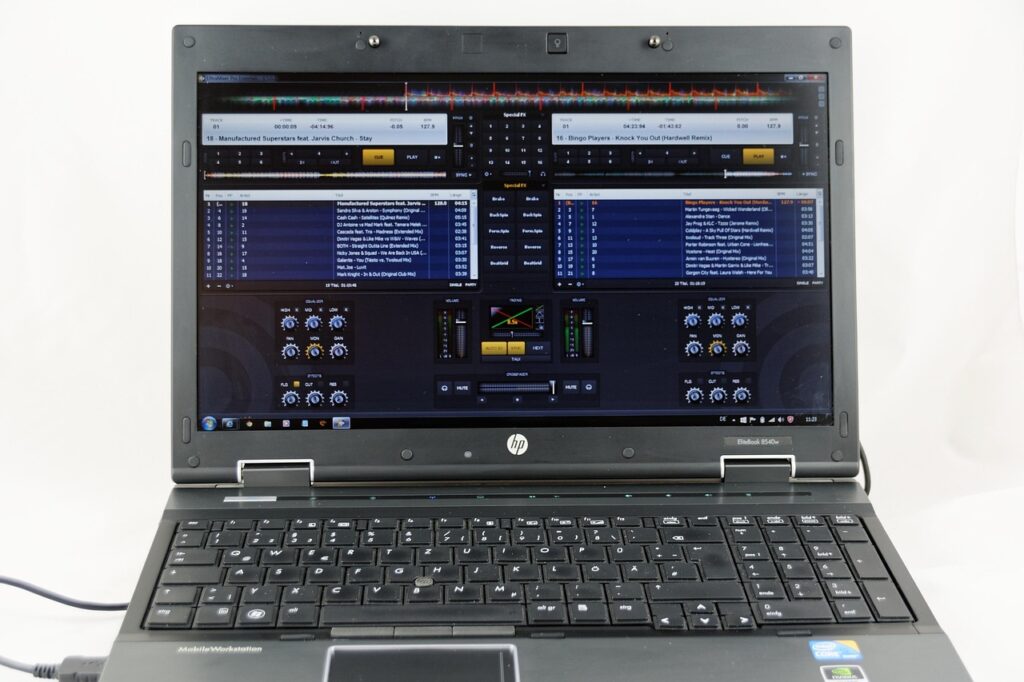
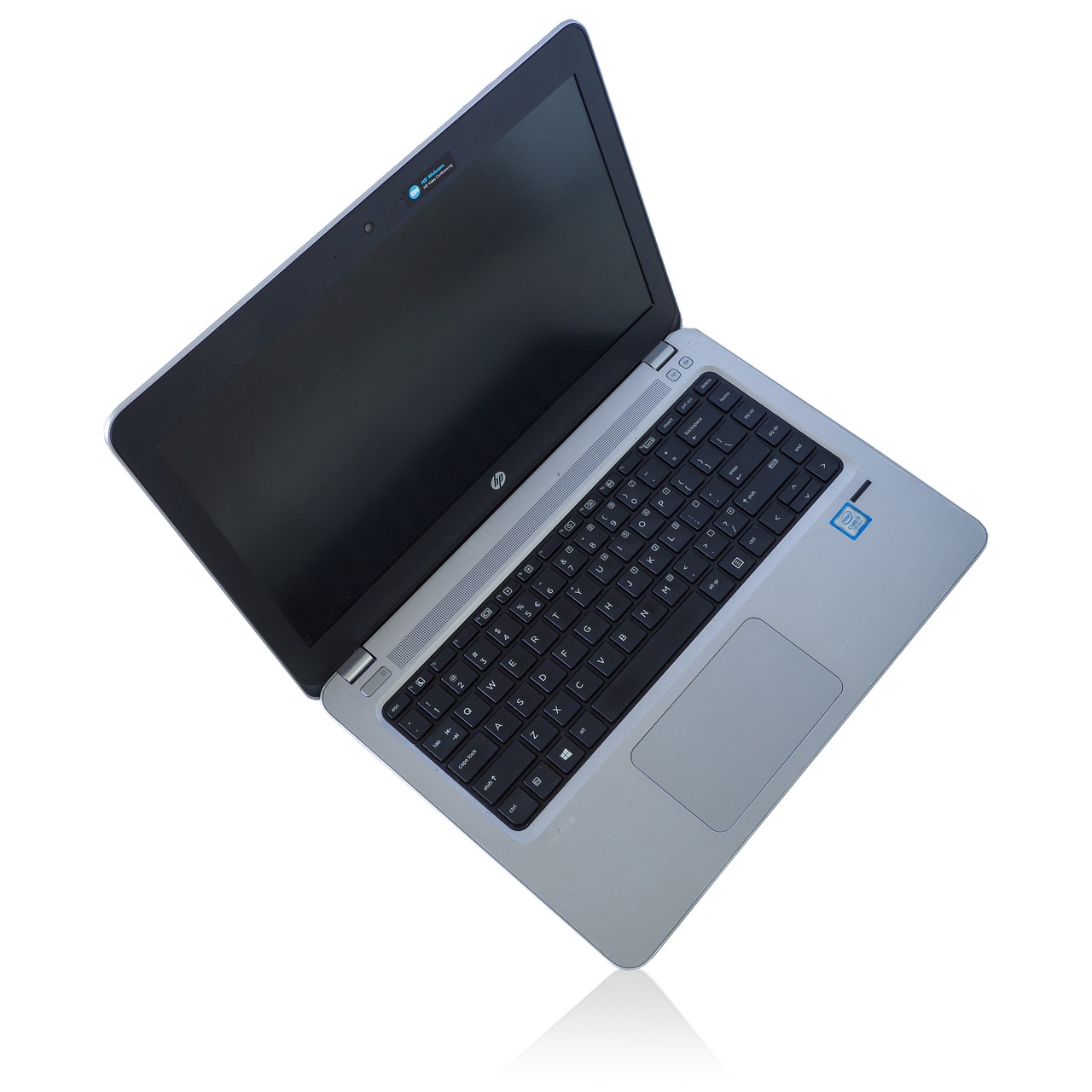
If you search for an HP notebook, you are probably looking for a laptop for study, office work, travel, or trade communication. A screen can handle many jobs, but it does not replace a good paper notebook. For daily writing supplies, planners, and study books, you can browse the Notebook category and set up a simple system beside your laptop.
Screen Speed and Paper Focus
An HP notebook is useful for email, spreadsheets, cloud files, and video calls. Paper is useful for rough thinking, quick sketches, price notes, and tasks you do not want to lose inside another app. These two tools do not do the same job, so the right choice depends on the work in front of you.
The Two-Minute Meeting Note
In a supplier call, you may need to write down a model number, carton size, payment term, and delivery date in two minutes. Typing is quick, but paper lets you circle, underline, and draw arrows without changing windows. When people speak over each other, that small freedom can save a detail.
A Simple Hybrid Routine
Use the laptop for stored records and use paper for first notes. After the meeting, move only final decisions into a digital file. This keeps your HP notebook clean and easy to search, while the paper notebook holds the loose details that often come up in real work.
Why Should You Keep Paper beside an HP Notebook?
A laptop has strong functions, but it also brings noise. Notifications, tabs, chat windows, and file folders can pull you away from the one thing you planned to write. A paper notebook gives you a smaller space, and that can help when you need to think without interruption.
Less Distraction during First Drafts
When you plan a product page, purchase list, or class summary, paper makes it harder to jump to a browser tab. You can write three headings, cross one out, and keep going. It may feel slower at the start, but the thought line is often easier to follow.
Better Memory for Key Ideas
Frontiers in Psychology published a 2024 high-density EEG study on young adults aged 18 to 29. The researchers reported more elaborate brain connectivity during handwriting than during typewriting. This does not mean paper is better for every task, but it supports handwritten notes when you want ideas to stay in memory. (frontiersin.org)
Useful Backup When Power Runs Low
A 14-inch laptop, charger, mouse, and adapter already take up space in a work bag. A slim A5 notebook adds little weight and still works on a plane tray, warehouse desk, or school hallway bench. It needs no battery, login, or update screen, which is useful on busy days.
What Does Public Data Say about Digital and Paper Habits?
Public data shows a clear pattern: digital work keeps growing, but paper has not left daily work. The point is not to argue for one tool. It is to put each tool where it works best.
Large PC Demand Creates More Screen Time
Gartner reported in January 2026 that worldwide PC shipments reached 71.5 million units in the fourth quarter of 2025 and more than 270 million units for the full year, up 9.1% from 2024. Gartner also noted that HP kept the No. 2 vendor spot. This means HP notebook searches have real market demand, not just a small user group. (gartner.com)
Digital Access Is Common but Uneven
Pew Research Center reported in January 2024 that 95% of U.S. adults use the internet, 90% have a smartphone, and 80% subscribe to home broadband, based on a 2023 survey. Digital access is wide, but it is not the same across every income group. Paper is still easy to use when connection, speed, or shared devices become a problem. (pewresearch.org)
Paper Recycling Remains a Real Factor
The U.S. Environmental Protection Agency reported that paper and paperboard had a 68.2% recycling rate in 2018, with about 46.0 million tons recycled. This does not make every paper product perfect. It does show why recycled content, sensible page use, and local recycling rules should be part of notebook buying decisions. (epa.gov)
How Should You Choose a Paper Notebook for HP Laptop Users?
If your laptop is the main work machine, the paper notebook should not compete with it. It should cover the gaps: quick notes, comfortable writing, project tracking, and easy carrying. In most buying cases, size and page feel come first.
Page Size That Matches Your Bag
A5 is a safe daily size for students, salespeople, and office staff. It fits beside many 13-inch to 15-inch laptops without taking over the desk. A4 works better for diagrams, training notes, and warehouse checklists, but it can feel large during travel.
Paper Weight That Handles Daily Pens
For ballpoint and gel pens, 70 to 80 gsm paper is usually enough. If you use markers, fountain pens, or heavy highlighters, thicker paper helps reduce show-through. The small extra cost can stop you from wasting the back side of each sheet.
Binding Style That Opens Flat
Spiral binding works well for quick desk notes because the page can fold back. Sewn or hard cover binding feels better for journals and client-facing use. If you write while standing, a firm cover may help more than a decorative cover design. See also: Gift Guide.
- Choose A5 for daily carry and quick notes.
- Choose A4 for diagrams, classes, and wide tables.
- Choose spiral binding when you need pages to fold back.
- Choose hard cover binding for long-term project records.
Which Notebook Layout Works Best for Study, Office, and Trade Tasks?
Layout may sound like a small detail, but the wrong page ruling becomes annoying after a few days. A page pattern can help you write faster, or it can slow you down. Match the ruling to the work you do beside the laptop.
Ruled Pages for Meeting Notes
Ruled pages suit calls, lectures, customer visits, and daily task lists. They keep handwriting straight, which matters when notes need to be read months later. Add a date at the top right and a project name at the top left, because simple habits are easier to keep.
Grid Pages for Specs and Pricing
Grid pages are useful for product specs, size tables, packing notes, and cost breakdowns. You can draw columns without a ruler and keep numbers lined up. For foreign trade work, grid notebooks help when comparing samples, cartons, and quotes.
Blank Pages for Sketches and Ideas
Blank pages fit logo ideas, display plans, product roughs, and event layouts. They also help when you think in shapes instead of full sentences. The page may look messy at first, and that is fine for early planning.
How Can You Build a Clean HP Notebook and Paper Workflow?
A work system has to be easy to repeat. If it needs five apps, three labels, and a perfect Sunday reset, it may break by the middle of the week. Keep the handoff from paper to laptop short.
Capture on Paper First
During calls or classes, write fast on paper. Use stars for decisions, boxes for tasks, and question marks for missing details. Do not rewrite every sentence, because the goal is to catch what matters while you still listen to the person speaking.
Transfer Only the Final Details
At the end of the day, move confirmed tasks, numbers, and deadlines into the laptop. Leave rough notes on paper unless they need to be stored. This cuts digital clutter and keeps your HP notebook from turning into a folder of half-useful files.
Archive by Date and Project
Number the pages or write the date on each spread. For larger jobs, keep one notebook per project or add colored tabs. HP’s official U.S. store lists many laptop and notebook computer lines, including OmniBook, EliteBook, ProBook, OMEN, and Victus, but paper organization does not depend on the model. (hp.com)
- Write first, type later.
- Move only tasks, dates, and final figures.
- Keep one index page for long projects.
- Scan important pages before throwing old notebooks away.
FAQ
Q1: Is an HP Notebook the Same as a Paper Notebook? A: No. In common tech use, an HP notebook means a laptop computer from HP. A paper notebook is a stationery item for handwriting, planning, drawing, or journaling. The same word can point to different products, so the search context matters.
Q2: Should You Use Paper Notes If You Already Have an HP Notebook? A: Yes, if you need focus, quick capture, or rough planning. Use the laptop for storage and sharing. Use paper for first thoughts, meeting sketches, checklists, and work that does not need a screen yet.
Q3: What Size Paper Notebook Works Best with a Laptop? A: A5 is the easiest daily match for many laptop users because it fits in the same bag and does not crowd the desk. A4 is better for classes, drawings, and tables with many columns.
Q4: Is There Reliable Public Data on People Pairing HP Laptops with Paper Notebooks? A: No reliable public dataset was found for the exact number of people who pair HP laptops with paper notebooks. Available data supports wider points about PC demand, digital access, handwriting research, and paper recycling.
Q5: How Do You Keep Paper Notes from Getting Lost? A: Date each page, add a project name, and transfer only final actions into your HP notebook at the end of the day. For important notes, scan the page or take a clear photo before archiving the paper notebook.