How to choose a notebook for work, study and everyday writing
Choosing a notebook starts with how you actually write
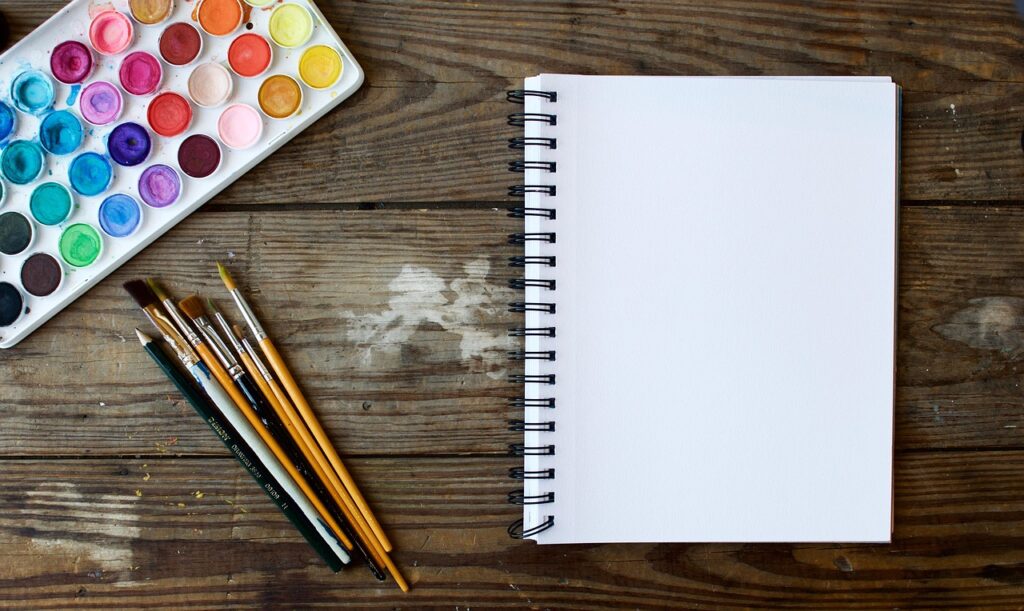
A notebook is a simple product, but the best choice depends on where it will be carried, how long the notes need to last, what pen will be used and whether the page needs structure or open space. For most buyers, the practical route is to start with the use case, then compare size, binding, paper weight, ruling and cover durability. A compact notebook may suit field notes or travel checklists, while a larger hardbound notebook is often better for meetings, school subjects or project planning. The aim is to choose a notebook that works comfortably in daily use, not just one that looks good on the shelf.
If you are comparing options for stationery, office supplies or study use, browse the notebook collection and related notebook articles for more category context.
Match the notebook size to the writing situation
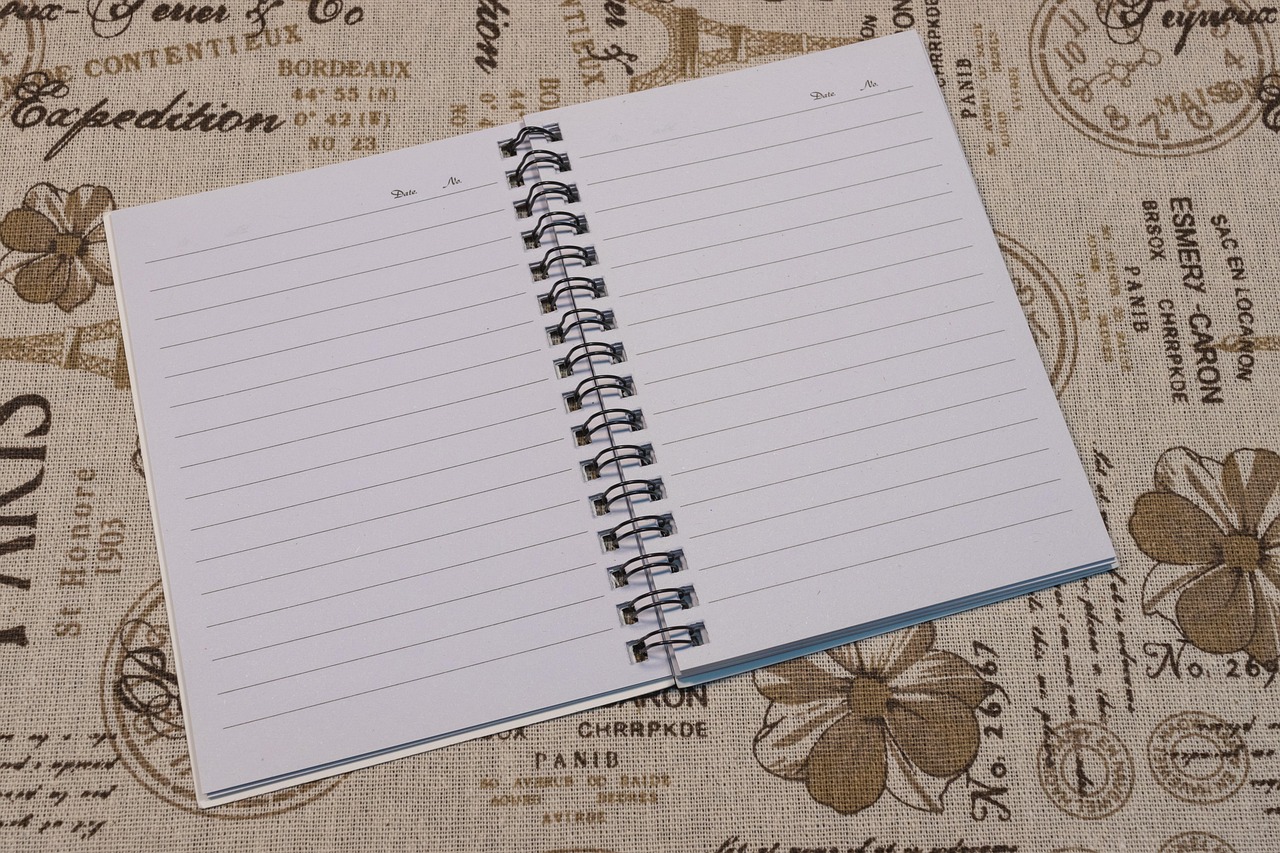
Notebook size affects portability, writing space and page organization. Many buyers start with the cover design, but size is usually the first practical decision. A notebook that is too small can make writing cramped; one that is too large may stay on the desk instead of being carried.
Common A-series paper sizes are widely used because each smaller size is half the area of the previous one when folded along the longer side. In everyday notebook shopping, A4, A5 and A6 are among the most recognizable formats, while letter-size notebooks remain common in the United States. Exact product dimensions can vary when covers, tabs, spirals or rounded corners are included, so the stated page size is usually more useful than the outside cover measurement.
| Notebook size | Typical use | Main advantage | Possible limitation |
|---|---|---|---|
| A4 or letter size | Class notes, reports, diagrams, meeting records | Large writing area for structured pages | Less convenient to carry daily |
| A5 | Work notes, journaling, planning, study summaries | Good balance of portability and page space | May feel small for complex diagrams |
| A6 or pocket size | Quick notes, travel, checklists, field observations | Easy to carry in a small bag or pocket | Limited room for long-form writing |
| B5 and similar mid-large formats | Student notebooks, project notebooks, sketch-heavy notes | More room than A5 without being as large as A4 | Not always compatible with standard folders |
For everyday work, A5 often offers the best compromise because it fits into many bags and still leaves enough room for headings, bullet points and short diagrams. For school or technical subjects, a larger notebook can reduce page crowding. For travel and quick capture, a pocket notebook is often more practical because it is more likely to be available when an idea or task comes up.
Understand binding before choosing a cover style
Binding determines how the notebook opens, how durable it feels and whether the pages can lie flat. It also affects writing comfort, especially for left-handed writers or anyone who writes close to the page edge.
Spiral and wire-bound notebooks
Spiral notebooks are widely used in classrooms, offices and meeting rooms because they fold back on themselves and usually lie flat. This makes them useful in tight spaces, such as lecture halls, small desks or on-site work areas. The trade-off is that the coil can bend in a bag, and the metal or plastic spiral may interfere with hand position depending on writing style.
Stitched, sewn and thread-bound notebooks
Sewn or stitched notebooks often feel more refined and durable than basic glued pads. When well made, they can open comfortably and are suitable for journals, project notebooks and records that need to be kept. They are not usually designed for page removal, so they work best when the notebook is intended as a continuous record rather than a source of detachable sheets.
Perfect-bound and glued notebooks
Glued bindings create a clean spine and a book-like appearance. They can look professional, but the writing experience depends heavily on construction quality. Some perfect-bound notebooks do not lie flat easily, which can make writing near the center margin less comfortable. They are usually better for logs, neat records or reading-style layouts than for fast note-taking across both pages.
Disc-bound and refillable systems
Refillable systems allow pages to be added, removed or rearranged. This is useful for planners, long-term projects and modular study notes. The limitation is bulk: rings, discs or covers add thickness. Refillable notebooks also work best when the user is willing to maintain the system, rather than treating the notebook as a quick capture tool.
Paper quality matters more when you use ink-heavy pens
Paper quality affects smoothness, show-through, bleed-through and overall writing comfort. A basic ballpoint pen can perform well on many papers, while rollerball, gel and fountain pens place more demand on the sheet. If the paper is too absorbent, ink may feather outward. If it is too thin or poorly finished, marks may show through on the reverse side.
Paper weight is commonly expressed in grams per square meter, often written as gsm. Higher gsm usually means a heavier sheet, but gsm alone does not describe every performance factor. Surface finish, fiber composition and coating also influence how the page handles ink. For everyday school and office notes, medium-weight paper is usually enough. For fountain pens, brush pens, markers or visual journaling, heavier and smoother paper is often worth considering.
- Ballpoint pens: usually work on most notebook papers and are less likely to bleed through.
- Gel pens: benefit from smoother paper and may need more drying time.
- Rollerball pens: can feel fluid but may show through on thin paper.
- Fountain pens: need paper that resists feathering and bleed-through.
- Markers and highlighters: require caution because many notebook papers are not made for wet media.
A practical test is to write on the back page or on a sample sheet with the pen used most often. Check whether the line spreads, whether ink appears on the reverse side and whether the page texture feels comfortable after several minutes of writing. This is more reliable than judging only by paper color or thickness.
Choose ruling based on the way your notes are organized
The printed layout of a notebook shapes how information is placed on the page. Lined pages guide handwriting and long-form notes. Dot grid pages support flexible planning, diagrams and bullet journaling. Blank pages suit sketching and free layouts. Grid pages help with tables, measurements and technical subjects.
| Page ruling | Best for | Why it works |
|---|---|---|
| Lined | Writing, lectures, meeting notes, journals | Keeps text aligned and easy to scan |
| Dot grid | Planning, diagrams, mixed writing and sketching | Provides guidance without strong visual lines |
| Graph or grid | Math, engineering, tables, layout planning | Makes spacing, columns and measurements easier |
| Blank | Drawing, mind maps, creative notes | Leaves the page open for non-linear ideas |
| Special formats | Planners, lab notes, project logs, music notation | Speeds up repeated note structures |
If you are unsure, dot grid is often the most versatile option because it supports both writing and diagrams without dominating the page. People who mainly write paragraphs may still prefer lined paper because it reduces effort and improves readability. For students, the best ruling may depend on the subject: lined for history or literature, graph for math and blank or dot grid for design-related work.
Consider cover durability and everyday handling
A notebook cover protects the pages, but it also changes the writing experience. Hard covers provide structure when writing without a desk and help protect corners in a backpack. Soft covers reduce weight and can be more comfortable to carry. Plastic or coated covers resist light moisture and wear, while paper covers may look clean but show damage sooner.
For office and meeting use, a professional-looking cover may matter because the notebook is visible in shared settings. For school, durability may be more important because the notebook moves between classes and bags. For travel, flexible covers and rounded corners can prevent snagging and reduce bulk. For archival notes, look for a design that protects the spine and helps keep pages from loosening over time.
Closures, elastic bands, ribbon markers, pen loops and pockets can be useful, but they should solve a real handling problem. An elastic closure helps when loose notes are tucked inside. A ribbon marker is helpful for journals and planners. A rear pocket is convenient for receipts or reference sheets. Extra features add value when they support the way the notebook will actually be used.
Plan for organization before the first page is used
A good notebook system does not have to be complicated. The goal is to make pages easy to find later. Many notebooks fail not because of paper or binding, but because the user starts without a simple organization method. See also: Gift Guide.
For work notes, date each entry and use clear headings for meetings, decisions and follow-up tasks. For study notebooks, reserve the first few pages for an index or topic list. For project notebooks, number the pages and keep one project per section. For daily planning, separate tasks, appointments and notes so the page does not become a cluttered list.
- Use dates: dates make notes searchable even without a formal index.
- Create simple headings: a heading turns a page into a retrievable record.
- Leave margins: margins give space for symbols, reminders or later comments.
- Mark action items: a checkbox or arrow makes tasks stand out from general notes.
- Review weekly: moving unfinished items prevents important notes from disappearing.
The best notebook is often the one that encourages consistent use. A beautiful notebook that feels too precious may remain blank. A practical notebook that opens easily, accepts the preferred pen and fits the usual bag is more likely to become part of a daily routine.
Sustainability and responsible material choices
Sustainability claims in stationery should be read carefully. Terms such as recycled, recyclable, responsibly sourced and eco-friendly do not all mean the same thing. Recycled paper refers to fiber content, while responsible sourcing relates to how virgin fiber is managed. Recyclability depends on local recycling systems and on the notebook components, including coatings, spirals, plastic pockets and adhesives.
For buyers comparing notebooks, the most useful approach is to look for specific, verifiable wording rather than broad environmental language. A product may state recycled content, paper certification, chlorine-free processing or reduced plastic packaging. Certifications and material details are more meaningful than vague green claims, but they should still be considered together with durability. A notebook that lasts through its full intended use is usually preferable to one that needs replacement quickly.
Practical sustainability choices include selecting the right page count instead of buying more paper than needed, using both sides of the page when ink allows, choosing refillable systems when they match the workflow and recycling components properly where local facilities accept them.
Common notebook buying mistakes to avoid
One common mistake is buying by cover design alone. A notebook may look appealing but fail in daily use if it is too small, too stiff or uncomfortable with the preferred pen. Another mistake is choosing thick paper automatically. Heavier paper can be helpful, but it also increases notebook weight and bulk. The right paper is the one that matches the pen and purpose.
Some buyers also overlook binding. A notebook used during meetings should open quickly and lie reasonably flat. A notebook used for journaling may prioritize durability and appearance. A notebook used for tear-out lists should have perforated pages or a binding designed for removal. When the binding does not match the task, the notebook becomes frustrating even if the paper is good.
Finally, avoid buying too many specialized formats before the routine is clear. A planner, project log, dotted journal and pocket notebook can all be useful, but too many systems can scatter information. Start with one main notebook for the primary task, then add specialized formats only when there is a clear need.
Frequently asked questions
What notebook size is best for everyday use?
A5 is a strong everyday choice because it balances portability and writing space. It is large enough for meeting notes, planning and journaling, while still fitting easily into many bags. People who write long class notes or draw diagrams may prefer B5, A4 or letter size.
Is a spiral notebook better than a bound notebook?
A spiral notebook is better when pages need to lie flat or fold back, especially for fast note-taking. A sewn or hardbound notebook is often better for long-term records, journals and professional presentation. The better option depends on whether flexibility or durability matters more.
What paper is best for fountain pens?
Fountain pens usually need smoother paper that resists feathering and bleed-through. Paper weight can help, but surface quality matters too. If possible, test the paper with your own pen and ink before committing to a large notebook.
Are dotted notebooks good for writing?
Dotted notebooks are good for writing if you prefer a flexible page layout. The dots guide alignment without the stronger look of ruled lines. However, people who write long paragraphs quickly may prefer lined pages because they require less visual adjustment.
How many pages should a notebook have?
The right page count depends on how long the notebook must serve one purpose. A small notebook with fewer pages is easier to carry, while a thicker notebook is useful for a semester, long project or extended journal. Choose enough pages for the task without adding unnecessary weight.
The practical way to choose your next notebook
Start with the writing situation, not the shelf display. Decide whether the notebook will live on a desk, travel in a bag, support one subject or capture several types of notes. Then choose the size, binding, paper, ruling and cover that support that use. A work notebook may need a professional cover and flat opening. A student notebook may need larger pages and subject separation. A daily journal may need durable binding and paper that feels pleasant during longer writing sessions.
When these choices align, a notebook becomes more than stationery. It becomes a dependable tool for thinking, remembering and organizing daily life.