Are Hewlett Packard Ink Cartridges Worth It for Everyday Printing?
Why Do Hewlett Packard Ink Cartridges Matter for Everyday Printing?
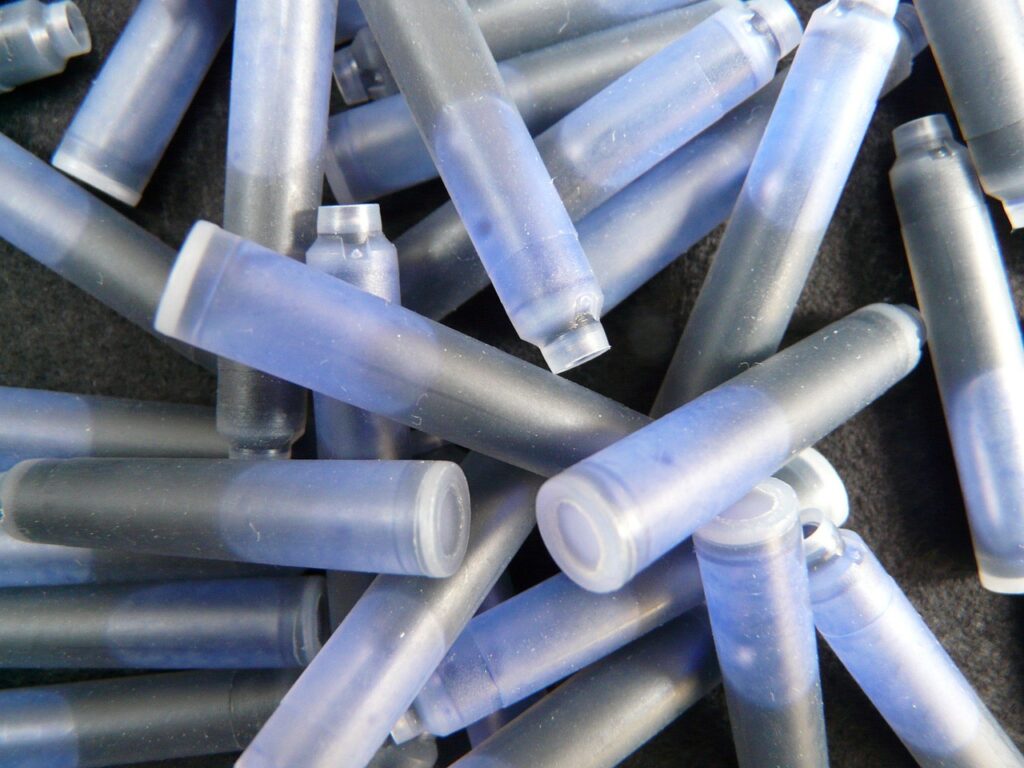
Choosing Hewlett Packard ink cartridges is not just about picking up a small ink box for the printer. It changes printer fit, page cost, print quality, and the small hold-ups that show up when a report, shipping label, homework sheet, or invoice has to print right away. If you compare options in the inks category, begin with the printer model on your desk. After that, check yield, cartridge size, and how often you print in a normal week.
Printer Fit Comes First
HP printers work with set cartridge families, such as HP 67, 63, 952, 902, or other series. A number that looks close is still not enough. For example, HP 67XL may fit many DeskJet and ENVY models, while another HP cartridge with a similar shape may not work at all. Before buying, check the exact model name on the printer label, in the printer menu, or in the HP app. It usually takes less than a minute, and it helps avoid the most irritating return case: a sealed cartridge that fits somebody else’s printer, not yours.
Page Yield Sets a Real Budget
Ink price does not say much if page yield is ignored. A low checkout price may look good, but if the cartridge prints half the pages, the real cost per page can be higher. HP lists approximate yields on many product pages, and those figures are more useful than ink volume alone. A home user printing ten pages a week may be fine with standard cartridges. A small office printing order forms every day will usually notice the limit of small cartridges very fast.
Print Quality Protects the Whole Job
Ink quality matters most when the paper leaves your desk and goes to someone else. A faded barcode, a patchy return label, or a dull product insert can create extra work. It is not a fancy point, but clear text saves time. For schoolwork, invoices, craft sheets, address labels, and simple marketing flyers, the target is not luxury printing. The target is clean output on the first try, without running a head cleaning cycle right before you need to leave.
How Do You Match the Right Cartridge to an HP Printer?
The safer buying process is simple: identify the printer, confirm the cartridge family, then choose standard or high yield. Do not start with price. Start with fit. Many wrong purchases happen because shoppers search by printer series instead of the exact model. HP ENVY 6000 series, for example, is a family name, while a full model name gives better direction.
Check the Exact Printer Model
Look for the model number printed near the control panel, inside the cartridge door, or on the back label. If the printer is connected, the HP app or computer print settings may show it too. Use the full name when comparing cartridges. A cartridge page may list compatible printers, but those lists can be long. Take a little time here, because two careful minutes can save a week of waiting for a replacement.
Read Color Labels Before Checkout
Many HP inkjet printers use one black cartridge and one tri-color cartridge. Others use separate cyan, magenta, yellow, and black cartridges. Do not assume a combo pack contains what you need. If your printer uses separate colors and only cyan is empty, replacing all colors may waste money. If your printer uses a tri-color cartridge, one empty color can affect the whole color cartridge, even when the other colors still have ink.
Notice Product Numbers and Setup Notes
Product numbers such as 3YM57AN or F6U19AN help when two listings look almost the same. Also check setup or introductory cartridges that come with new printers. HP’s page-yield guidance says some first cartridges supplied with a printer may print less than later replacement cartridges. That does not mean the cartridge is faulty by itself. It is a common reason a new printer’s first ink set runs down faster than expected.
Are Standard, XL, and Multipacks Really Different?
Yes, and the difference is not just size. Standard cartridges, XL cartridges, and multipacks fit different printing habits. The right pick depends on printing frequency, deadline pressure, storage space, and whether color output is balanced or one color runs out first.
Standard Cartridges Suit Light Printing
Standard cartridges make sense when you print only a few pages each month. They cost less at checkout, and they lower the chance that ink sits unused for too long. For a dorm room, an occasional recipe printout, or a tax form twice a year, standard capacity can be the sensible choice. It may not be the lowest cost page by page. Even so, it avoids tying up money in ink you may not use soon.
XL Cartridges Cut Changeouts
XL cartridges usually hold more ink and print more pages. HP’s official HP 67XL black product specification, reviewed in July 2026, lists an approximate yield of 240 pages, while the standard HP 67 black listing shows up to 120 pages. The working point is clear enough: if you print often, XL can reduce cartridge swaps and may lower cost per page. This helps teachers, online sellers, reception desks, and anyone printing forms in batches. It also means fewer interruptions in the middle of a busy day.
Multipacks Help Color Balance
Multipacks are handy when your color use is steady. Buying black and tri-color together also lowers the chance that one empty cartridge stops a weekend project. Still, multipacks are not always the best buy. If you print mostly black shipping labels, a color-heavy pack may sit in a drawer. Match the pack to your real pattern, not to the biggest discount sign on the shelf.
How Should You Read Page Yield Before Buying?
Page yield is a planning number, not a promise for every desk. It gives a fair comparison point because the test method is controlled. Your own pages may use more ink, less ink, more color, or long pauses between jobs. Treat yield like gas mileage on a car label: useful for comparison, but not the exact result you will see every day.
ISO/IEC 24711 Gives a Baseline
HP’s official page-yield guide says that, for Deskjet, Photosmart, and Officejet inkjet printers and All-in-Ones sold since July 2005, HP publishes yield data based on ISO/IEC 24711. In that test, a standard set of five pages is printed continuously until end of life. HP also states that a minimum of three cartridges of each type is tested in each of three printers. The background is controlled lab testing. The practical point is this: use yield to compare cartridges, not to guess your exact last page.
Real Documents Use Ink Differently
A dense contract, a full-page school poster, and a simple packing slip do not use the same amount of ink. HP’s guidance notes that heavy documents may yield fewer pages than the standard test, while light pages may yield more. Color balance matters too. If a worksheet uses a blue logo on every page, cyan can drain faster than magenta or yellow. This sounds simple, but many ink complaints start with a page design that uses more color than the buyer expected. A small logo, a shaded table, or a color background can change the numbers over time.
First Cartridges May Print Less
Some ink is used during printer startup and nozzle care. HP’s yield explanation says the ISO test does not count ink used for initial printer setup, and start and stop printing can use ink to keep nozzles clear. This is why a cartridge in a rarely used printer may not match the straight math on the box. If you print once every few weeks, a small test page from time to time may keep things moving. That is usually better than letting the printer sit silent for months. See also: Gift Guide.
Can Original HP Ink Be a Safer Pick Than Generic Ink?
Original HP ink usually costs more than many compatible or remanufactured options. The real question is not only which one is cheaper. It is which one fits your risk level. For everyday drafts, some buyers may consider third-party cartridges. For customer-facing pages, school portfolios, medical office forms, or barcode labels, steady performance often matters more than saving a few dollars.
Recognition Matters on Busy Days
Printer recognition problems are small issues until they happen at the wrong time. Original cartridges are made for their listed HP printer families, so the chance of a fit or chip mismatch is lower. With compatible cartridges, check recent buyer comments, return rules, and whether the seller mentions current firmware compatibility. Printer software can change. Because of that, old reviews do not always tell the full story.
Color Consistency Helps Customer Papers
If you print product care cards, menus, classroom visuals, or simple flyers, color consistency helps your materials look the same from batch to batch. Original ink is built around HP’s paper handling, nozzle behavior, and cartridge system. That does not mean every third-party cartridge is bad. It means the buyer has to check more carefully when the printed page represents a business or a deadline. In that situation, a small saving can disappear quickly if reprints are needed.
Public Failure Data Is Limited
There is no single reliable public database that compares failure rates for every HP-compatible cartridge seller, every HP printer model, and every firmware version. Since that data is not available in a clean and verifiable form, broad claims like all generic cartridges fail or all compatible cartridges are equal should be treated with care. A fair approach is simple: use original HP ink when the job matters. If you want to try an alternative, test it before relying on it for urgent work.
How Can You Store, Use, and Recycle Ink with Less Waste?
Good cartridge habits can stretch your budget without much technical work. Storage, printer settings, and recycling choices all matter. These actions are not exciting, but they prevent dry nozzles, wasted paper, and drawers full of old cartridges from printers you no longer use.
Sealed Packs Last Better in Calm Storage
Keep unopened cartridges sealed until use. Store them away from direct sun, heaters, and damp corners. A desk drawer is usually better than a hot garage shelf. Also keep cartridges in their normal package position when possible. If you stock ink for an office, label the box with the printer model and purchase month. It is a basic habit, but it stops people from opening the wrong pack during a busy morning.
Simple Printer Settings Save Ink
The U.S. EPA’s workplace waste guidance recommends double-sided printing, smaller point sizes when suitable, and fast draft settings when possible to save ink and paper. The background is office waste reduction, but the same advice works at home. For rough drafts, recipes, meeting notes, and internal checklists, draft mode is often enough. Save best quality for resumes, final reports, photos, and anything a customer will handle. This is one of the easiest ways to cut waste without changing cartridges.
Recycling Needs the Right Channel
Empty cartridges should not be tossed into ordinary paper recycling. HP’s Planet Partners program page, reviewed in July 2026, says the program is available in more than 60 countries and territories and offers free return options in many areas, such as drop-off or mail-back. HP also notes that its program currently accepts Original HP cartridges and Samsung toner cartridges, while other brands should follow their own maker’s recycling guidance. For high-volume users in the United States, HP says a pallet pickup can be arranged for more than 1,000 ink cartridges. It is worth checking the channel first, because recycling rules are not the same for every brand or location.
FAQ
Q1: Are Hewlett Packard ink cartridges the same as HP ink cartridges? A: In everyday shopping, yes. Many people say Hewlett Packard ink cartridges, while current product pages usually use HP or Original HP ink cartridges.
Q2: Is XL ink always better than standard ink? A: No. XL is better for frequent printing because it usually prints more pages. Standard ink can be better for very light use or tight short-term budgets.
Q3: Why did the first cartridge in a new HP printer run out fast? A: Some new printers use ink during setup, and introductory cartridges may have lower yield than full replacement cartridges. Check the printer box and cartridge notes.
Q4: Can a compatible cartridge damage an HP printer? A: Reliable public data for every compatible brand is limited. The safer move is to buy from sellers with clear return rules, test early, and use original HP ink for important jobs.
Q5: How can you lower ink use without changing cartridges? A: Print double-sided, use draft mode for internal pages, reduce heavy color backgrounds, and print a small page regularly if the printer often sits unused.