How to choose pen and paper gift sets that feel personal and useful
Why pen and paper gift sets still work as thoughtful gifts
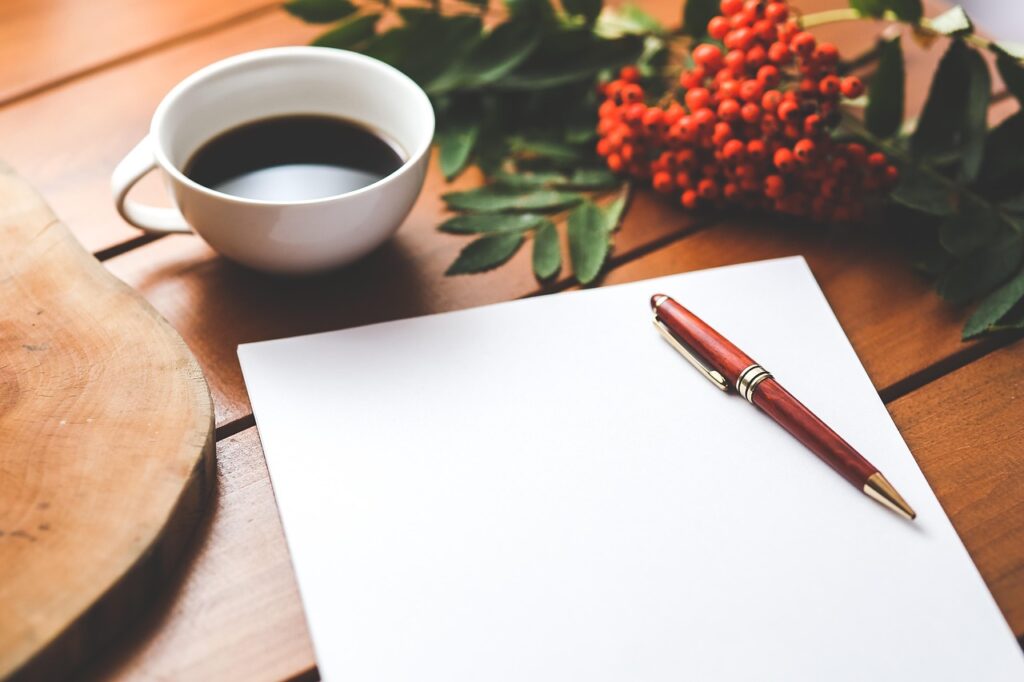
A well-chosen pen and paper gift set does more than place a notebook beside a pen. It reflects how the recipient actually writes: the paper format they will use, the ink that suits their hand, and the setting where the set is likely to sit. A student may need quick-drying ink and portable pages. A journal writer may value smoother paper and a lay-flat notebook. A letter writer may appreciate stationery sheets, envelopes and a pen that makes handwriting feel deliberate.
That practical fit is why stationery continues to work as a gift category, even as many daily tasks move to screens. A writing set can stay on a desk, travel in a bag, support planning or make handwritten notes feel more intentional long after the occasion has passed. You can also explore more in Gift Guide.
The risk is mismatch. A premium-looking pen can disappoint if it smears for a left-handed writer. A beautiful notebook may go unused if it is too large to carry or if the paper bleeds with fountain pen ink. The strongest sets start with the recipient’s habits, not the packaging.
For more stationery gift ideas across occasions, visit the Gift Guide section.
Start with the recipient’s writing habit
The simplest way to choose a better gift set is to define the writing task first. Color, brand and price matter, but context matters more. A set for meeting notes should not be built the same way as a set for thank-you cards or reflective journaling.
For everyday office use, choose a smooth ballpoint, rollerball or quick-drying gel pen with a notebook that opens flat and has enough pages for repeated use. For students, portability and smear resistance are more important. For creative writers, a comfortable pen body and paper that supports longer sessions may matter more than a hard cover. For personal correspondence, loose sheets, envelopes and a pen with expressive line quality can feel more special than a standard notebook.
- For planners: choose a dot-grid or ruled notebook, a fine or medium pen and perhaps sticky tabs or page markers.
- For journal writers: choose paper with a pleasant texture, a lay-flat binding and a pen that does not require pressure.
- For students: choose quick-drying ink, durable covers and a size that fits easily into a backpack.
- For professionals: choose understated colors, reliable ink and a notebook that looks appropriate in meetings.
- For letter writers: choose writing sheets, envelopes and ink that suits slower, more deliberate handwriting.
Handwriting also has a practical appeal. A widely discussed 2014 study by Pam Mueller and Daniel Oppenheimer in Psychological Science found that students taking longhand notes were less likely to transcribe verbatim and more likely to process ideas as they wrote. Later research has added nuance, so handwriting should not be treated as automatically superior in every learning setting. Even with that limitation, the study helps explain why many people still value pen-and-paper tools for focus, memory cues and slower thinking.
Choose the right pen for the paper and the person
A pen and paper set works best when the ink and paper are compatible. This is where many attractive gift sets fall short: the pen looks good, but the paper is too absorbent; or the notebook feels premium, but the ink dries too slowly for the recipient’s writing style.
Ballpoint pens for reliable everyday use
Ballpoint pens are the safest choice for broad gift giving. They usually dry quickly, write on many paper types and are less likely to bleed through ordinary notebook pages. They suit students, office workers, left-handed writers and anyone who writes in short bursts throughout the day. If the recipient is not a stationery hobbyist, a well-balanced ballpoint paired with a sturdy notebook may be more useful than a delicate fountain pen.
Gel pens for color and smoothness
Gel pens offer a smoother, more vivid writing experience than many ballpoints. They work well for planners, study notes, color coding and journals. The tradeoff is drying time. Some gel inks dry quickly, while others can smear if the writer’s hand moves across the page. For left-handed recipients, quick-drying gel ink is worth prioritizing over highly saturated ink.
Rollerball pens for a fluid feel
Rollerball pens use water-based or liquid ink formulas that often feel fluid and expressive. They can make a gift set feel more elegant without the maintenance needs of a fountain pen. However, rollerball ink may feather or bleed on thin, absorbent paper. Pair rollerballs with smoother, slightly heavier paper rather than bargain notepads.
Fountain pens for enthusiasts and slower writing
Fountain pens can make a set feel personal and ceremonial, but they are not the safest universal gift. They require compatible paper, occasional cleaning and attention to nib size. If giving a fountain pen, choose paper known for resisting feathering and bleed-through. Fine or medium nibs are more beginner-friendly than broad or specialty nibs, especially when the recipient will use the pen for everyday notes.
| Pen type | Best for | Paper pairing | Main caution |
|---|---|---|---|
| Ballpoint | Work, school, quick notes | Most notebooks and pads | May feel less expressive |
| Gel | Journals, planners, color coding | Smooth paper with moderate weight | Some inks smear before drying |
| Rollerball | Letters, meetings, elegant daily writing | Smoother paper, preferably not too thin | Can bleed on absorbent paper |
| Fountain pen | Enthusiasts, letters, reflective writing | Fountain-pen-friendly paper | Needs care and suitable paper |
Paper details that make a gift set feel better
Paper is not just a background item. It determines whether the set feels smooth, clean and satisfying in use. The main details to check are size, ruling, weight, texture, opacity and binding.
Size affects how often the notebook will be carried. A5 is one of the most popular notebook formats because it is large enough for useful notes but small enough for a bag. In the ISO 216 paper system, A5 measures 148 by 210 millimeters, or about 5.8 by 8.3 inches. In North America, buyers may also see letter-size, half-letter and pocket formats. The right format depends on the setting: desk writing can support larger pages, while travel and class notes often benefit from smaller sizes.
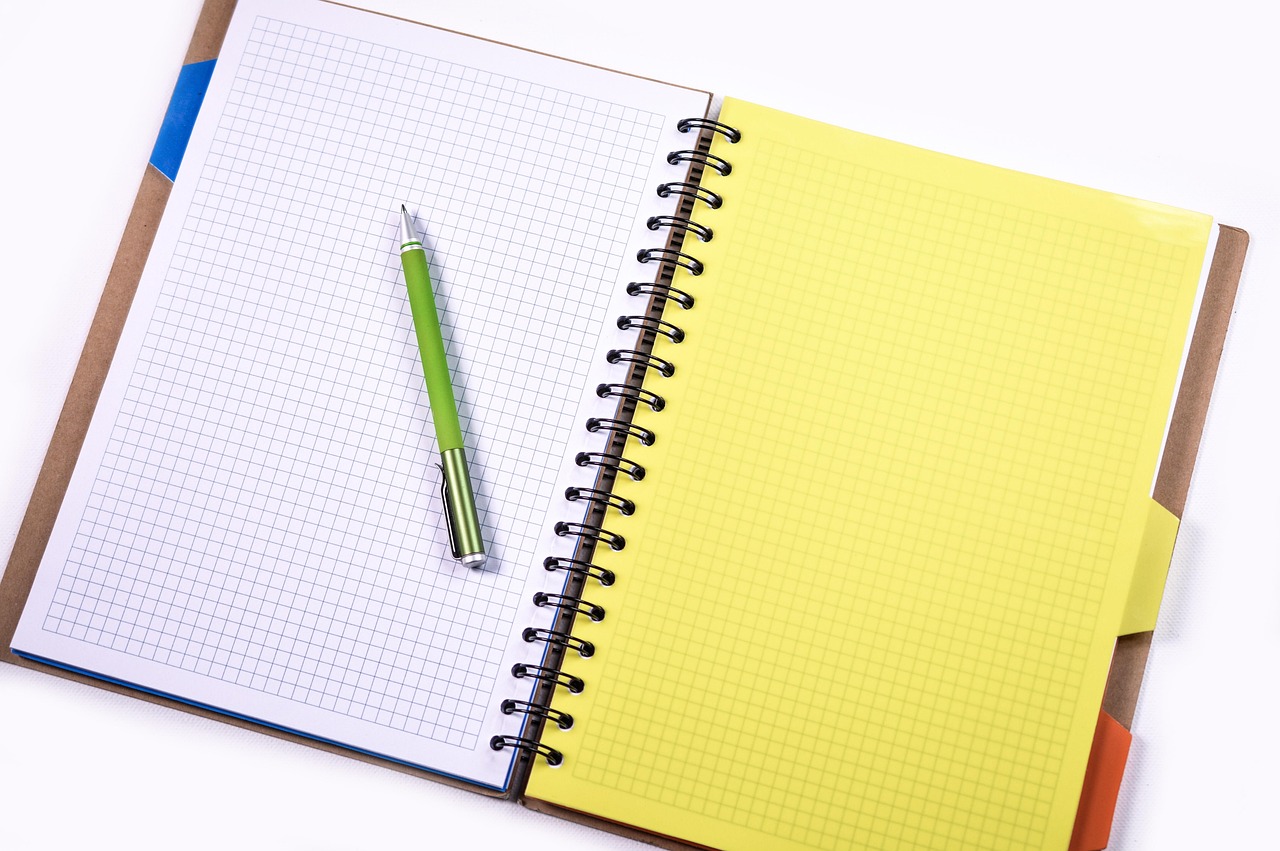
Ruling should match the writing purpose. Ruled pages suit traditional notes and letters. Dot grid pages are flexible for planning, diagrams and journaling. Blank pages suit sketching, mind mapping and creative layouts, but they may frustrate people who want visual guidance. Grid paper is useful for technical notes, language study, design planning and compact handwriting.
Paper weight is commonly shown in gsm, or grams per square meter. Heavier paper is not automatically better, but it is often more resistant to show-through and bleed-through. Thin paper can still perform well if it is well made, while heavy paper can still feather if it is too absorbent. For most gift sets, the safer choice is a notebook that clearly states paper weight and is suitable for the chosen pen type.
For keepsake writing, permanence matters. The International Organization for Standardization publishes ISO 9706 for paper permanence requirements. A casual notebook does not need to meet archival expectations, but if the set is intended for vows, family letters, milestone journaling or memory keeping, acid-free or permanence-oriented paper is a meaningful upgrade.
Build the set around the occasion
The same pen and notebook can feel ordinary or thoughtful depending on the occasion. A graduation gift should support a new routine. A holiday gift may lean warmer and more decorative. A professional thank-you gift should feel polished without becoming too personal.
Graduation and new job sets
For graduates or people starting a new role, choose a refined notebook, a reliable pen and perhaps a slim folder or document sleeve. The set should be practical enough for interviews, onboarding notes or early meetings. Neutral colors such as navy, black, gray, brown and deep green usually feel safer than very bright patterns.
Journaling and self-reflection sets
For journaling, the tactile experience matters. Look for a notebook that opens comfortably, paper that feels pleasant under the pen and a pen that writes without pressure. A dated planner may feel too restrictive unless you know the recipient wants one. An undated notebook gives more freedom and avoids the problem of unused expired pages. See also: Inks.
Letter writing and correspondence sets
A correspondence set can include writing sheets, envelopes, a pen and optional address labels or wax-free seals. Choose paper that handles ink cleanly and envelopes that match the sheet size. This type of set is especially suitable for weddings, housewarmings, long-distance friendships and thank-you note habits.
Teacher, host and coworker gifts
For people you know in a professional or semi-formal context, avoid overly intimate designs. A compact notebook with a smooth pen is useful and respectful. If you are unsure about style, choose minimal packaging and a color palette that can sit comfortably on a desk.
What to check before buying a ready-made set
Ready-made pen and paper gift sets save time, but packaging can hide important details. Before buying, check whether the product description explains the pen type, refill compatibility, notebook size, page count and paper weight. If a listing focuses only on the box, ribbon or lifestyle photography, the actual writing experience may be unclear.
- Pen refill: A refillable pen has a longer useful life than a disposable decorative pen.
- Grip and weight: Heavy pens can feel premium at first but tiring during long writing sessions.
- Paper weight: A stated gsm gives more confidence than vague terms such as “premium paper.”
- Binding: Lay-flat or spiral bindings are practical for daily notes; stitched or casebound notebooks may feel more giftable.
- Page count: A very thin notebook can look elegant but may be used up quickly.
- Ink color: Black and blue are safest for work and school; colored ink is better when you know the recipient likes it.
- Packaging: Reusable boxes or simple paper wraps often feel more considered than excessive plastic inserts.
Sustainability claims deserve the same caution. Certifications and material descriptions are more useful than broad phrases such as “eco-friendly.” Forest Stewardship Council guidance, for example, treats FSC certification as a way for buyers to identify paper and forest products connected to responsible sourcing or recycled material. For a gift set, a visible certification on paper products is more meaningful than an unsupported environmental claim.
How to assemble your own pen and paper gift set
Assembling a set yourself often creates a better result than buying a boxed bundle. It lets you match the pen, paper and accessories to one person instead of accepting a generic pairing.
- Pick the use case. Decide whether the set is for work notes, study, journaling, planning, letters or travel.
- Choose the paper first. Select the size, ruling and binding that suit the use case.
- Match the pen to the paper. Use ballpoint or quick-drying gel for general use, rollerball for a smoother feel or fountain pen only when the paper can handle it.
- Add one useful accessory. Consider page flags, a pen loop, a bookmark, envelopes, a blotting sheet or a small case.
- Keep the color story simple. Two or three coordinated colors usually look more intentional than a crowded mix.
- Include a note. A short handwritten message turns a stationery bundle into a personal gift.
A simple formula works well: one main notebook or stationery pad, one pen, one small accessory and one personal note. More items are not always better. Too many pens, stickers or decorative extras can make the gift feel cluttered, especially for someone with a minimalist style.
Common mistakes to avoid
The first mistake is choosing style over usability. A glossy cover, metallic pen barrel or luxury box may photograph well, but the recipient will remember whether the pen writes smoothly and whether the paper handles ink cleanly.
The second mistake is assuming all writers want fountain pens. Fountain pens can be wonderful gifts for enthusiasts, but they are less practical for people who write quickly, lend pens often or dislike maintenance. A high-quality ballpoint or gel pen may be more appreciated.
The third mistake is ignoring handedness. Left-handed writers are more likely to drag their hand across fresh ink, so fast-drying ink and smoother writing flow matter. Spiral binding can also be uncomfortable when the spiral sits under the writing hand, depending on page orientation.
The fourth mistake is buying a dated planner too late in the year. Unless the planner begins soon or is undated, it may feel partially expired. For uncertain timing, choose an undated planner, bullet journal or plain notebook.
The fifth mistake is over-personalizing. Initials, names and custom covers can be meaningful when you are confident in the recipient’s taste. When you are less certain, choose a classic set and personalize it with a handwritten card instead.
Frequently asked questions
Are pen and paper gift sets good for adults?
Yes. They are especially useful for adults who attend meetings, journal, plan, study, write cards or prefer analog tools for focused thinking. The key is to avoid childish designs unless they match the recipient’s style.
What is the safest pen type for a gift set?
A smooth ballpoint or quick-drying gel pen is usually the safest choice. These options work for most everyday writing and are less demanding than fountain pens.
What notebook size is best for gifting?
A5 is a strong general choice because it balances writing space and portability. Pocket notebooks are better for travel or quick lists, while larger notebooks suit desk use and project planning.
Should I buy a boxed set or assemble my own?
Buy a boxed set when the details are clear and the pen and paper are compatible. Assemble your own when you want better control over paper type, pen style, color and accessories.
How much should a pen and paper gift set include?
A focused set is usually best: one quality notebook or stationery pad, one compatible pen and one useful accessory. Add a handwritten note to make the gift feel personal without overcomplicating it.
The best sets feel specific, not expensive
The most successful pen and paper gift sets are built around use, comfort and personal fit. A modest notebook with the right ruling and a dependable pen can be more meaningful than an expensive set chosen only for presentation. Start with the recipient’s writing habit, match the pen to the paper and choose details that make the set easy to use immediately. That is what turns ordinary stationery into a gift that stays on the desk, travels in a bag and becomes part of someone’s routine.