Feather pen guide for modern writing, calligraphy, and collecting
Feather pen basics and why they still matter
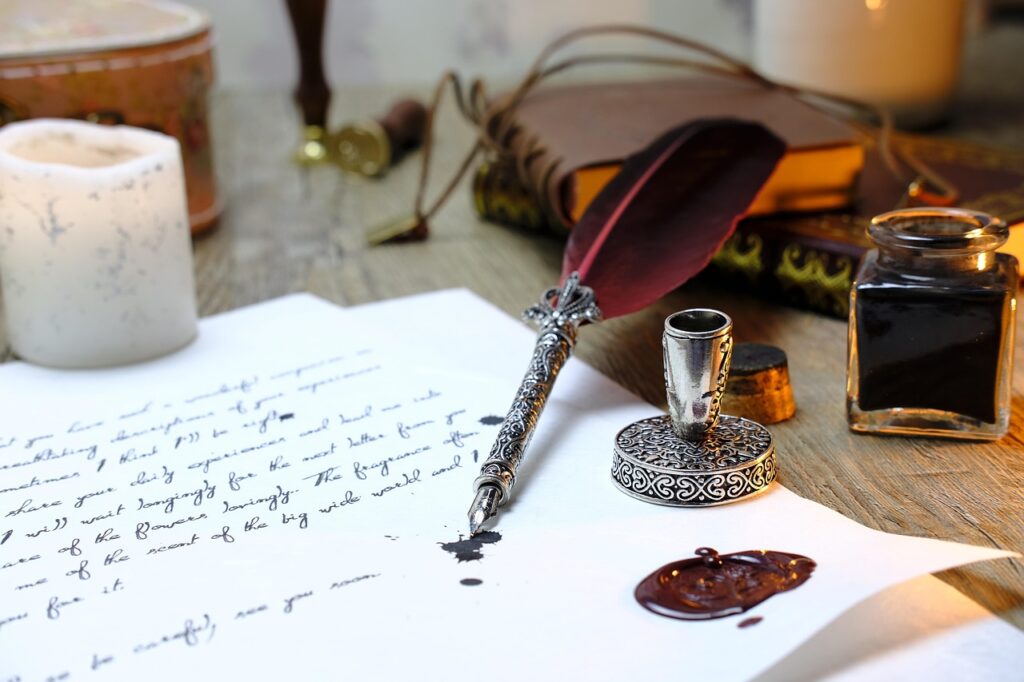
A feather pen is a writing instrument made from a bird feather, most often described today as a quill pen. It writes by dipping a cut feather shaft into ink and using the shaped tip as a flexible nib. For most readers, the practical questions are simple: what it is, how it works, whether it is useful for calligraphy, and how it compares with other pen writing instruments. A feather pen is less convenient than a fountain pen or ballpoint, but it gives a distinctive line, direct tactile feedback, and historical character that modern pens do not fully reproduce.
Library and museum sources commonly place the quill among the major writing tools used before industrial steel nibs and fountain pens became widely available. It is no longer a normal office writing tool. Its value today is in learning letterform control, understanding writing history, creating decorative calligraphy, and choosing a meaningful gift or display piece.
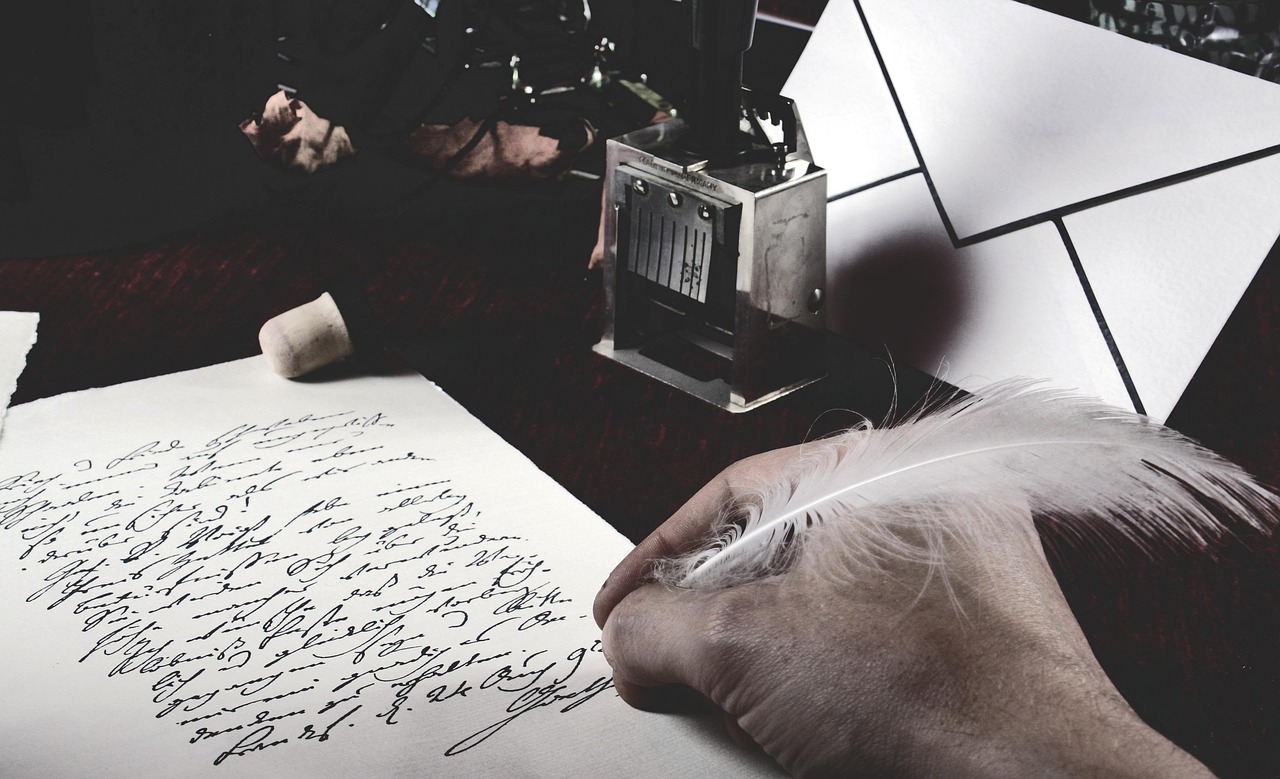
What is a feather pen?
A feather pen is made from the hard, hollow shaft of a feather. The writing end is cut into a point, slit, and shaped so that ink can travel from the hollow channel to the paper. The visible feather plume does not write; the working part is the quill, especially the lower shaft near the base of the feather.
The term “feather pen” is common in retail listings because it is visual and easy to understand. “Quill pen” is the more historically precise term. In practical buying, the two terms can overlap, but they do not always describe the same product quality. Some decorative feather pens use a metal nib attached to a feather handle, while a traditional quill is cut directly from the feather shaft.
| Term | What it usually means | Why it matters |
|---|---|---|
| Feather pen | A broad retail term for a feather-based writing tool | May be decorative, functional, or both |
| Quill pen | A pen cut from the hollow shaft of a feather | More historically accurate for traditional writing |
| Dip pen | A pen dipped into ink before writing | Can use a feather, reed, glass, or metal nib |
| Fountain pen | A pen with an internal ink reservoir | Designed for longer writing without repeated dipping |
How feather pens shaped writing history
Feather pens became important because they solved a practical writing problem: they could hold a small amount of ink and produce controlled strokes on parchment or paper. The Library of Congress has described quills as the writing implement of choice for many people up to around the nineteenth century, partly because the hollow feather shaft could serve as an ink reservoir and the material could be shaped into a nib.
British Library exhibitions on writing history place quills alongside tools such as styluses, brushes, ballpoint pens, typewriters, and computers. That context matters. The feather pen was not an isolated novelty; it was one stage in a longer sequence of writing technologies shaped by available materials, literacy needs, cost, and speed.
The major shift away from quills came with industrial pen making. The Birmingham Pen Museum describes Birmingham’s nineteenth-century steel pen trade as a major force in global pen production. Steel nibs offered consistency, durability, and mass-production advantages that a hand-cut feather pen could not match. Later reservoir and fountain pen designs further reduced the need to dip a pen repeatedly in ink.
| Period or development | Writing tool significance |
|---|---|
| Before industrial steel nibs | Quills were widely used for manuscript writing, letters, records, and education |
| Early to mid nineteenth century | Steel nib manufacturing expanded, especially in Birmingham |
| Late nineteenth century onward | Reservoir and fountain pen designs made longer continuous writing easier |
| Modern use | Feather pens survive mainly in calligraphy, reenactment, collecting, teaching, and gifting |
How a feather pen writes
A feather pen writes through a simple but sensitive system. The cut nib is dipped into ink. A small amount of ink clings to the inner channel and slit. As the nib touches paper, ink moves toward the writing surface. Pressure, angle, paper texture, and ink viscosity all affect the result.
This is why a feather pen feels different from a ballpoint or gel pen. A ballpoint rolls ink from a tiny ball. A gel pen lays down a controlled modern ink formulation. A fountain pen feeds ink from a reservoir through a nib and feed. A feather pen depends more directly on the user’s hand, the cut of the nib, and the relationship between ink and paper.
Nib cut and line variation
The shape of the nib determines the line. A broad-cut quill can create thick downstrokes and fine cross-strokes, which is useful for historical hands and decorative lettering. A finer cut can write smaller text but may need more frequent trimming. Because feather material wears down, a traditional quill is not a permanent nib. It must be recut or sharpened when the point becomes soft, blunt, or uneven.
Ink and paper behavior
Feather pens work best with suitable dip-pen ink and paper that resists feathering. Very thin, absorbent paper can spread the ink and make lines look fuzzy. Glossy paper may cause skipping or slow drying. For practice, use smooth writing paper intended for fountain pens or calligraphy. Avoid filling a decorative quill with fountain pen ink unless the maker specifically says the design supports it; many feather pens are dip tools, not reservoir pens.
Feather pen vs dip pen vs fountain pen
The closest modern comparison is not the ballpoint pen but the dip pen. A traditional feather pen and a metal dip pen both require dipping. The difference is material and consistency. A metal nib usually lasts longer, keeps a more predictable shape, and can be replaced when worn. A quill offers a lighter, more organic feel, but it needs more maintenance.
| Feature | Traditional feather pen | Metal dip pen | Fountain pen |
|---|---|---|---|
| Ink supply | Small amount held in feather shaft and slit | Small amount held on nib | Internal reservoir or cartridge |
| Writing speed | Slow to moderate | Moderate | Moderate to fast |
| Maintenance | Needs cleaning and occasional recutting | Needs cleaning and nib replacement | Needs flushing and ink care |
| Line character | Organic, variable, historically expressive | Controlled, varied by nib type | Controlled, smoother for everyday use |
| Best use | Historical writing, calligraphy, display | Calligraphy, drawing, lettering | Daily writing, journaling, signatures |
For everyday note taking, a fountain pen or modern gel pen is easier. For learning broad-edge calligraphy, a metal dip pen is usually more predictable. For historical experience, period-style lettering, themed stationery, or a memorable writing ritual, the feather pen has a stronger identity.
Buying or making a feather pen today
The modern feather pen market includes three common types. The first is the traditional hand-cut quill. The second is a feather handle fitted with a metal nib. The third is a decorative set with bottled ink, seals, wax, and display packaging. Each can be enjoyable, but they serve different users. See also: Gift Guide.
- Choose a traditional quill if you want historical technique and do not mind learning how to trim the nib.
- Choose a feather pen with metal nibs if you want the look of a quill with easier replacement and more consistent writing.
- Choose a gift set if the priority is presentation, journaling atmosphere, or decorative stationery rather than strict historical accuracy.
Look closely at whether the nib is replaceable, whether the ink is suitable for dip writing, and whether the set includes instructions. Product photos can make any feather pen look impressive, but the writing experience depends on nib geometry, ink flow, and paper match. If the listing focuses only on the plume and says little about the nib, treat it as a decorative item until proven otherwise.
Legal and ethical sourcing
Feather sourcing deserves attention. In the United States, the U.S. Fish and Wildlife Service explains that possession of feathers from many native North American migratory birds is restricted under the Migratory Bird Treaty Act unless a permit or specific authorization applies. This can matter even when feathers are found on the ground. For hobby use, buyers should prefer clearly legal sources such as domestic goose, turkey, or farm-sourced feathers sold for crafts, and they should check local rules if collecting or transporting feathers.
Ethical sourcing is also part of product quality. A responsible feather pen seller should be able to describe the feather type and sourcing category without relying on vague claims. If you are unsure, avoid wild bird feathers and choose manufactured craft supplies from lawful domestic sources.
Common mistakes when using a feather pen
The most common mistake is pressing too hard. A quill nib is not meant to be forced into the paper. Heavy pressure can spread the slit, damage the tip, or cause blotting. Use a light hand and let the ink flow from the contact between nib and paper.
- Dipping too deeply: Dip only the writing end, not the entire feather shaft. Too much ink creates blobs.
- Using poor paper: Highly absorbent paper makes letters look fuzzy. Smooth, ink-friendly paper gives cleaner edges.
- Ignoring drying time: Dip ink can smear if touched too soon. Write slowly and leave room for drying.
- Expecting ballpoint convenience: A feather pen is a craft tool, not a fast modern office pen.
- Skipping cleaning: Dried ink can clog the slit and change the line. Wipe the nib gently after use.
If you are practicing calligraphy, begin with large letters. Larger forms make it easier to see how angle and pressure affect each stroke. Once the movement becomes consistent, move to smaller writing.
Frequently asked questions
Is a feather pen the same as a quill pen?
Often, yes, but not always. A traditional quill pen is cut from the feather shaft itself. A modern feather pen may simply use a feather as a handle with a metal nib attached. If you want historical writing behavior, check that the writing tip is actually made from the quill or that the seller clearly explains the nib type.
Can you write normally with a feather pen?
You can write words, letters, and short notes with a feather pen, but it is slower than modern writing. It requires dipping, careful paper choice, and a lighter hand. For long daily writing, a fountain pen or rollerball is more practical.
What ink should be used with a feather pen?
Use ink intended for dip pens or calligraphy unless the product instructions say otherwise. Some decorative inks are made for display or craft use, while some fountain pen inks are designed for reservoir systems. The safest approach is to test a small amount with the paper before writing a final piece.
Are feather pens good for beginners?
They can be useful for curious beginners who want a tactile introduction to calligraphy or writing history. However, beginners who want consistent lettering quickly may find a metal dip pen easier. A feather pen rewards patience, slow practice, and attention to angle.
Can I make a feather pen from a feather I found?
It depends on where you live and what bird the feather came from. In the United States, many native bird feathers are legally protected, so found feathers should not be assumed safe to keep or use. A more reliable choice is a legally sourced domestic goose or turkey feather sold for craft or calligraphy use.