What Is a Quill Pen and Is It Still Worth Buying?
What Makes a Quill Pen Different from Other Pens?
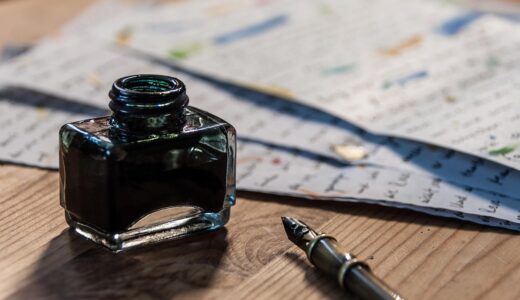
A quill pen is not just a feather placed on a desk for decoration. It is a dip writing tool with a shaped nib, a hollow shaft, and a slower writing pace than a ballpoint or gel pen. If you also need daily writing tools, you can check more options in the pen collection. The Smithsonian Institution describes historical quill pens as commonly made from the five outer feathers of a goose or swan wing, with the hollow shaft holding a small amount of ink after dipping. (si.edu)
Feather Shaft and Cut Nib
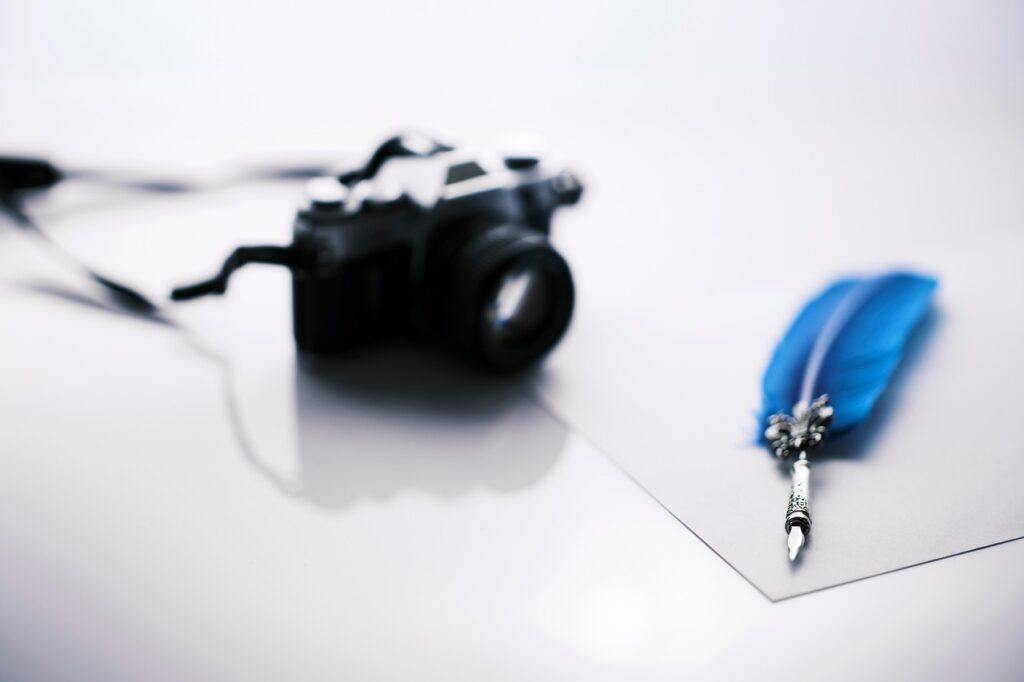
The main difference starts at the nib. A true feather quill uses a tip cut from the feather shaft. The slit and point guide ink onto the paper. Some modern quill sets use a metal nib attached to a feather holder, which is easier for beginners and usually lasts longer.
Dip Ink Rhythm
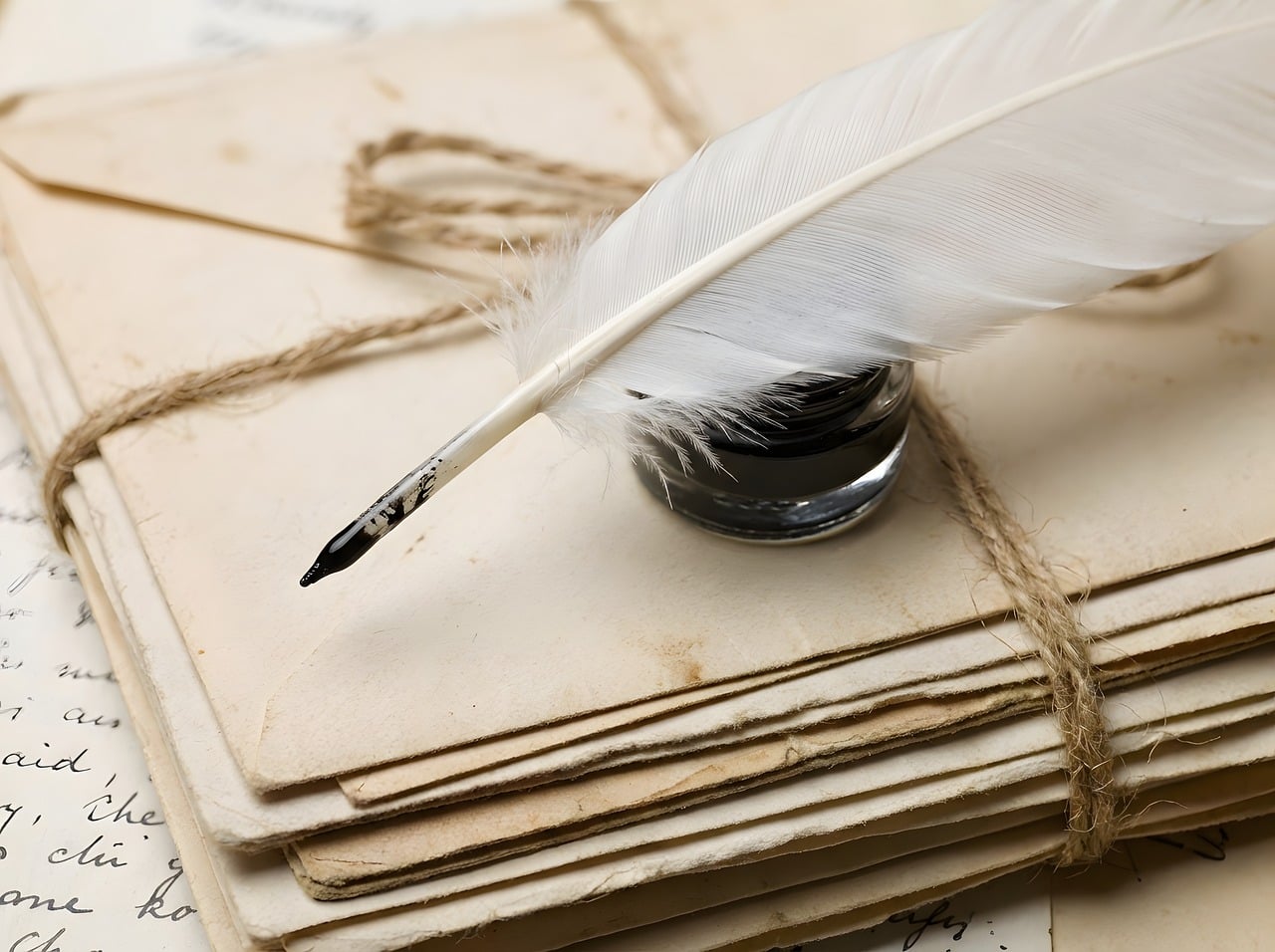
A quill pen holds only a small amount of ink. You dip it, write a few words, and dip again. That pace is slower than a normal pen, but this is part of how the tool works. For invitations, name cards, journals, or display writing, the pause helps the writer keep the line more careful.
Soft Line Variation
Quills can make thin strokes and heavier strokes when the nib flexes. The effect is not as exact as a modern calligraphy nib, but it has a natural look. You may see a darker first stroke after dipping, small uneven marks, and slight feather movement. These details give the page a handmade feel.
Why Do Writers Still Choose a Quill Pen Today?
You would not choose a quill pen to sign fifty delivery forms. That is not what it is made for. People still choose it for old writing style, tradition, and hands-on work. It suits slow notes, historical displays, art lessons, wedding stationery, and themed gifts. A feather pen on the desk also gives the set a clear vintage feel.
Historical Character for Display
The National Archives explains that Timothy Matlack, the engrossing clerk of the Declaration of Independence, used a pen knife and quill pens cut from large feathers. It also notes ink splotches and spatter on the document. Those marks show the real handling problems of writing with this tool. (archives.gov)
Slow Writing for Better Focus
A quill pen makes the hand slow down. The nib can catch if the user presses too hard, so the writing needs a lighter touch. This makes it useful for short reflective writing, thank-you notes, or one quote on handmade paper. It is not faster, but the user tends to write with more care.
Hands-on Learning Value
Handwriting is still part of school discussion, not just a hobby topic. Education Week reported in November 2024 that fewer than ten years earlier only 14 U.S. states required cursive instruction, while 24 had some type of requirement by 2024. For buyers in education and stationery channels, the point is simple: manual writing still has cultural and classroom value. (www-edweek-org.ezproxy.baylor.edu)
How Should You Choose the Right Quill Pen?
Choosing a quill pen is easier when the use is clear. A gift set needs a neat look. A beginner set needs control. A classroom or event set needs less mess and parts that can be replaced. Do not buy only by feather size; the nib matters more.
Natural Feather or Decorative Feather
Natural feather quills feel closer to the old tool, but they need more care. Decorative feather pens often pair a feather holder with a metal nib. For most modern users, the second style is more practical. It keeps the classic look without asking the user to cut and recut the feather tip.
Replaceable Metal Nib
If the pen is for beginners, a replaceable metal nib is usually the safer choice. It handles pressure better and gives a cleaner line. Look for a nib that fits tightly into the holder. A loose nib can cause skipping, ink drops, and mess on envelopes or cards.
Comfortable Grip and Balance
Some quill pens look good in photos but feel awkward after two minutes. A good grip should sit naturally between the fingers. The feather should not pull the pen backward. For retail buyers, this matters because customers often judge the product as soon as they hold it.
What Ink and Paper Work Best with a Quill Pen?
Ink and paper can make a quill pen feel smooth, or they can make it hard to use. The nib lays down wet ink, so cheap thin paper may bleed. A simple setup works best for new users: water-based ink, medium or thick paper, and a scrap sheet for testing.
Water-Based Ink with Smooth Flow
Most beginners should start with water-based calligraphy ink or fountain pen friendly ink. Thick pigment ink can clog a fine nib. Very watery ink can spread on soft paper. Black, dark brown, and blue-black are safe colors for practice because the line is easy to see.
Thicker Paper with Light Sizing
Choose paper that resists bleeding. Heavier writing paper, card stock, or calligraphy practice paper works better than copier paper. Smooth paper helps the nib glide, while a little texture can look good for certificates and place cards. Test first, even if the paper looks expensive.
Test Sheet Before Final Writing
Before writing a real card, make three quick lines on a spare sheet. Check for feathering, skipping, and dry time. This small step can save the final page. It also shows how often you need to dip the nib. In most cases, shorter dips and lighter strokes work better than loading the nib with too much ink. See also: Gift Guide.
How Do You Write with a Quill Pen Without Mess?
Mess is the main concern for new users, but most problems come from heavy pressure or too much ink. Treat the quill pen like a light drawing tool, not a marker. Keep tissue nearby, open the ink bottle on a stable surface, and leave enough space around the paper.
Light Pressure and Low Angle
Hold the pen at a low angle, close to how you would hold a dip pen. Do not press down hard. Let the nib touch the paper and move with the hand. If the tip scratches or tears the paper surface, the pressure is too strong or the paper is too rough.
Short Dips and Gentle Taps
Dip only the nib area, not the whole shaft. Then tap gently on the bottle rim or touch the nib to the edge of a scrap sheet. This removes extra ink before writing. One overloaded dip can leave a blot at the start of a word, which is a problem when writing a wedding name card.
Regular Cleaning After Use
Clean the nib after each writing session. Dried ink makes the next use harder and can damage fine slits. Rinse metal nibs lightly, wipe them dry, and store the pen away from moisture. For natural feather tips, avoid soaking the whole feather because it may soften or warp.
Is a Quill Pen a Good Gift or Retail Item?
A quill pen can work well as a gift item because it carries a clear story. It connects to history, writing, study, romance, and a bit of theater. For retail, honest positioning works best. Sell it as a special writing tool, not as a replacement for daily pens. Reliable public sales data for quill pens alone is not available; most public information groups them with calligraphy, dip pens, or novelty stationery.
Gift Value for Desk Sets
A quill pen works well in a boxed set with ink, nibs, and paper. Buyers often choose it for birthdays, graduations, teacher gifts, writer gifts, and vintage-style desk decor. The product feels personal without needing custom engraving. For this item, packaging matters more than it does with a standard office pen.
School and Museum Activity Use
Educational use is also real, especially for school events, museum activities, and handwriting demonstrations. The California Department of Education states that AB 446, effective January 1, 2024, added instruction in cursive or joined italics for appropriate grade levels in grades one through six. That does not mean every classroom needs quills, but it does show renewed interest in handwriting practice. (cde.ca.gov)
Clear Limits for Daily Note-Taking
There is one clear limit: a quill pen is not the best daily note-taking pen. The 2011 NAEP writing assessment for grades 8 and 12 was computer-based, which reminds us that modern writing also depends on keyboards and speed. A quill is better for style, craft, and special moments. (nationsreportcard.gov)
FAQ
Q1: Can You Use a Quill Pen Every Day? A: You can, but it is not the most practical choice. A quill pen needs dipping, cleaning, and the right paper. It is better for short writing, calligraphy practice, cards, and display work.
Q2: Is a Feather Quill Better Than a Metal Nib Quill? A: A feather quill feels more traditional. A metal nib quill is easier to use and easier to replace. Beginners usually get cleaner results with a metal nib attached to a feather holder.
Q3: What Ink Should a Beginner Use? A: Start with a water-based calligraphy ink or fountain pen friendly ink. Avoid very thick ink at first because it may clog the nib. Test the ink on spare paper before writing the final piece.
Q4: Why Does My Quill Pen Blot Ink? A: Blots usually happen when the nib carries too much ink or the paper absorbs ink too fast. Dip less deeply, tap off extra ink, and use thicker, smoother paper.
Q5: Is a Quill Pen a Good Gift for Writers? A: Yes, especially for writers who enjoy stationery, journaling, history, or calligraphy. Pair it with a small ink bottle and practice paper so the gift can be used right away.