
What Makes a Journaling Book So Good You Actually Use It Every Day?
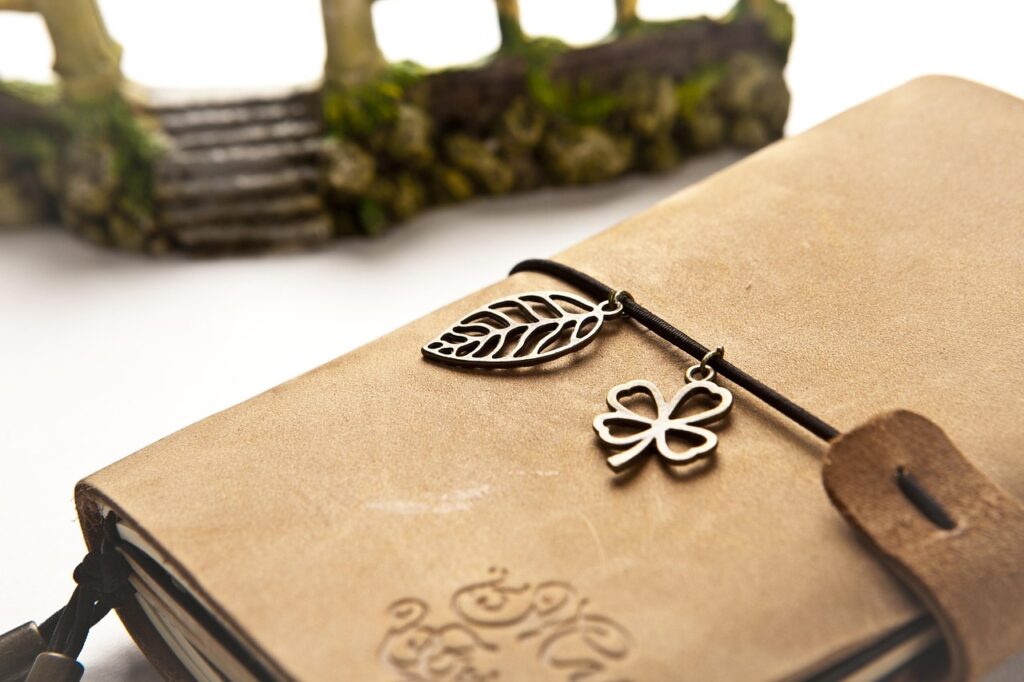
What Should a Journaling Book Do for You?
A useful journaling book should make writing easy to come back to. It is not just a nice notebook sitting on a desk. It gives your thoughts one fixed place, helps you keep small details, and makes a packed day feel a little more in order.
The need is there. In a National Center for Health Statistics report released in November 2024, 18.2% of U.S. adults had symptoms of anxiety and 21.4% had symptoms of depression during a two week period in 2022, based on National Health Interview Survey data. A journal is not medical treatment, of course. Still, it can be part of a steady routine when life feels too noisy.

A Place for Daily Clarity
Your journal should help you write down what happened, what matters, and what can wait. A short entry can be as simple as three lines: one task, one feeling, and one thing to remember. That small format works for people who say they have no time, because it takes away the pressure to write in a perfect way.
A Record You Can Return To
Memory is not always neat. A written page lets you check old decisions, moods, ideas, purchases, workouts, or school notes when you need them. After a month, some patterns start to show. Maybe Mondays are always too full, or maybe a certain pen bleeds too much on the page. These small records are useful in daily life and also in product feedback.
A Small Ritual That Feels Easy
The best journal is the one you do not have to force yourself to use. It opens without trouble, feels fine under your hand, and fits the place where you usually write. A thick hardback may look premium on a shelf, but if it never gets used, it has missed its main purpose.
Why Does Paper Still Matter in a Digital Week?
Digital notes are fast, searchable, and convenient. Paper still does a different job. It slows the hand, cuts out pop up noise, and makes a private thought feel more physical. That is why many stationery buyers still check page texture, cover feel, and how a pen moves across the paper.
Print Reading Remains Strong
Pew Research Center reported in April 2026 that its October 2025 U.S. survey found 75% of adults had read at least part of a book in the previous 12 months, while 64% had read a print book. This matters for journaling products because print habits are still active, even while e-books and audio keep growing. For a retailer, that means paper-based writing items still have a clear place in the range.
Handwriting Slows the Rush
A 2014 Psychological Science study by Pam Mueller and Daniel Oppenheimer suggested that longhand note takers processed information more deeply than laptop note takers, partly because they were less likely to copy words verbatim. Later classroom results can vary, so the point should not be overstated. For journaling, the useful lesson is simple: slower writing can make people choose what they really want to keep.
Fewer Screens at the Desk
A paper journal gives you a break from screens without making self care another app to manage. That may sound small, but it changes the feel of the routine. There are no tabs and no notifications. It is just a pen, a page, and maybe a cup of coffee that gets cold before you finish writing.
Which Features Make a Journaling Book Better?
Good journaling design needs to work before it looks good. Buyers may notice the cover first, but they keep using the book because the pages, binding, and size feel right. For retailers and importers, product specs should match real writing habits, not only catalog photos.
Paper That Fits Your Pen
Paper weight matters in normal use. For ballpoint pens, many standard papers are fine. For gel pens, markers, or fountain pens, thicker and smoother paper can help reduce bleed through and feathering. If your customer base includes stationery fans, paper feel can decide whether the order is a one time buy or a repeat purchase.
Binding That Lies Flat
A journal that pushes back against your wrist becomes annoying quickly. Lay flat binding helps both left handed and right handed writers use the full page. Spiral binding is often practical for study notes because pages turn back easily. Sewn or glued binding usually looks better for gifts and premium sets, especially when the cover design is more formal.
Page Layout That Matches Your Style
Lined pages suit diary writing and longer notes. Dotted pages work well for bullet journaling, habit trackers, and light sketching. Blank pages give room for drawing, maps, and open planning. Guided pages help beginners who do not know how to start on an empty page. For a product line, the safer choice is often to carry more than one layout.
How Can You Use a Journaling Book Every Day?
A daily writing habit does not need a full life reset. It usually works better when the method is plain and repeatable. Pick a time, keep the book where you can see it, and use the same simple format for two weeks before adding anything more complicated.
Three Minutes in the Morning
Morning writing can stay short. Write the date, your top three tasks, and one sentence about how you want the day to feel. This gives the page a clear job. It also keeps the journal from becoming a guilt object, which often happens when a nice book feels too precious to use.
One Honest Page at Night
Night entries work best when the questions are direct. What went well? What was hard? What needs to be handled tomorrow? A 2025 systematic review of positive expressive writing studies, published on PubMed Central, included 51 studies and found psychological wellbeing outcomes showed the most consistent benefits, while physical health findings were mixed. So the claim should stay modest: writing may support reflection, but it is not a cure all.
A Simple Weekly Review
Once a week, scan the pages and mark useful lines with a small star. You may notice repeated problems, unfinished ideas, or good details you almost forgot. This review turns journaling from a place to unload thoughts into a feedback loop. It takes about ten minutes, not a full Sunday ceremony. See also: Gift Guide.
What Should Importers and Retailers Look for?
For stationery sellers, a journaling book has to work for two people at the same time: the buyer who judges it in a few seconds and the user who writes in it for weeks. The cover gets attention first. The paper, binding, size, and packaging are what make customers come back.
Practical Specs Customers Notice
List the paper weight, page count, size, ruling type, cover material, and binding style clearly. Customers may not know every technical term, but they know when ink ghosts through a page or the book will not stay open. Product pages with plain specs help reduce returns and unclear messages. They also make it easier for wholesale buyers to compare options without asking for basic details again.
Designs That Fit Gift Seasons
Journals sell well as personal items and as gifts. Neutral colors work for office buyers, while soft colors fit wellness and lifestyle ranges. Black, navy, kraft, and forest green often feel safe for broad markets. Trend colors can be added in smaller batches, especially for back to school, New Year, and holiday gift sets.
Value Without Cheap Feeling
Circana reported in 2024 that value remained important in office supply purchases, with average selling price expected to fall nearly 2% and Q3 office supply revenue forecast to drop 2.6%. The answer is not to make journals flimsy. It is better to protect the parts customers touch first: cover, paper, binding, and packaging. If those parts feel weak, the lower price will not help the product much.
How Do You Choose Between Blank, Lined, Dotted, and Guided Pages?
The right layout depends on how the user thinks and writes. Some people need lines to keep words neat. Some prefer dots because they can write, draw boxes, and build trackers. Others need prompts before they can start. There is no single best format, only the one that fits the user better.
Blank Pages for Visual Thinkers
Blank pages work well for mind maps, sketches, stickers, and loose planning. They also fit creative work where lines feel limiting. The risk is that beginners may not know what to do with the open space. For that reason, blank journals often suit artists, designers, students, and people who already enjoy free form notes.
Lined Pages for Long Entries
Lined journals are the classic choice for diary writing, meeting notes, travel notes, and reading logs. They keep the page orderly without much effort. If your customer wants to write paragraphs, letters, prayers, or study summaries, lined pages are usually the easiest recommendation. They are also simple to explain on a retail shelf or product page.
Dotted and Guided Pages for Structure
Dotted pages are flexible because they are neat enough for lists and open enough for diagrams. Guided pages add prompts for gratitude, goals, mood, or habits. They are especially useful for new journal users who like the idea of writing but do not know what to put on page one. For gift sets, these formats can also feel more ready to use.
FAQ
Q1: What Is a Journaling Book? A: It is a notebook made for regular personal writing, planning, reflection, tracking, or creative notes. It may be blank, lined, dotted, or guided.
Q2: What Size Is Best for Daily Journaling? A: A5 is the most balanced choice for many users because it gives enough space while still fitting in a bag. Pocket size works for travel, while B5 feels better for longer writing sessions.
Q3: Is a Dotted Journal Better Than a Lined Journal? A: Dotted pages are better for bullet journaling, trackers, and mixed layouts. Lined pages are better for diary style writing and long entries.
Q4: How Many Pages Should a Good Journal Have? A: For daily use, 120 to 200 pages is practical. It feels substantial but not too heavy. For retail gift sets, page count should match the cover quality and price point.
Q5: Can Journaling Help With Stress? A: It may help some people organize thoughts and reflect on emotions. Public research on expressive writing shows mixed results, so it should be seen as a supportive habit, not a replacement for professional care.